Tag: special education
-
Unlocking Potential: Assistive Technology Empowers Neurodiverse Learners to Succeed
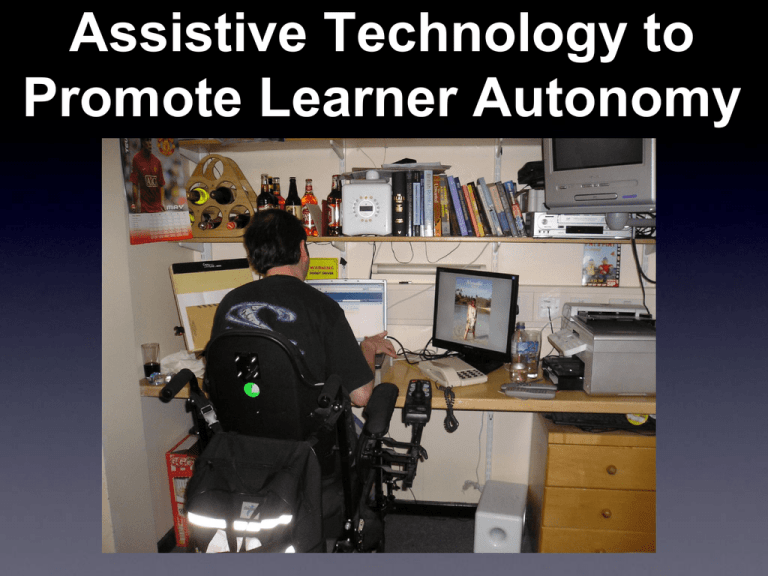
Assistive Technology for Neurodiverse Learners: Unlocking Potential and Empowering Success In today’s diverse educational landscape, it is crucial to recognize and support the unique learning needs of neurodiverse students. Neurodiversity refers to the natural variations in how individuals perceive, process, and learn information. It encompasses conditions such as autism spectrum disorder, attention deficit hyperactivity disorder…
-
Revolutionizing Education: Virtual Schools Empower Students with Special Needs
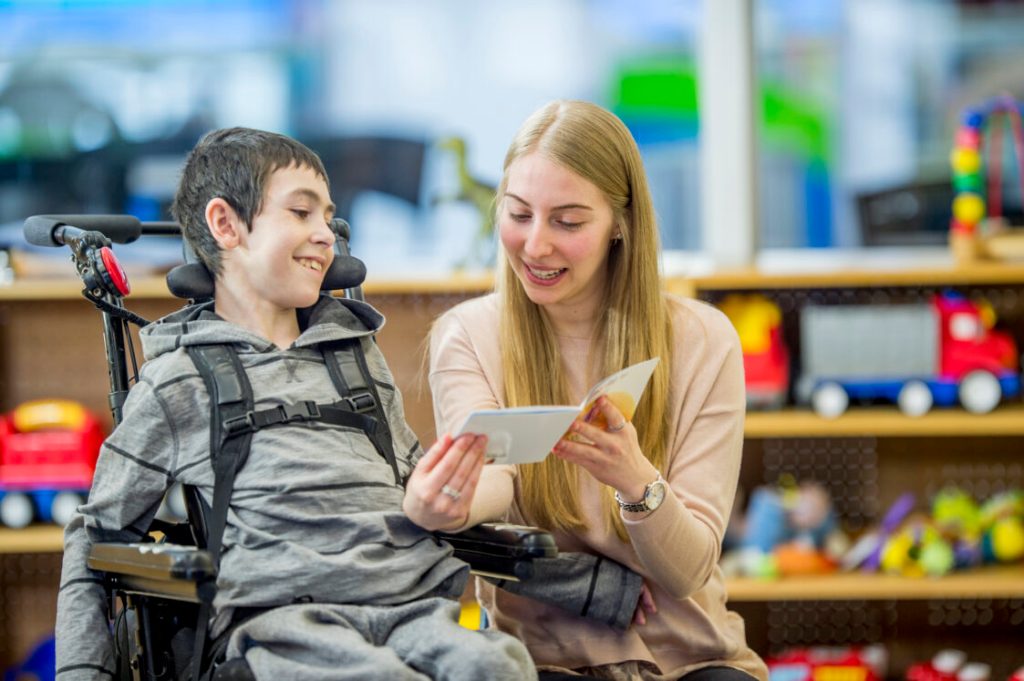
Virtual Schools: Revolutionizing Education for Students with Special Needs Virtual schools have emerged as a game-changer in the world of education, providing innovative and inclusive learning opportunities for students with special needs. These online platforms offer personalized instruction and support, allowing students to thrive academically and gain independence. Let’s delve into the benefits of virtual…
-
Unlocking the Power of Bilingual Education: A Pathway to Cultural Identity and Cognitive Growth
Bilingual education is a topic that has gained significant attention in recent years. It encompasses various aspects, from language maintenance to cognitive development and social-emotional learning. In this article, we will explore some key themes related to bilingual education and discuss their importance in today’s multicultural society. One important aspect of bilingual education is heritage…
-
Preparing for Success: Transition Planning for Students with IEPs

Transition Planning for Students with IEPs Transition planning is an essential component of Individualized Education Programs (IEPs) for students with disabilities. It involves preparing students to successfully transition from school to post-secondary life, which may include further education, employment, and independent living. Transition planning helps students set goals and develop the skills necessary for a…
-
Supporting Every Student’s Unique Needs: Individualized Education Plans (IEPs)
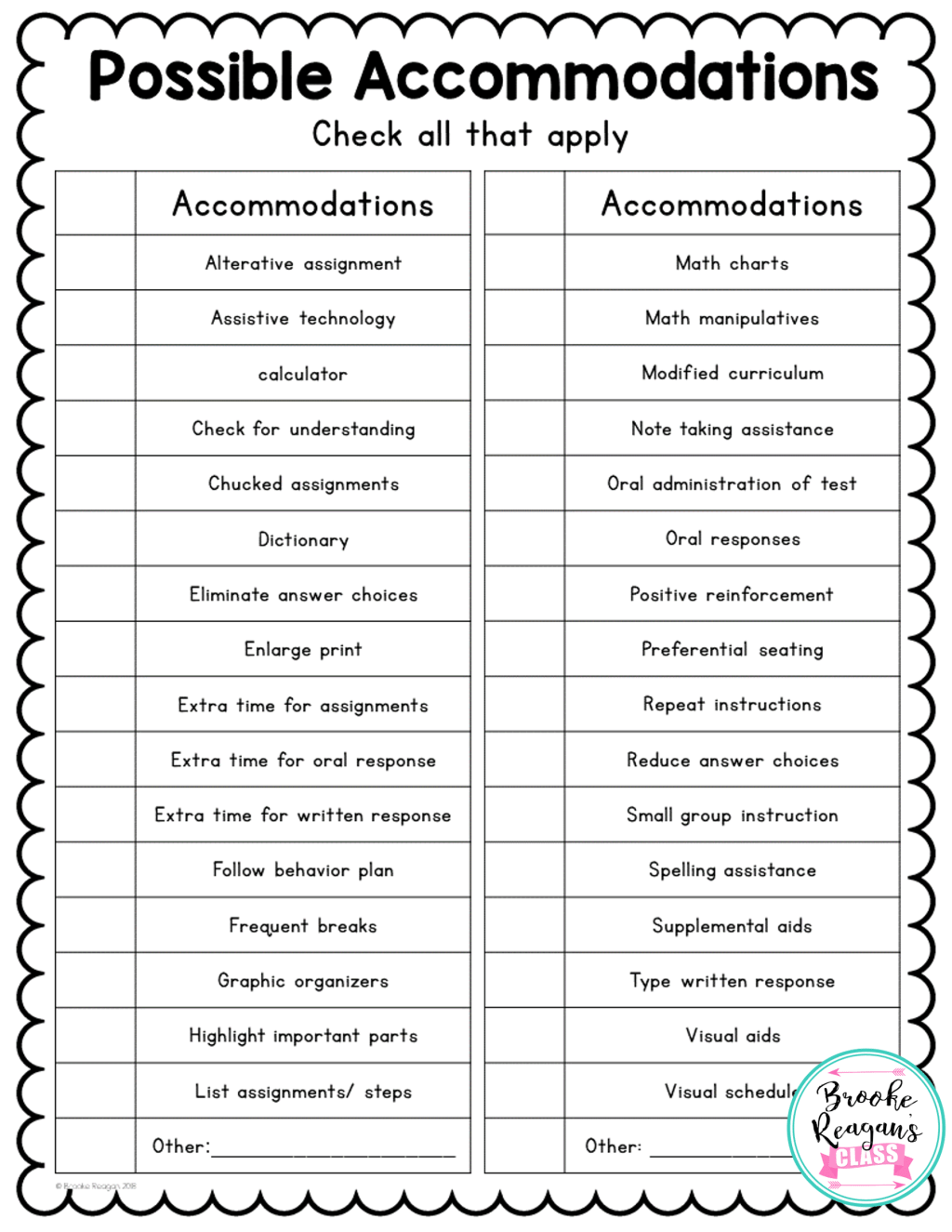
Individualized Education Plans (IEPs): Supporting Every Student’s Unique Needs Education is a fundamental right for all children, regardless of their abilities or disabilities. However, traditional education systems often struggle to cater to the diverse needs of students. This is where Individualized Education Plans (IEPs) come into play, ensuring that every student receives the support and…
-
“Unlocking Potential: Differentiating Instruction and Meeting Unique Needs in IEPs”

Differentiating Instruction in IEPs: Individualized Education Programs (IEPs) are designed to meet the unique needs of students with disabilities and provide them with appropriate educational services. One important aspect of creating effective IEPs is differentiating instruction to ensure that each student’s learning needs are addressed. Differentiation involves modifying instruction, materials, and assessments to meet the…
-
“Empowering Success: Special Education Programs Ensure Inclusive Education for All Students with Disabilities”
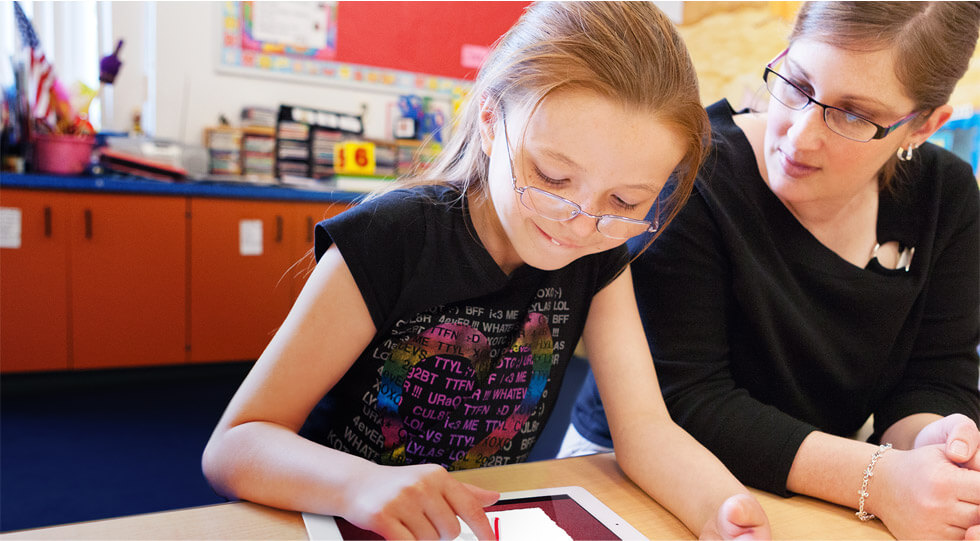
Special education programs are designed to support students with disabilities and provide them with the necessary resources, accommodations, and interventions to ensure they receive a quality education. These programs cater to a wide range of disabilities, including learning disabilities, physical disabilities, intellectual disabilities, emotional or behavioral disorders, and sensory impairments. One of the main goals…
-
Navigating Special Education in the Virtual Classroom: Challenges and Strategies
Virtual schooling has become an increasingly popular option for many students, offering flexible schedules and a personalized learning experience. However, when it comes to special education, there are unique challenges that need to be addressed in order to ensure that all students receive the support they need. In this panel discussion, we will explore the…
-
“Empowering Success: Transition Planning in IEPs for Students with Disabilities”
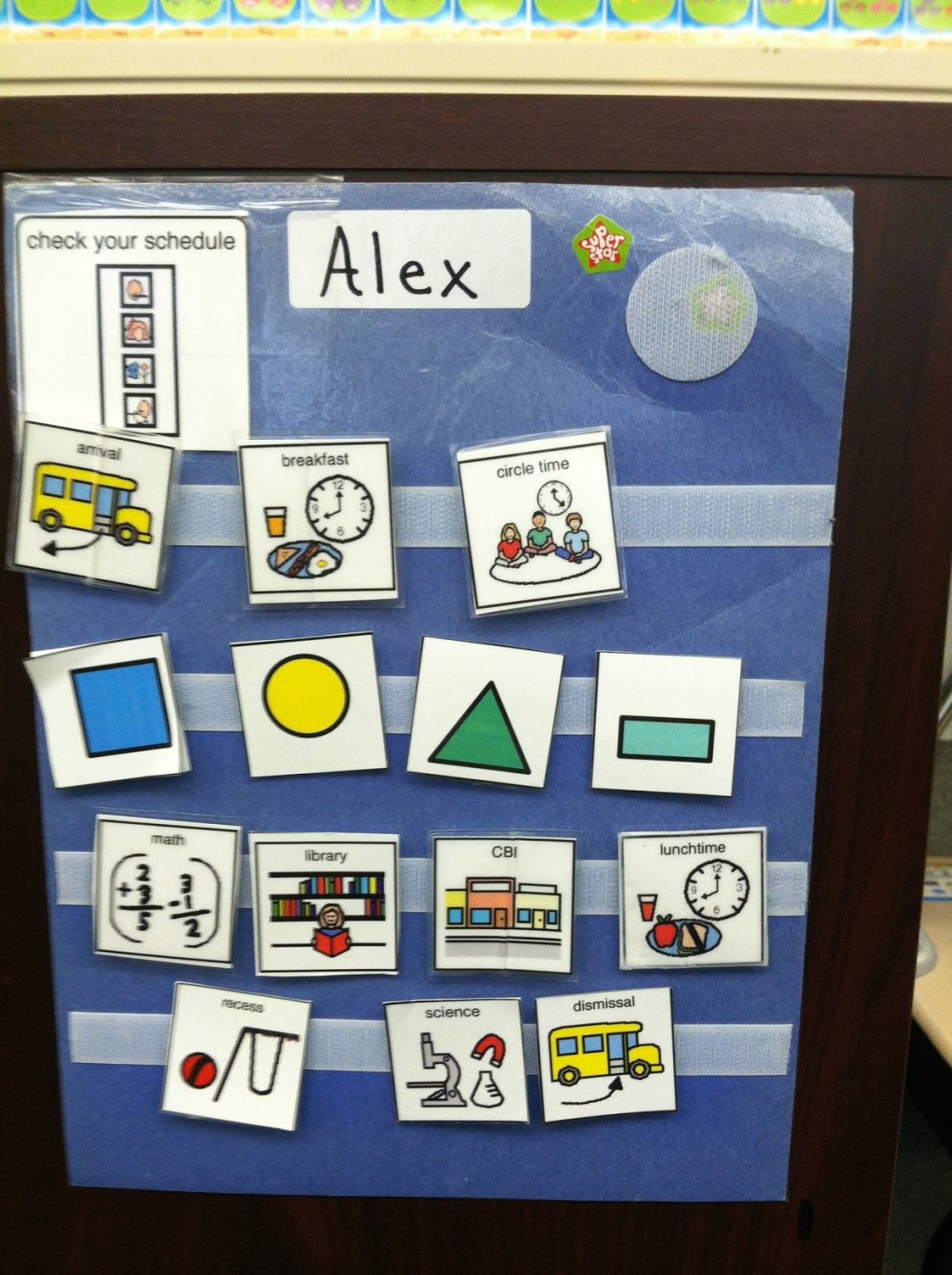
Transition Planning in IEPs Transition planning is a critical component of Individualized Education Programs (IEPs) for students with disabilities. It involves preparing students for life after high school, including post-secondary education, employment, and independent living. Transition planning should begin no later than age 14 and focus on the student’s strengths, interests, preferences, and goals. During…
-
“Maximizing Success: Monitoring and Data-Driven Decisions in IEPs”

Monitoring progress and making data-driven decisions within the context of an IEP: The Individualized Education Program (IEP) is a vital tool in ensuring that students with disabilities receive the necessary support and services to succeed academically. However, developing an effective IEP is only the first step. It is equally important to monitor the student’s progress…
 Alternative Amie