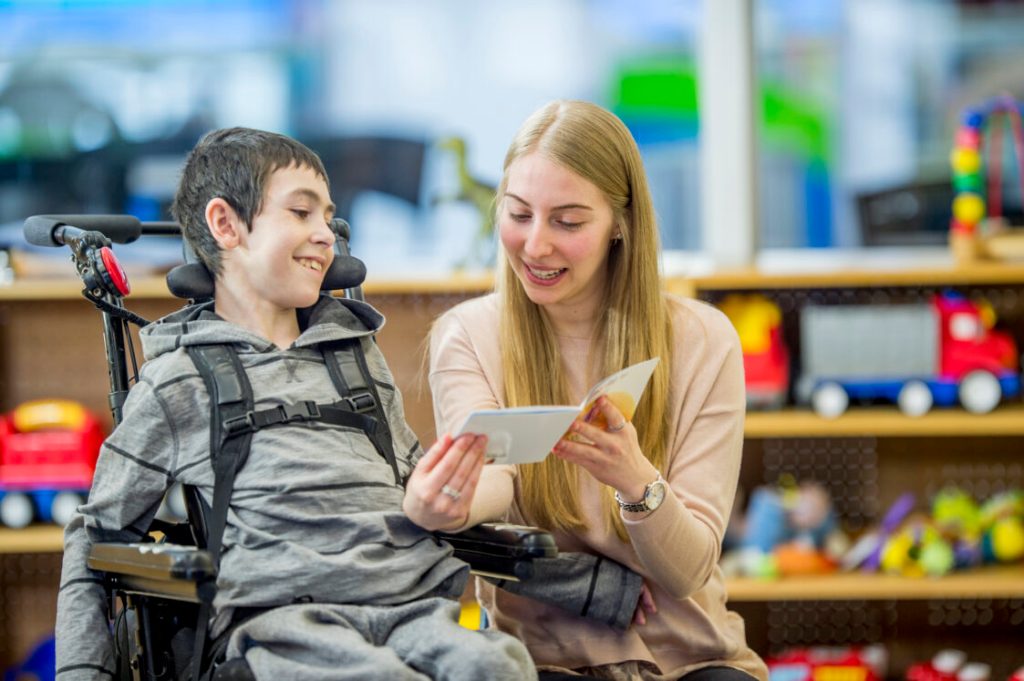
Virtual Schools: Revolutionizing Education for Students with Special Needs
Virtual schools have emerged as a game-changer in the world of education, providing innovative and inclusive learning opportunities for students with special needs. These online platforms offer personalized instruction and support, allowing students to thrive academically and gain independence. Let’s delve into the benefits of virtual schools for students with special needs.
1. Personalized Instruction:
One of the greatest advantages of virtual schools is their ability to tailor curriculum and instruction to meet individual student needs. Students with special needs often require customized learning plans, accommodations, or modifications to succeed academically. Virtual schools provide flexibility in pacing, content delivery, and instructional strategies that can be adjusted according to each student’s unique requirements.
2. Accessible Learning Environment:
For students with physical disabilities or health conditions that limit their mobility, attending traditional brick-and-mortar schools can be challenging. Virtual schools eliminate barriers by providing an accessible learning environment where students can participate from the comfort of their homes using assistive technology devices such as screen readers or alternative input methods. This enables them to engage fully in educational activities without facing physical limitations.
3. Individualized Support Services:
Students with special needs often require additional support services beyond academic instruction. Virtual schools recognize this need and offer various support services such as speech therapy, occupational therapy, counseling, and social skills training through online platforms or partnerships with local service providers. This holistic approach ensures that students receive comprehensive care tailored to their specific needs.
4. Collaboration between Professionals:
In virtual school settings, professionals from different disciplines collaborate closely to develop individualized education plans (IEPs) for each student requiring special education services. Teachers work collaboratively with therapists, psychologists, and other specialists to ensure that all aspects of a student’s development are addressed effectively.
5. Parental Involvement:
Virtual schooling promotes active parental involvement in a child’s education journey like never before possible in traditional classrooms due to distance or time constraints. Parents can actively participate in their child’s learning, access progress reports, communicate with teachers easily, and collaborate on developing personalized strategies for academic success.
6. Community Support:
Virtual schools often form partnerships with local community organizations, support groups, and specialized resources to offer a comprehensive network of assistance for students with special needs. These collaborations provide families with information about available services and connect them with other individuals facing similar challenges, fostering a sense of belonging and support.
7. Socialization Opportunities:
Concerns regarding socialization are frequently raised when discussing virtual schools for students with special needs. However, these platforms are designed to address this issue by providing opportunities for interaction through virtual classrooms, discussion boards, online clubs or interest groups catered specifically to the unique interests of students. Virtual school communities foster connections among peers who may share similar experiences or challenges.
8. Professional Development for Teachers:
Virtual schools prioritize teacher training and professional development specific to special education requirements. Educators receive ongoing support and guidance on using assistive technology tools effectively, implementing differentiated instruction techniques, understanding individual student needs better, and incorporating evidence-based practices into their teaching strategies.
9. Bridging the Achievement Gap:
One significant advantage of virtual schools is their potential to bridge the achievement gap faced by students with special needs compared to their neurotypical peers in traditional educational settings. Through customized curriculum options and tailored instruction plans that address individual strengths and weaknesses comprehensively, virtual schools empower students to succeed academically at their own pace.
10. Future Possibilities:
As technology continues to evolve rapidly in the education sector, so does the potential for virtual schools catering specifically to students with special needs. Emerging technologies like augmented reality (AR) or virtual reality (VR) hold promise in creating immersive learning experiences that can enhance engagement and motivation while addressing individualized learning goals effectively.
In conclusion,
Virtual schooling has revolutionized education by offering inclusive opportunities for students with special needs. These platforms provide personalized instruction, accessible learning environments, individualized support services, and opportunities for collaboration between professionals and parents. Virtual schools also address socialization concerns by promoting peer interaction within online communities. With ongoing teacher training and the potential for emerging technologies, virtual schools are poised to continue making a significant impact on the education of students with special needs.
 Alternative Amie
Leave a comment