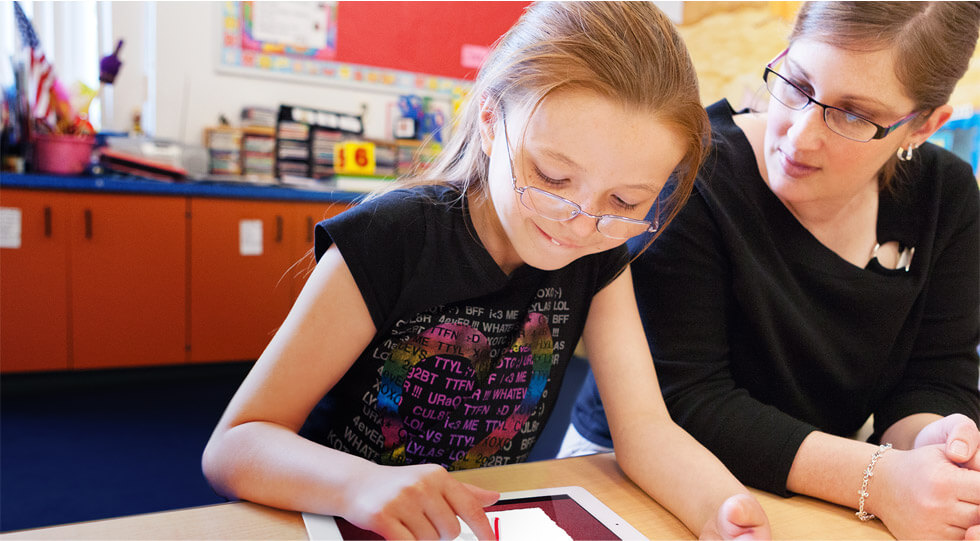
Special education programs are designed to support students with disabilities and provide them with the necessary resources, accommodations, and interventions to ensure they receive a quality education. These programs cater to a wide range of disabilities, including learning disabilities, physical disabilities, intellectual disabilities, emotional or behavioral disorders, and sensory impairments.
One of the main goals of special education programs is to create an inclusive learning environment where all students can thrive academically and socially. This is achieved through individualized education plans (IEPs) that outline specific goals and accommodations for each student based on their unique needs. The IEP serves as a roadmap for teachers, parents, and other professionals involved in the student’s education journey.
In addition to individualized instruction and support within mainstream classrooms, some students may require specialized services provided by trained professionals. These services can include speech therapy, occupational therapy, physical therapy, counseling services, assistive technology devices or software, or specialized instructional techniques tailored to the student’s needs.
Collaboration among educators is crucial in special education programs. Teachers work closely with special education coordinators or resource specialists who provide guidance on curriculum modifications and adaptations needed for students with different abilities. They also collaborate with related service providers such as speech therapists or occupational therapists to ensure seamless integration of therapies into the student’s daily routine.
Special education programs emphasize inclusion whenever possible but recognize that some students may benefit from more intensive intervention in separate classrooms or specialized schools. In these cases, self-contained classrooms are created where smaller groups of students receive focused attention from teachers who are specifically trained in addressing their unique needs.
The success of special education programs heavily relies on parental involvement. Parents play an active role in developing their child’s IEPs and advocating for appropriate accommodations at school. They also communicate regularly with teachers and attend meetings to discuss progress and make any necessary adjustments along the way.
Transition planning is another critical component of special education programs. As students approach adulthood after high school, transition plans help them navigate the shift from school to post-school life. These plans may include identifying vocational training programs, college opportunities, or community resources that can support their continued growth and independence.
Lastly, it is important to note that special education programs are protected by federal laws such as the Individuals with Disabilities Education Act (IDEA) in the United States. This legislation ensures that students with disabilities receive a free appropriate public education in the least restrictive environment possible.
In conclusion, special education programs aim to provide individualized support and accommodations for students with disabilities to ensure they have equal access to education. These programs promote inclusion whenever possible but also recognize the need for specialized services or separate classrooms when necessary. Collaboration among educators, parental involvement, and transition planning are all crucial components of successful special education programs.
 Alternative Amie
Leave a comment