Tag: real-world problems.
-
Empowering Students: Fostering Critical Thinking Skills in Alternative Education Settings
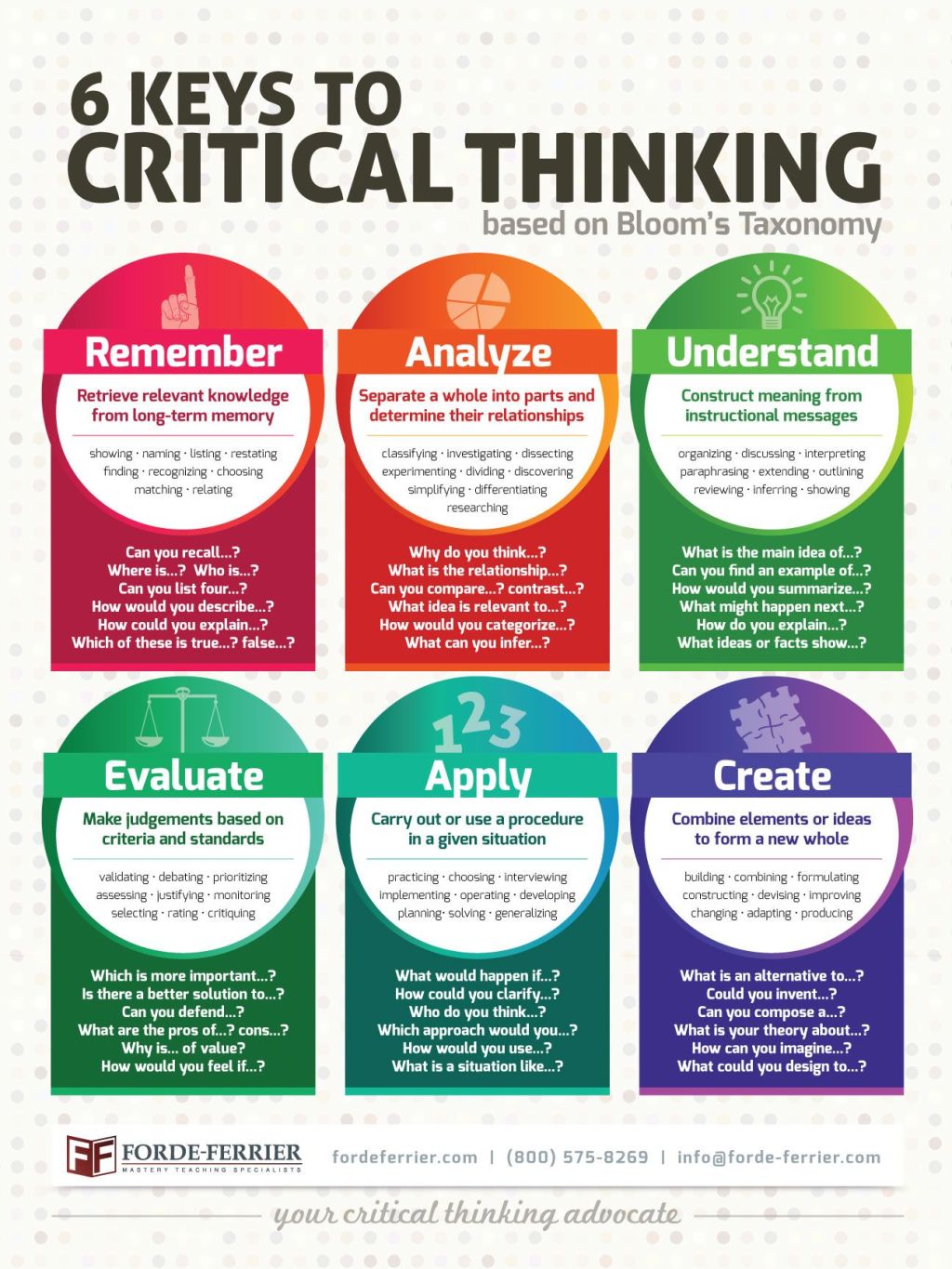
Critical thinking skills are essential for students to develop in order to navigate the complexities of the world and make informed decisions. In alternative schooling and education settings, fostering critical thinking abilities is often a key focus due to the emphasis on independent learning and creative problem-solving. One way to promote critical thinking skills in…
-
Unlocking Success: The Power of Project-Based Learning in Alternative Education
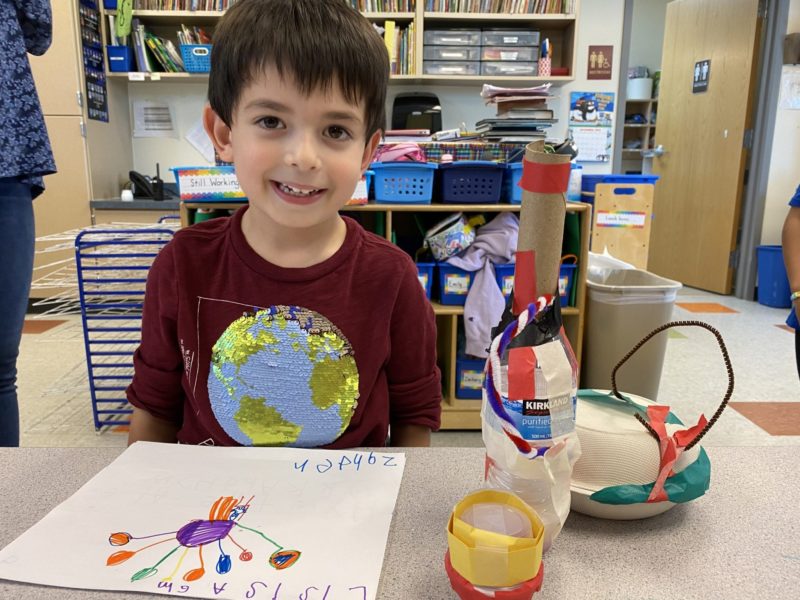
Project-based learning (PBL) has become a popular educational approach in alternative schooling and education systems. This method focuses on students actively exploring real-world problems and challenges, leading to deeper understanding and retention of knowledge compared to traditional lecture-based learning. One of the key benefits of PBL is that it promotes student engagement by making learning…
-
Empowering Student Success Through Problem-Based Learning
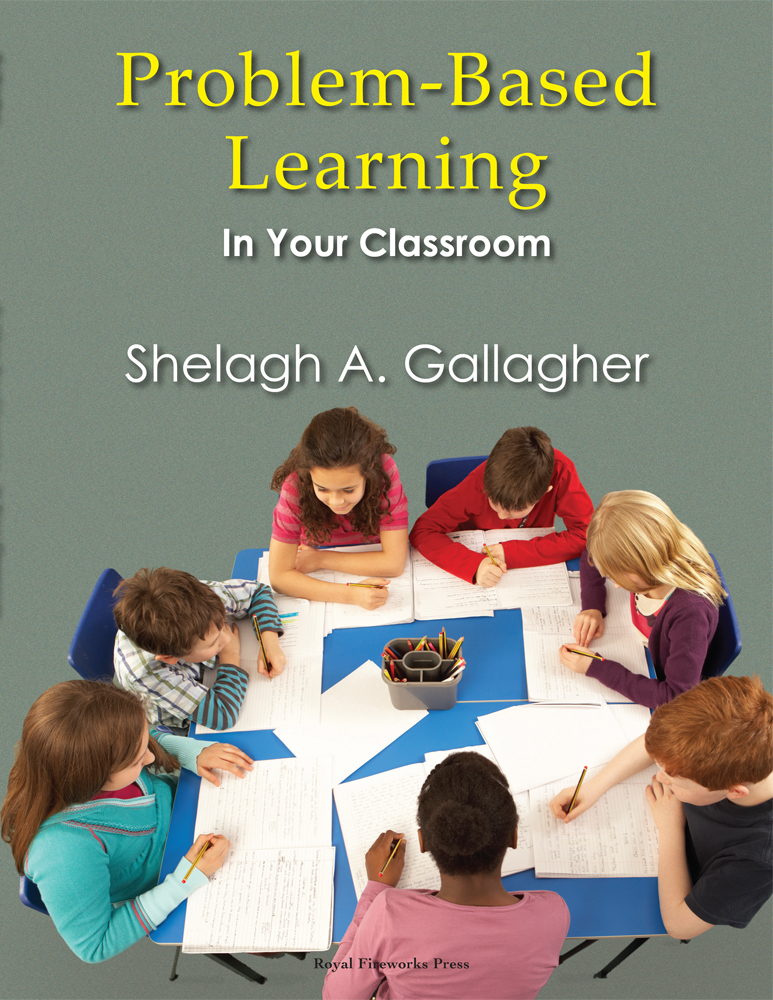
Problem-based learning (PBL) is a student-centered pedagogy that encourages active learning through the exploration and solution of complex, real-world problems. It is an educational approach that empowers students to develop critical thinking skills, collaborative abilities, and practical knowledge by engaging them in authentic challenges. Originating from medical education in the 1960s, PBL has since expanded…
-
Empowering Students Through Project-Based Learning: A Path to Success
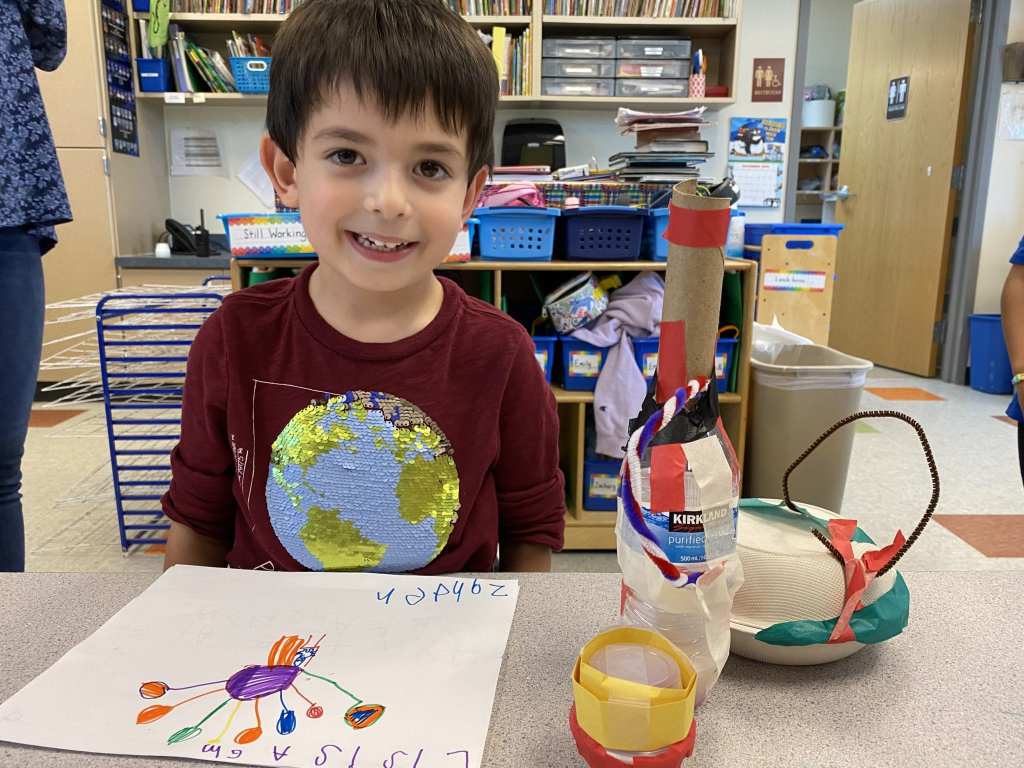
Project-based learning (PBL) is a student-centered teaching method that empowers students to actively engage in exploring real-world problems and challenges. This approach not only enhances students’ critical thinking skills but also promotes creativity, collaboration, and communication. By working on projects that have real-life relevance, students are motivated to delve deeper into the subject matter and…
-
“Unlocking the Future: The Power of STEAM Education in Fostering Curiosity, Critical Thinking, and Collaboration”
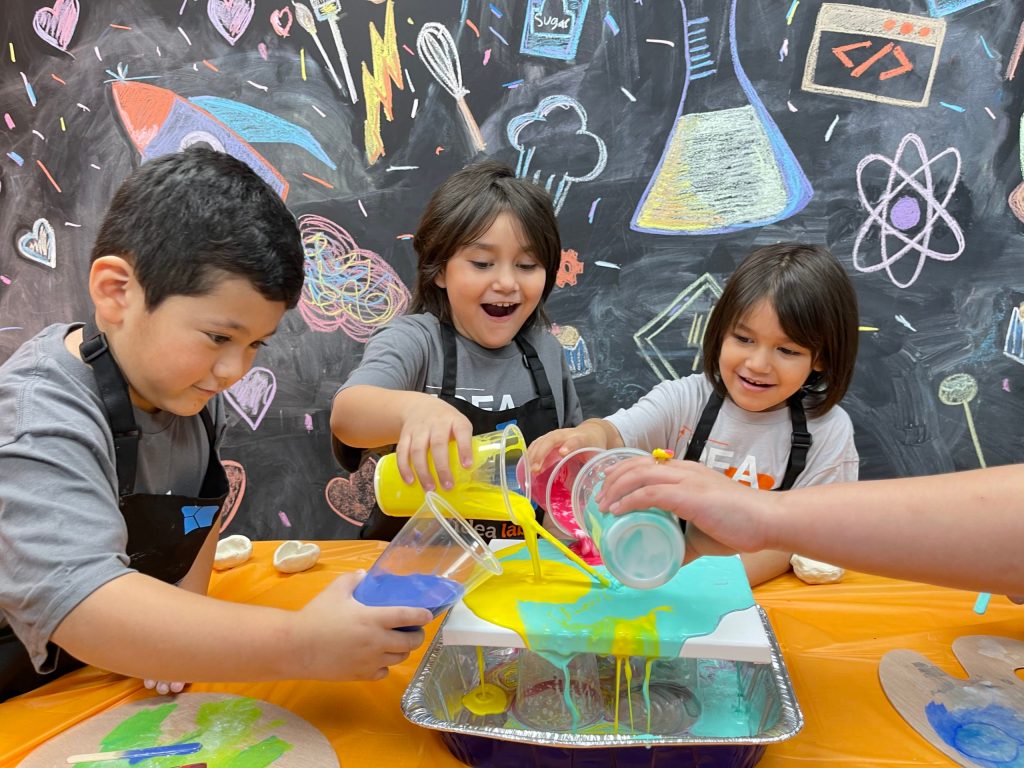
In today’s ever-evolving world, the importance of STEAM (Science, Technology, Engineering, Arts, and Mathematics) education cannot be overstated. This interdisciplinary approach to learning is designed to prepare students for the challenges and opportunities of the 21st century. By integrating these subjects into a cohesive curriculum, STEAM education encourages critical thinking skills, problem-solving abilities, creativity, innovation,…
-
“Project-Based Learning: Igniting Passion, Collaboration, and Critical Thinking in Education”
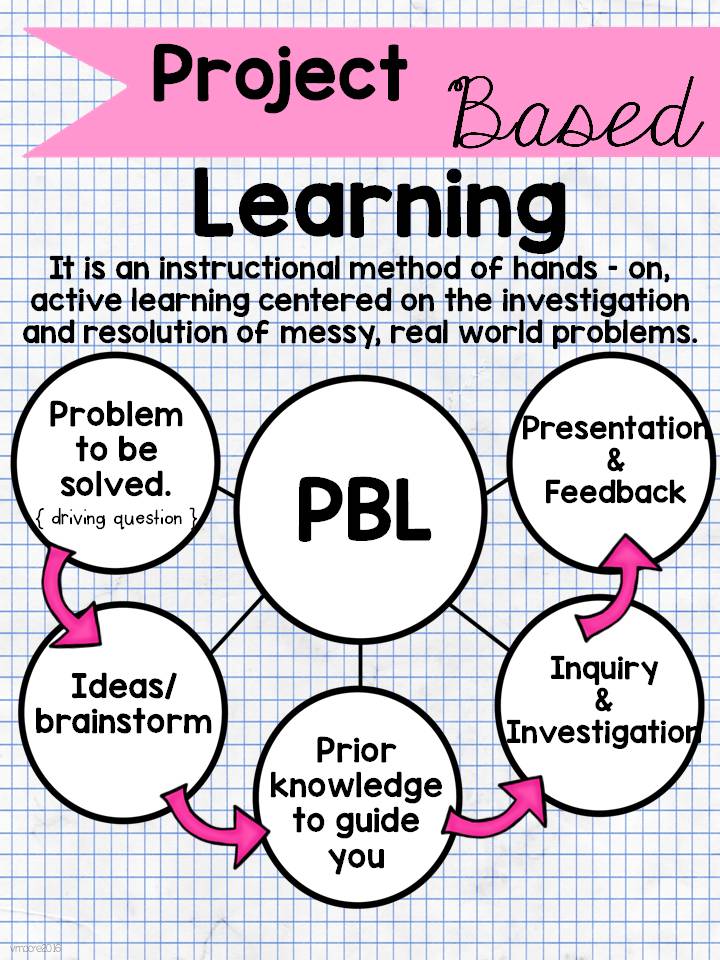
Project-based learning (PBL) is an innovative educational approach that promotes active and hands-on learning experiences for students. Unlike traditional classroom settings, where students passively receive information, PBL encourages them to actively engage in problem-solving, critical thinking, collaboration, and creativity. In a project-based learning environment, students work on long-term projects that are designed to address real-world…
-
Unlocking Success: Developing Critical Thinking and Problem-Solving Skills in Alternative Education
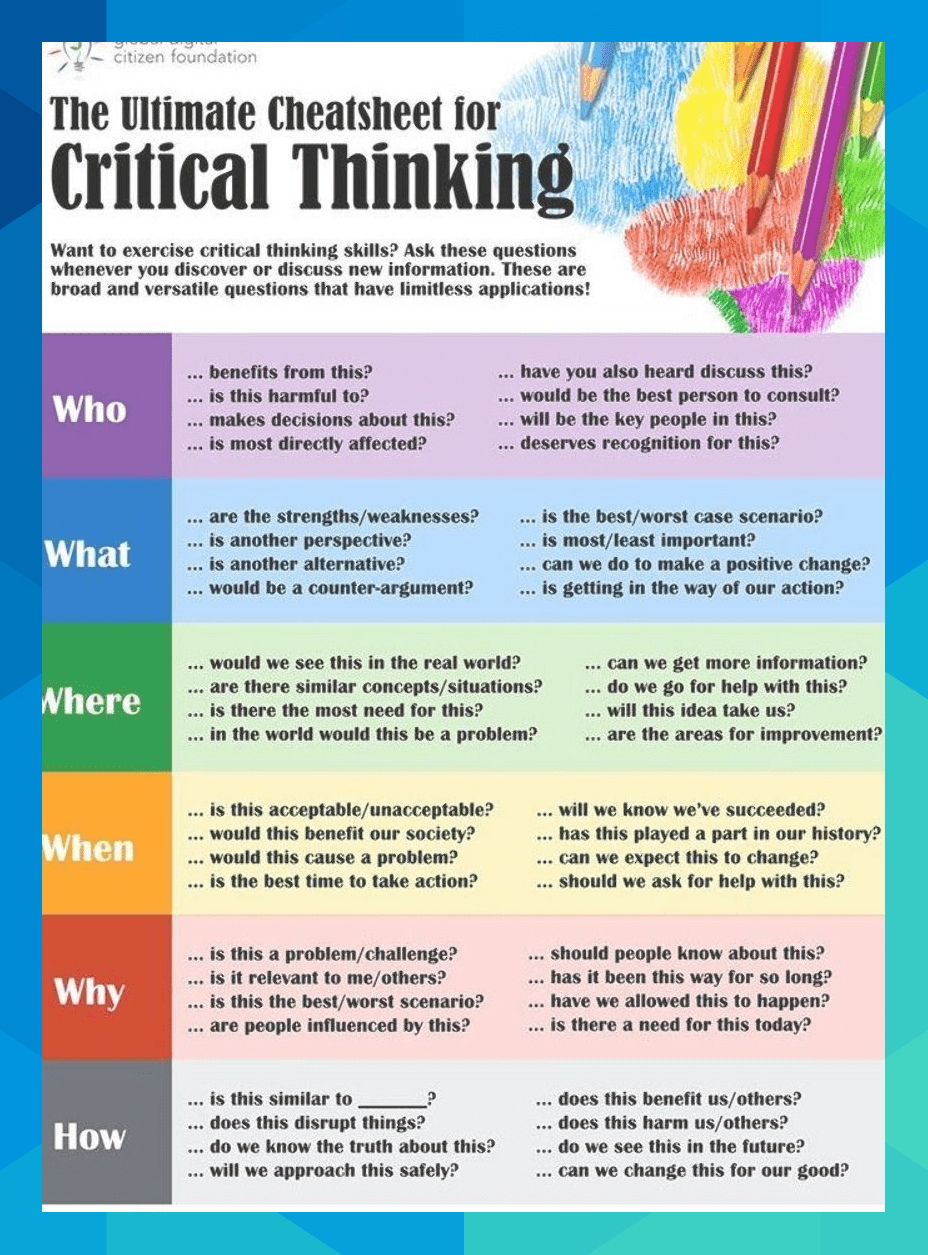
Critical thinking and problem-solving skills are essential for success in today’s rapidly changing world. These skills allow individuals to analyze information, evaluate evidence, and make informed decisions. They are especially important in alternative schooling and education where students are encouraged to think outside the box and explore unconventional learning methods. So how can we develop…
-
Empowering the Next Generation of Innovators: The Power of STEM Education
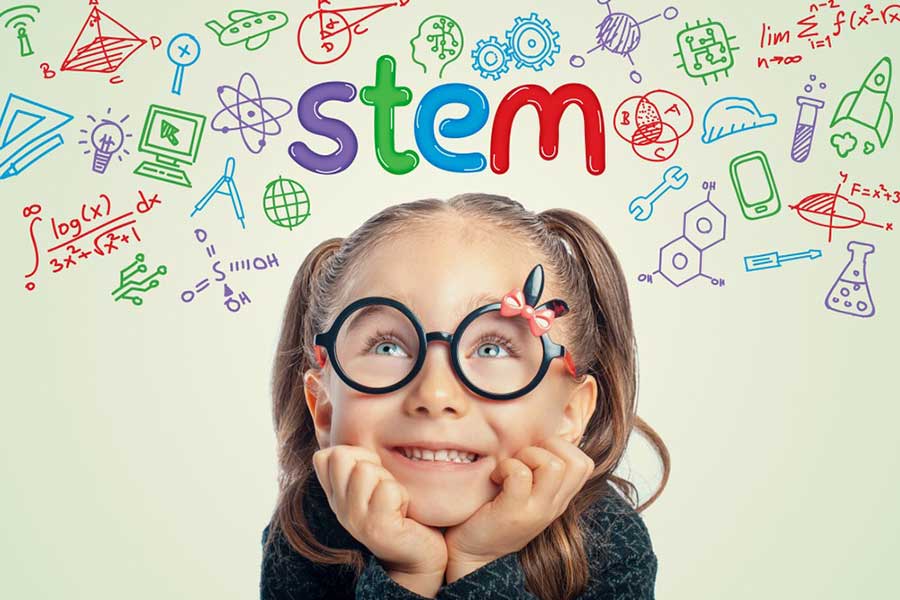
STEM Education: Empowering the Next Generation of Innovators In today’s fast-paced world, it is crucial for students to develop skills that will equip them for the future. STEM education, which stands for Science, Technology, Engineering, and Mathematics, has emerged as a powerful approach to foster critical thinking, problem-solving abilities, and innovation among students. By integrating…
-
“Project-Based Learning: Engaging, Collaborative, and Critical for Student Success!”
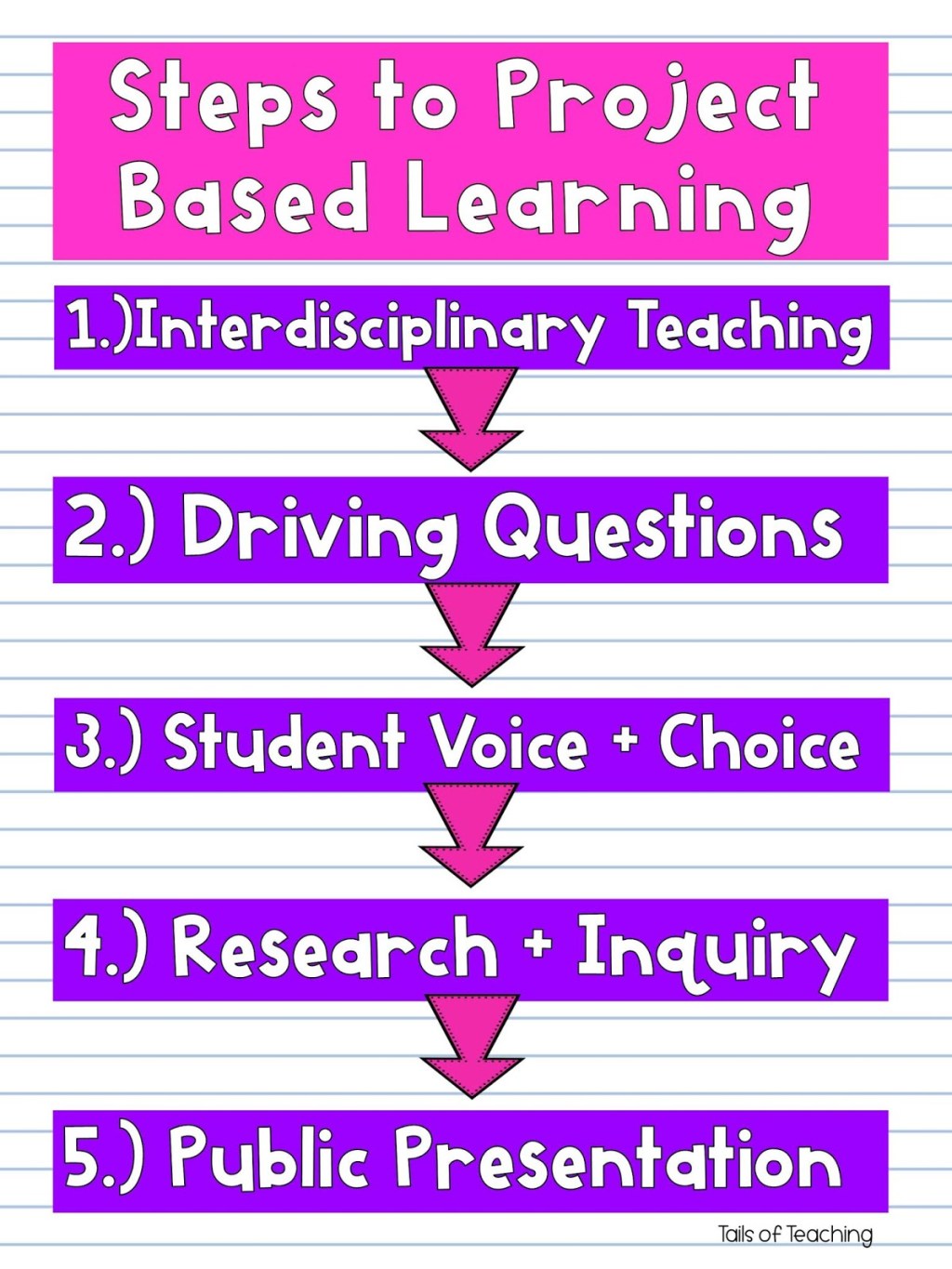
Project-based learning (PBL) is an innovative approach to education that emphasizes student engagement, collaboration, and critical thinking skills. In PBL, students work on projects that are relevant to real-world problems or scenarios. One of the key benefits of project-based learning is its ability to enhance students’ understanding and retention of knowledge. By actively participating in…
-
“Empowering Change: Project-Based Learning and Social Justice in STEM Education”
Project-Based Learning in STEM Education STEM education, which stands for Science, Technology, Engineering, and Mathematics, has gained significant attention in recent years. This approach to education emphasizes the integration of these four disciplines to foster critical thinking, problem-solving skills, and innovation among students. One effective method used in STEM education is project-based learning (PBL), where…
 Alternative Amie