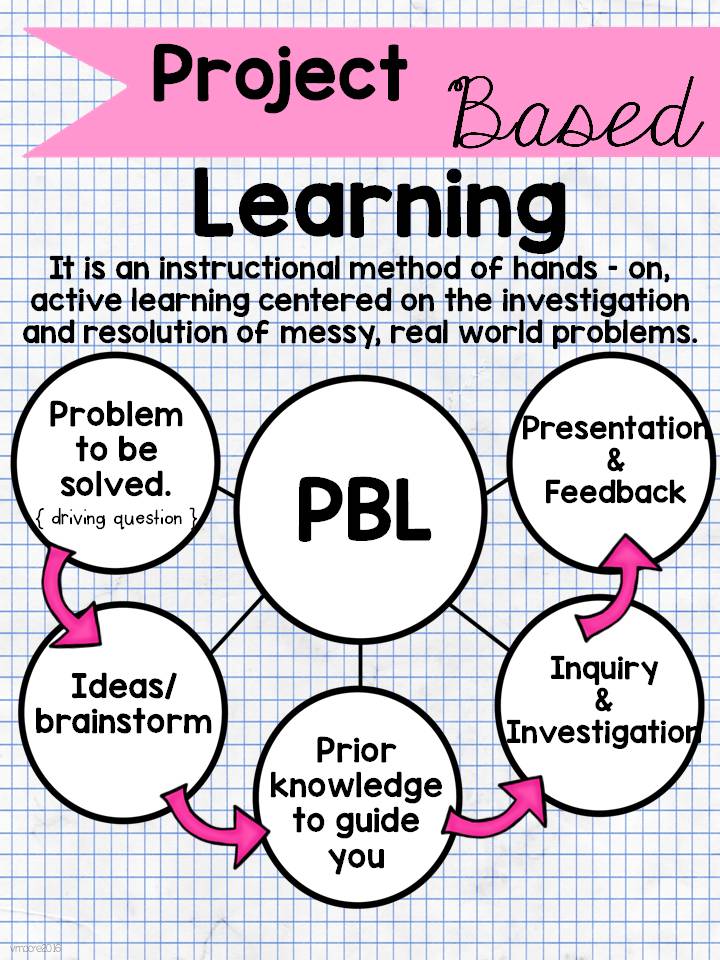
Project-based learning (PBL) is an innovative educational approach that promotes active and hands-on learning experiences for students. Unlike traditional classroom settings, where students passively receive information, PBL encourages them to actively engage in problem-solving, critical thinking, collaboration, and creativity.
In a project-based learning environment, students work on long-term projects that are designed to address real-world problems or challenges. These projects are often interdisciplinary in nature and require students to apply knowledge from various subjects such as math, science, language arts, and social studies. Through these projects, students develop valuable skills like research skills, communication skills, time management skills, and the ability to work effectively in teams.
One of the key benefits of project-based learning is its ability to make education more meaningful and relevant for students. By working on projects that relate to their interests and passions or tackle real-life issues they care about deeply, students become more engaged in their own learning journey. They see the practical applications of what they are studying and gain a deeper understanding of how knowledge can be applied outside the classroom.
PBL also fosters independence and self-direction among learners. As they take ownership of their projects from start to finish – identifying problems or questions related to the topic at hand; conducting research; brainstorming ideas; planning tasks; executing plans; seeking feedback; revising work – students become active agents in their own education.
Furthermore, project-based learning helps develop essential 21st-century skills that are highly valued by employers today. In addition to subject-specific knowledge acquisition through deep inquiry processes into topics of interest or relevance for learners’ contexts or communities,
Collaboration is a crucial aspect of PBL since it reflects how professionals typically work together in real-world settings. Students learn how to effectively communicate with others while respecting different perspectives within a team setting.
Critical thinking is another skill honed through project-based learning as it requires students to analyze information critically before making decisions or drawing conclusions. They learn to evaluate sources, consider multiple perspectives, and think creatively to solve problems.
Creativity is also nurtured in PBL environments as students are encouraged to think outside the box, find unique solutions, and express their ideas through various mediums such as presentations, videos, or prototypes.
In conclusion, project-based learning offers a transformative educational experience for students by engaging them in authentic and meaningful activities. By focusing on real-world problems and challenges while integrating different subjects and fostering collaboration, critical thinking, and creativity skills among learners. As alternative schooling options become more popular, project-based learning proves to be an effective approach that prepares students for success in the 21st century.
 Alternative Amie
Leave a comment