Tag: project-based learning
-
Experiential Learning: The Hands-On Approach to Education
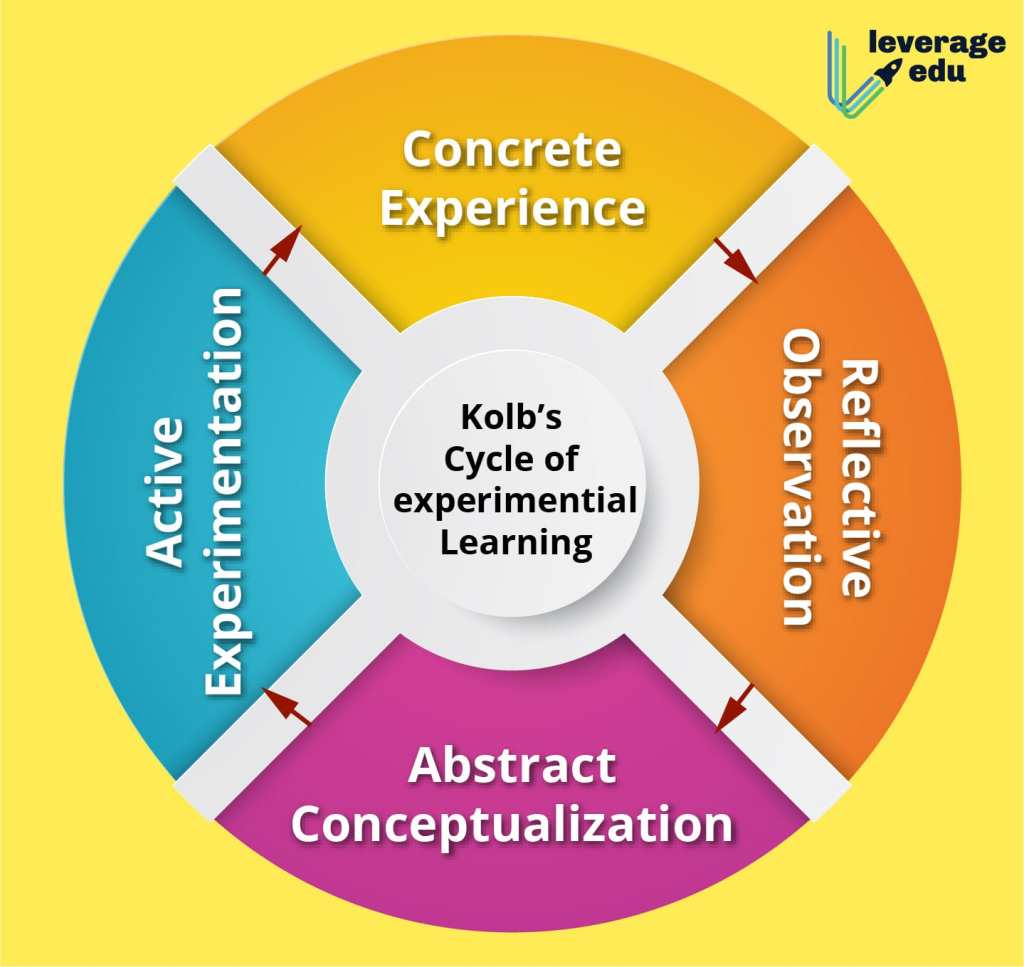
Experiential learning is an educational approach that focuses on hands-on experiences and practical application of knowledge. It is a student-centered approach that emphasizes active participation, reflection, and collaboration. Experiential learning has been gaining popularity in recent years as educators seek to provide students with more engaging and meaningful learning experiences. Studies have shown that experiential…
-
“Learning by Doing: How Project-Based Education is Transforming Rural Schools”

Project-based learning is a teaching approach that encourages students to learn by doing. Rather than just memorizing facts and figures, students are given real-world problems to solve, which helps them develop critical thinking skills and deep understanding of the subject matter. In rural schools, project-based learning can be particularly effective as it allows students to…
-
Collaborative Learning: The Key to Success in Competency-Based Education

Collaborative learning opportunities in competency-based education settings are an important aspect of a student’s educational journey. Competency-based education focuses on the mastery of skills and knowledge rather than time spent in a classroom, making collaborative learning even more important as students need to work together to achieve their goals. One example of collaboration in competency-based…
-
Beyond Standardized Testing: Exploring Alternative Methods for Assessing Student Learning

Standardized testing has long been a controversial topic in education. While some argue that it provides an objective measure of student performance, others believe that it places too much emphasis on test-taking skills and doesn’t accurately reflect a student’s overall academic abilities. This has led to the exploration of alternative methods for assessing student learning.…
-
Interest-Based Curriculum: Empowering Students through Personalized Learning and Collaboration.

In recent years, there has been a growing interest in alternative forms of education that break away from conventional teaching methods. One such approach is the Interest-based curriculum, which places emphasis on student choice and empowerment. This approach to learning recognizes that students have unique interests and passions, and should be given opportunities to explore…
-
“Engage, Collaborate, and Learn: The Benefits of Project-Based Learning”
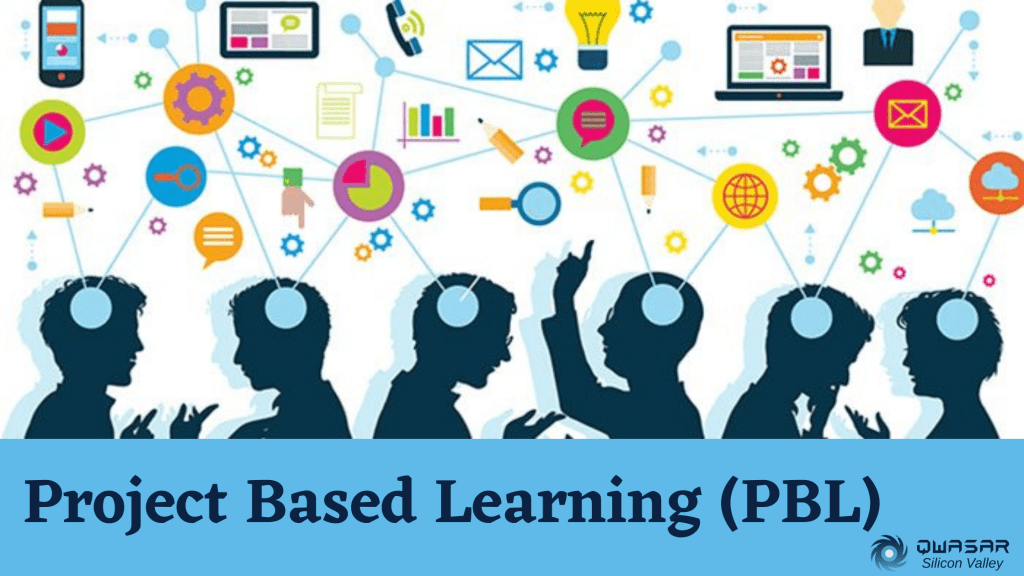
Project-based learning (PBL) is an educational approach that takes a student-centered and hands-on approach to teaching and learning. It allows students to engage in real-world problems or challenges, apply knowledge from multiple subject areas, and develop critical thinking, problem-solving, collaboration, communication, and self-management skills. In this post, we’ll explore what PBL is all about, how…
-
Unleashing the Power of Project-Based Learning: An Innovative Approach to Education
Project-based learning (PBL) is an innovative approach to education that has gained popularity in recent years. Unlike traditional instruction, which relies on lectures and memorization, PBL puts students at the center of their own learning experience. By engaging in real-world projects that are relevant to their interests and passions, students develop critical thinking skills, problem-solving…
-
Alternative Education: Socialization Beyond the Classroom

Socialization in Alternative Education Settings Alternative education settings have become increasingly popular over the years, as parents and educators seek out different approaches to traditional schooling. While alternative schools often differ in their academic philosophies and teaching methods, they all share a common focus on providing students with an individualized learning experience. One of the…
-
Project-Based Learning: Say Goodbye to Worksheets and Hello to Real-World Problem Solving
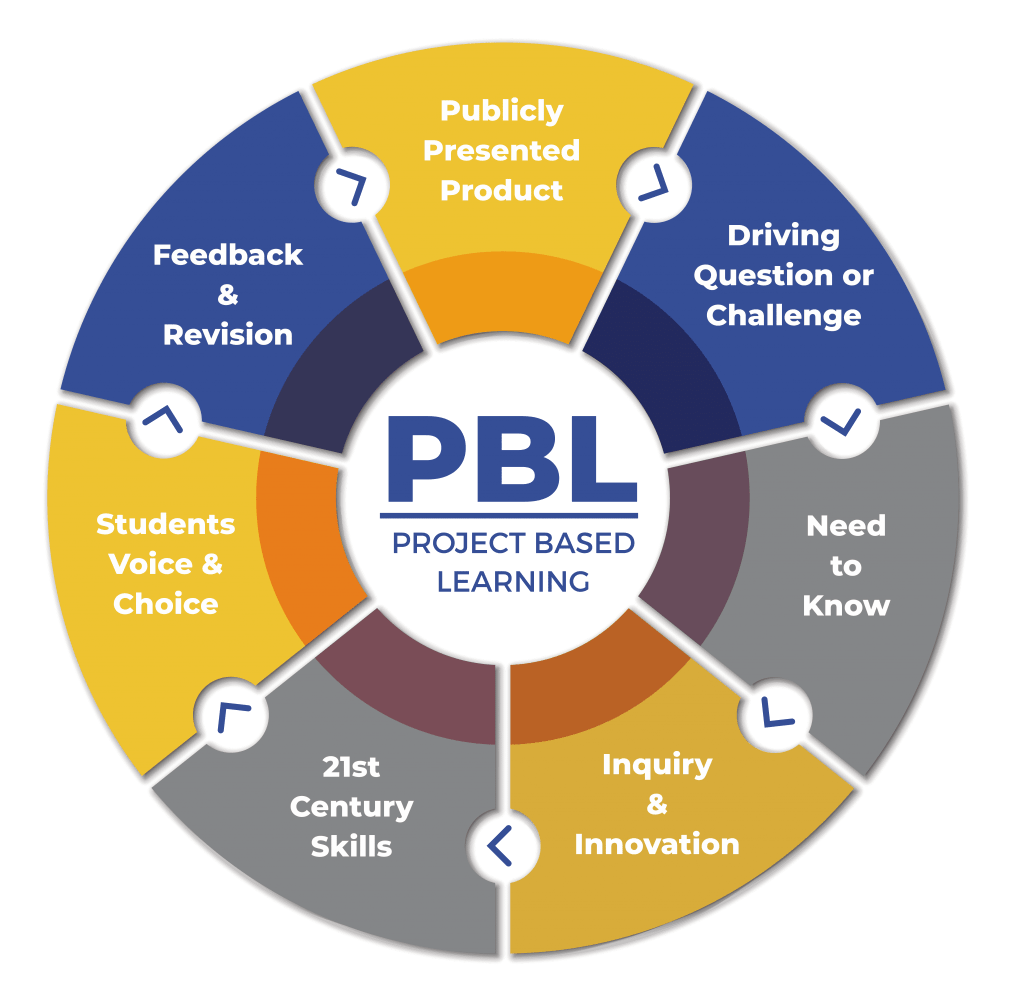
Project-Based Learning: Because Worksheets are so 20th Century Remember back in school when you would have to sit through long lectures and take notes? Then, you’d go home with a stack of worksheets and pages to read, only to repeat the process the next day. Yeah, we don’t miss those days either. Luckily, there is…
-
“Unlocking Potential: How Alternative Schools Foster Talent Development Through Personalized Learning and Mentorship Programs”
Talent development is an essential aspect of education that allows students to maximize their potential and achieve success in various fields. Alternative schooling and education play a critical role in talent development by providing personalized learning experiences that cater to the unique needs of each student. One key strategy that alternative schools use for talent…
 Alternative Amie