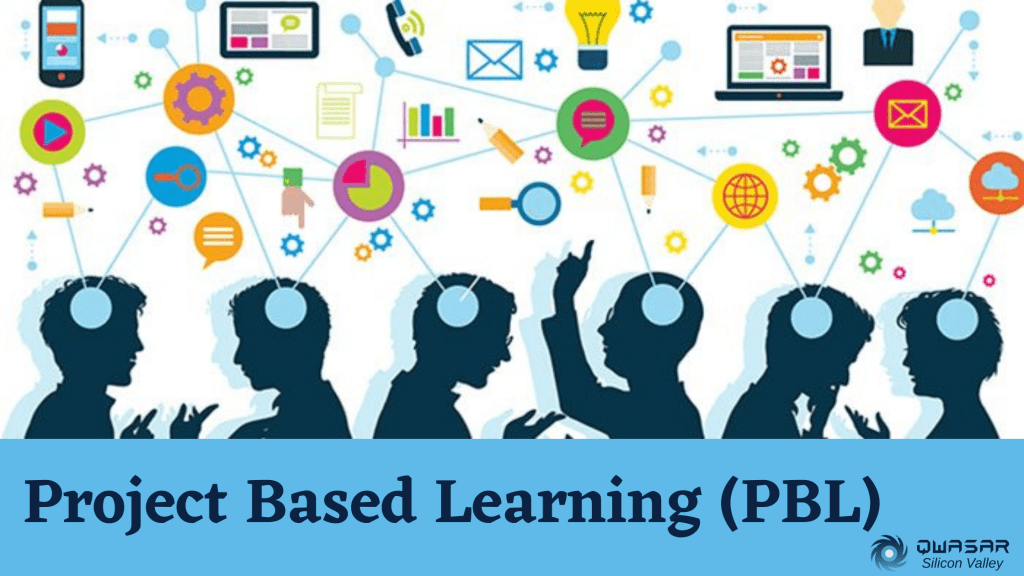
Project-based learning (PBL) is an educational approach that takes a student-centered and hands-on approach to teaching and learning. It allows students to engage in real-world problems or challenges, apply knowledge from multiple subject areas, and develop critical thinking, problem-solving, collaboration, communication, and self-management skills. In this post, we’ll explore what PBL is all about, how it works in practice, the benefits of using this approach to education, and some examples of successful implementation.
What Is Project-Based Learning?
Project-based learning is an instructional method that involves students working on a project over an extended period of time – days or weeks – that engages them in solving a real-world problem or answering a complex question. Students are given the opportunity to explore different aspects of the problem/question by conducting research, analyzing data from various sources such as books, videos, websites or interviews with experts; collaborating with their peers; presenting their findings; and reflecting on their learning process.
In contrast to traditional classroom instruction where teachers deliver content through lectures and students memorize facts for tests or exams without necessarily understanding how it applies in the real world context , PBL emphasizes active engagement in authentic tasks that are meaningful and relevant to learners’ lives outside school walls.
How Does Project-Based Learning Work?
To implement PBL effectively requires careful planning by educators who must design projects based on specific goals tied to curriculum standards while also ensuring they’re aligned with students’ interests. The following steps can be used as guidelines:
1. Identify goals: determine what you want your students to achieve through project work.
2. Select topics: choose topics that relate directly to curricular standards but also pique student interest.
3. Plan out activities: map out activities for each stage of the project cycle – inquiry/Researching questions/problem identification; Planning/designing solutions ; Creating solutions /prototyping/building models ; Evaluating/refining designs/solutions
4. Facilitate student collaboration: create opportunities for peer-to-peer interactions through group work, class discussions, and feedback sessions.
5. Encourage self-reflection: students should be encouraged to reflect on their learning experience throughout the project cycle by keeping journals or participating in reflective discussions.
Benefits of Project-Based Learning
There are many benefits that come with using PBL as an educational approach. Some of these include:
1. Active Student Engagement – Students are more engaged when they’re working on projects than when they’re listening to lectures or reading textbooks.
2. Improved Critical Thinking Skills – Students learn how to think critically to solve real-world problems, analyze data and make decisions based on evidence.
3. Enhanced Collaborative Skills – Students work in teams, sharing ideas and skills while building relationships that can last beyond the project’s end date.
4. Mastery of Content Knowledge – Projects require students to integrate knowledge from different subject areas into a unified whole resulting in deep understanding of concepts .
5. Real-World Relevance – In PBL settings, students tackle issues important for their communities which boost motivation levels as they see the tangible impact of solutions developed.
PBL Examples
There are various examples of successful implementation of project-based learning across different grade levels and disciplines; here is a sampling:
1) Grade 12 English Language Arts (ELA) Project – In this project, students explore social justice issues such as immigration policies or police brutality through literature analysis and research papers incorporating viewpoints from multiple stakeholders including community leaders and government officials
2) Elementary Math/Science Project – After studying about plants’ life cycles in science class ,students design experiments testing factors affecting plant growth like soil type or water quality before presenting findings at school fair
3) Middle School History/Social Studies Project – Using primary sources like newspapers articles or interviews with family members who lived during specific historical periods such as World War II ;students investigate events leading up to wars/conflicts while examining causes, effects, and ethical considerations
Conclusion
Project-based learning is an effective approach to education that focuses on student engagement in real-world problems or challenges. It enhances students’ critical thinking skills, collaboration abilities, content knowledge mastery while providing a relevant context for applying concepts learned in class. Educators should plan carefully when designing projects to ensure they’re aligned with curriculum standards and students’ interests. When implemented properly,pbl can lead to deeper learning experiences that prepare learners for success beyond the classroom walls.
 Alternative Amie
Leave a comment