Tag: problem-solving skills
-
Unlocking the Benefits of Internships: A Valuable Learning Experience

Internships: A Valuable Learning Experience In today’s competitive job market, internships have become a necessary stepping stone for students and recent graduates to gain valuable work experience. The benefits of participating in an internship are numerous, ranging from hands-on learning opportunities to building professional networks. Alternative schooling and education websites often highlight the importance of…
-
Empowering Students: The Rise of Student-Led Conferences in Education

Student-led Conferences: A Powerful Tool for Alternative Education The traditional parent-teacher conference has been a staple of the American education system for decades. Parents and teachers gather to discuss the progress of students, with teachers providing feedback on grades, behavior, and academic performance. However, in recent years there has been a shift towards student-led conferences…
-
Collaborative Learning: The Key to Engaging and Empowering Students

Collaborative learning is a teaching approach that involves students working together in small groups to complete tasks and projects. This method of education encourages teamwork, critical thinking skills, and allows each student to contribute their unique perspectives and ideas. One of the biggest benefits of collaborative learning is that it creates a more engaging and…
-
Exploring the Evolution of Reggio-Inspired Classroom Design and Organization

Reggio-inspired Classroom Design and Organization: A Retrospective The Reggio Emilia approach to early childhood education is based on the belief that children are active learners who need to be engaged in their learning experiences. This philosophy has influenced classroom design and organization, as well as curriculum development. In this retrospective article, we will explore how…
-
Unleashing the Power of Child-Led Learning: The Rise of Unschooling

Unschooling is a type of homeschooling that emphasizes child-led learning and rejects traditional education approaches. It’s based on the idea that children are naturally curious and will learn best when they are allowed to follow their interests and passions. Unschooling families believe that real-life experiences, rather than textbooks or classrooms, provide the most valuable learning…
-
“Engage, Collaborate, and Learn: The Benefits of Project-Based Learning”
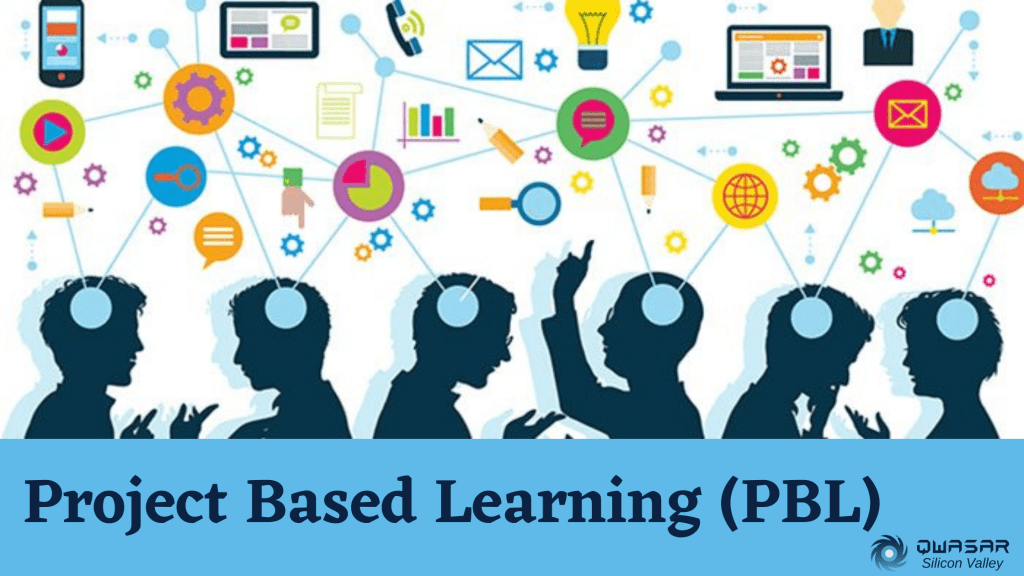
Project-based learning (PBL) is an educational approach that takes a student-centered and hands-on approach to teaching and learning. It allows students to engage in real-world problems or challenges, apply knowledge from multiple subject areas, and develop critical thinking, problem-solving, collaboration, communication, and self-management skills. In this post, we’ll explore what PBL is all about, how…
-
“Performance-Based Assessments: Revolutionizing the Way We Evaluate Student Learning”
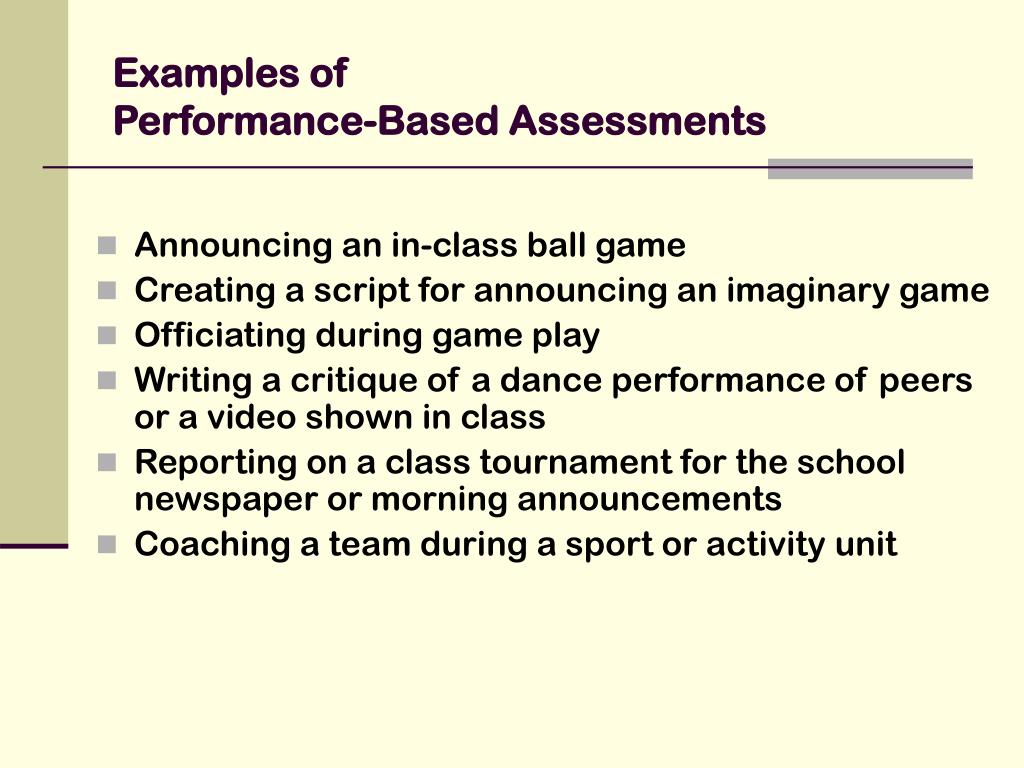
Performance-based assessments, also known as authentic assessments, are a form of evaluation that measures students’ abilities to apply their skills and knowledge in real-life situations. Instead of traditional tests that rely on recall and memorization, performance-based assessments provide opportunities for students to demonstrate their understanding through tasks or projects that mimic the challenges they may…
-
Project-Based Learning: Say Goodbye to Worksheets and Hello to Real-World Problem Solving
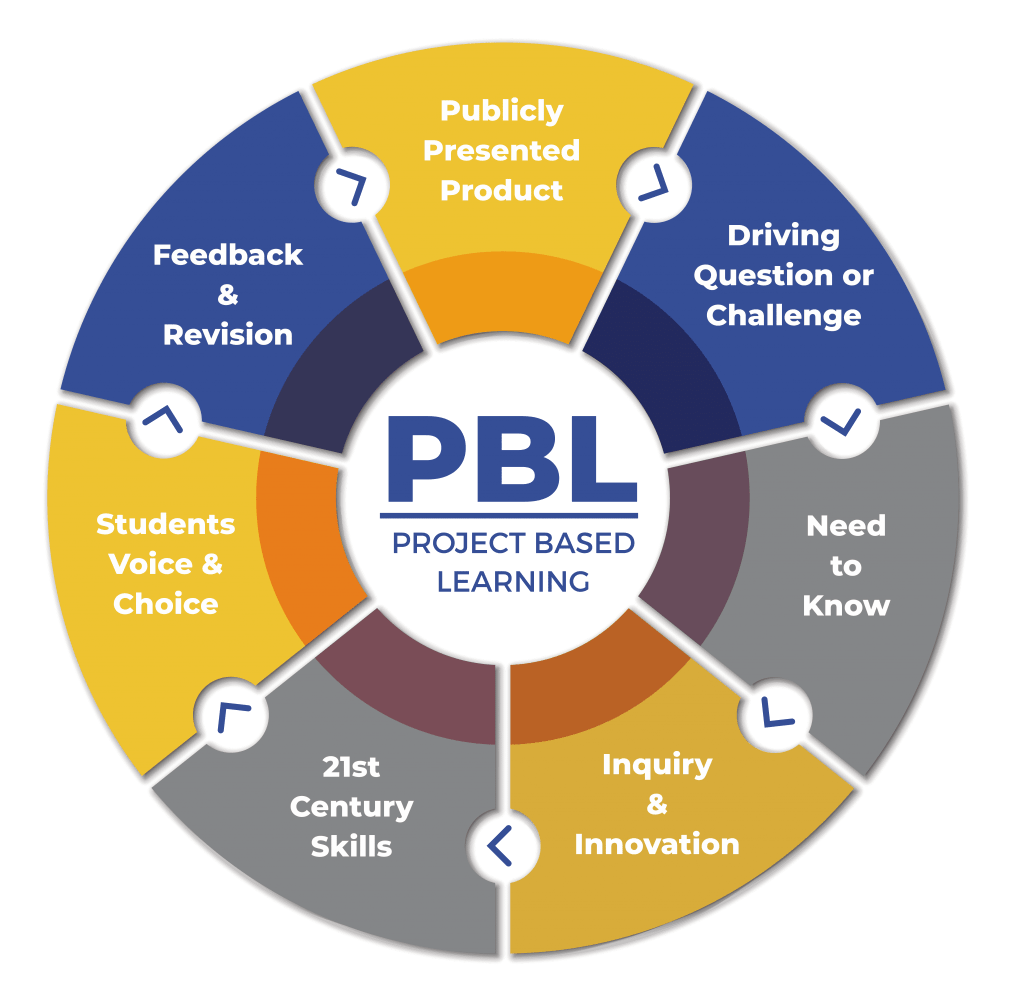
Project-Based Learning: Because Worksheets are so 20th Century Remember back in school when you would have to sit through long lectures and take notes? Then, you’d go home with a stack of worksheets and pages to read, only to repeat the process the next day. Yeah, we don’t miss those days either. Luckily, there is…
-
Project-Based Learning: Engaging Students in Deep, Meaningful Learning!

Project-based learning (PBL) is a teaching method that has been gaining popularity in recent years. PBL involves students working on a project over an extended period of time, often with real-world relevance and complexity. The goal of PBL is to engage students in deep, meaningful learning that allows them to develop critical thinking, problem-solving skills,…
-
Navigating the Tricky Task of Assessing Group Projects in Education

Group projects have long been a staple of education, and for good reason. Group work fosters collaboration, communication, critical thinking, and problem-solving skills. However, the assessment of group projects can be a tricky task for educators. There are various methods to assess group projects. The most common method is assigning each member of the group…
 Alternative Amie