Tag: internships
-
“Experience is the Best Teacher: The Power of Experiential Learning in Education”
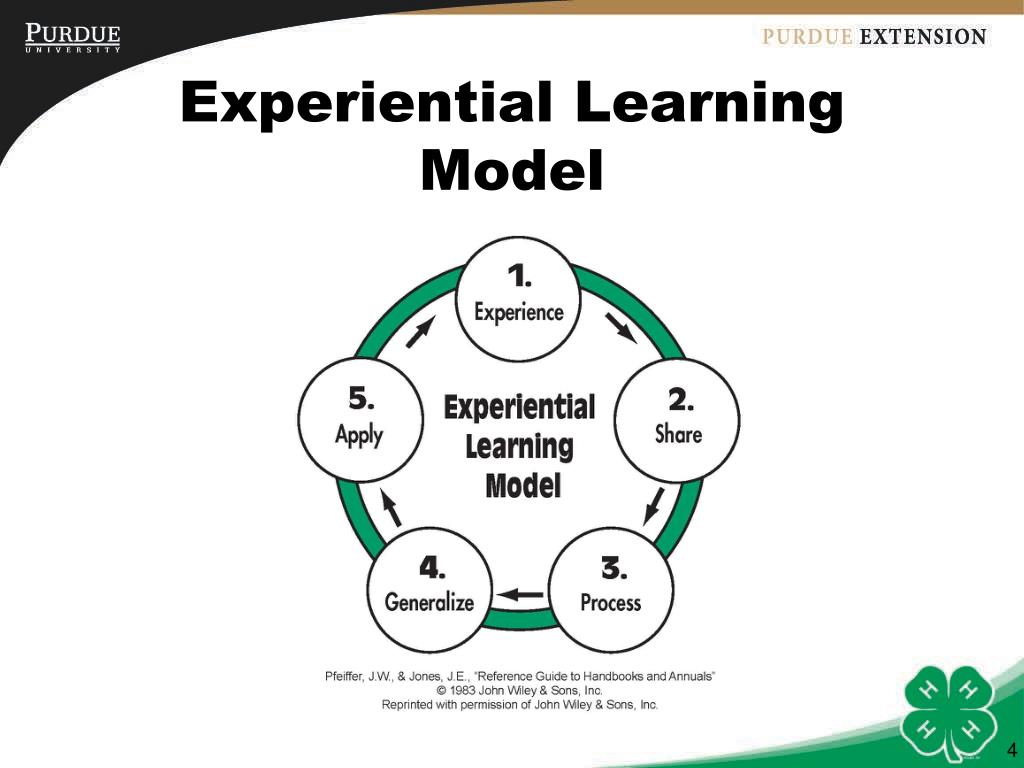
Experiential learning is a powerful approach to education that allows students to learn through hands-on experiences. This learning method has been used for centuries but gained popularity in recent years due to its effectiveness in teaching critical thinking and problem-solving skills. Unlike traditional schooling, experiential learning puts the student at the center of the education…
-
“Taking a Gap Year: The Ultimate Opportunity for Personal and Professional Growth”

In today’s world, students have more options than ever when it comes to their education. One of these options is taking a gap year, which is a break between high school and college or between academic years in college. This year off can be spent traveling, volunteering, interning or working. It’s an opportunity for young…
-
Community-Based Learning Initiatives in Alternative Schools Raise Concerns About Effectiveness and Equity.

As alternative schools continue to gain popularity, community-based learning initiatives have become a cornerstone of many programs. These initiatives aim to immerse students in real-world experiences and connect them with local organizations and businesses. However, some critics are raising eyebrows at the effectiveness of such programs. While the intentions behind community-based learning are noble, it’s…
-
Experiential Learning: The Hands-On Approach to Education
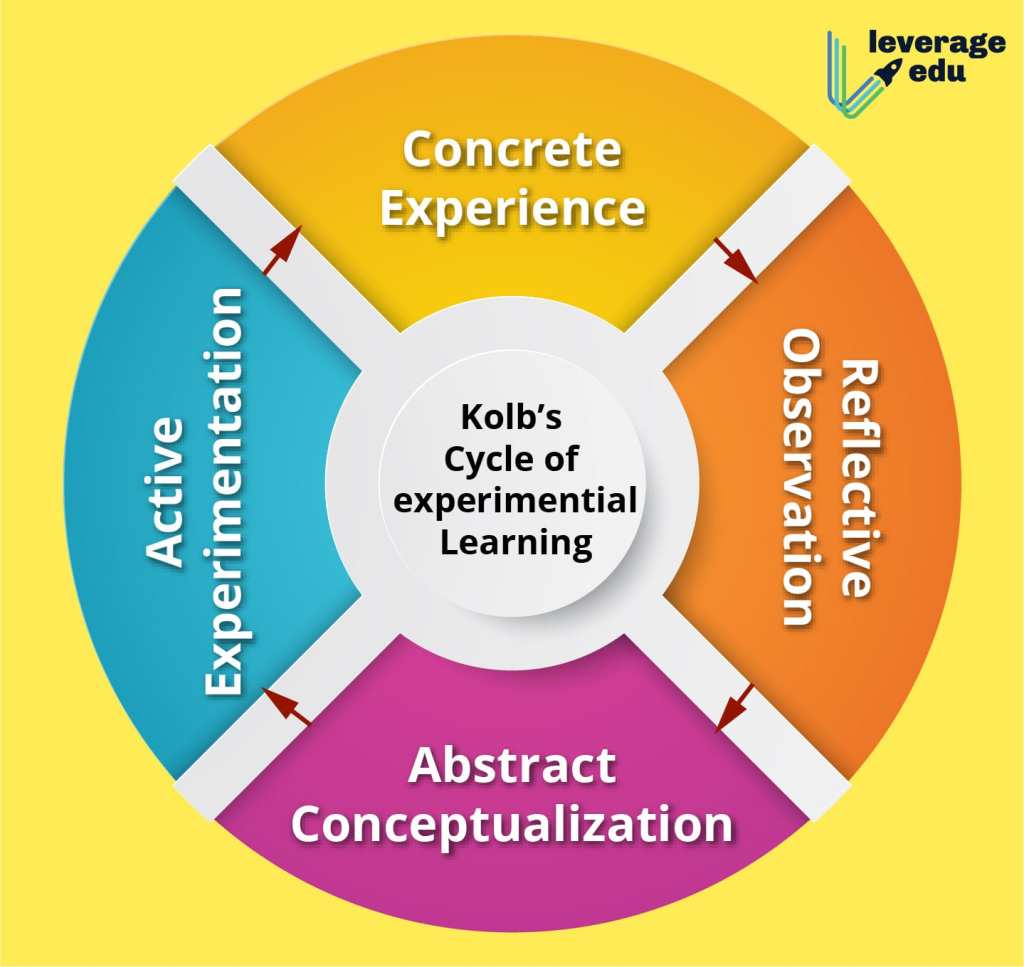
Experiential learning is an educational approach that focuses on hands-on experiences and practical application of knowledge. It is a student-centered approach that emphasizes active participation, reflection, and collaboration. Experiential learning has been gaining popularity in recent years as educators seek to provide students with more engaging and meaningful learning experiences. Studies have shown that experiential…
-
Unlocking the Benefits of Internships: A Valuable Learning Experience

Internships: A Valuable Learning Experience In today’s competitive job market, internships have become a necessary stepping stone for students and recent graduates to gain valuable work experience. The benefits of participating in an internship are numerous, ranging from hands-on learning opportunities to building professional networks. Alternative schooling and education websites often highlight the importance of…
-
The Power of Experiential Learning: Going Beyond the Classroom
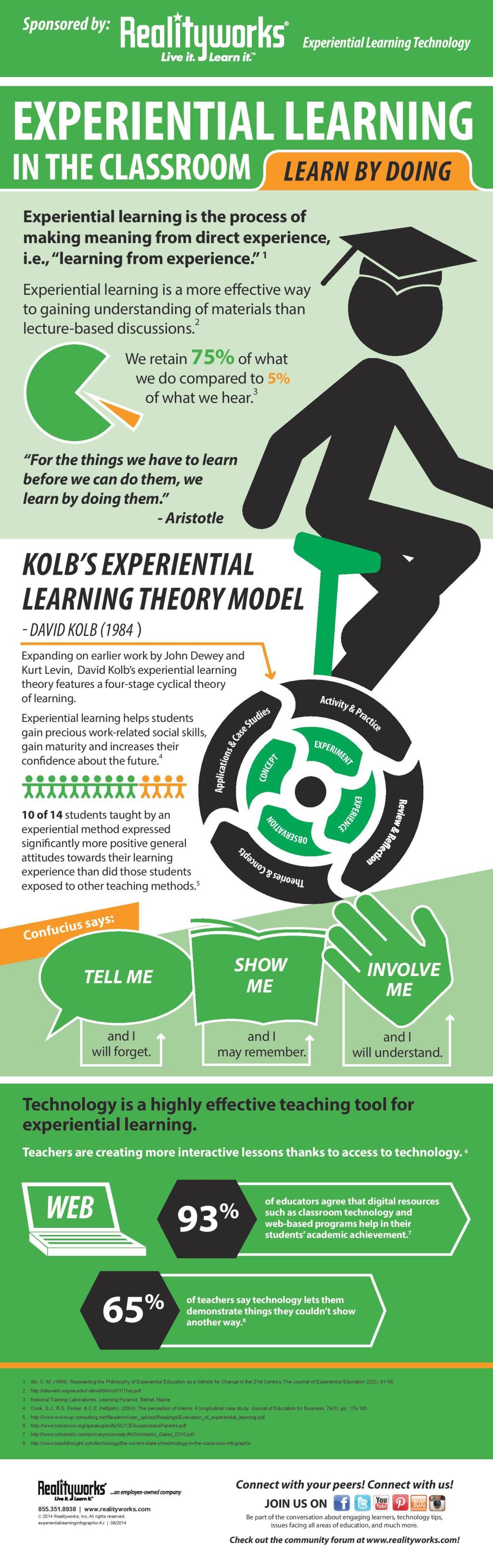
What is experiential learning? Is it just a fancy term for “learning by doing,” or is there more to it than that? Experiential learning has become a popular buzzword in education circles, especially among alternative schools and programs. It’s often touted as a way to provide students with hands-on, real-world experiences that can help them…
-
Incorporating Community Service into the Curriculum: A Win-Win for Students and Communities
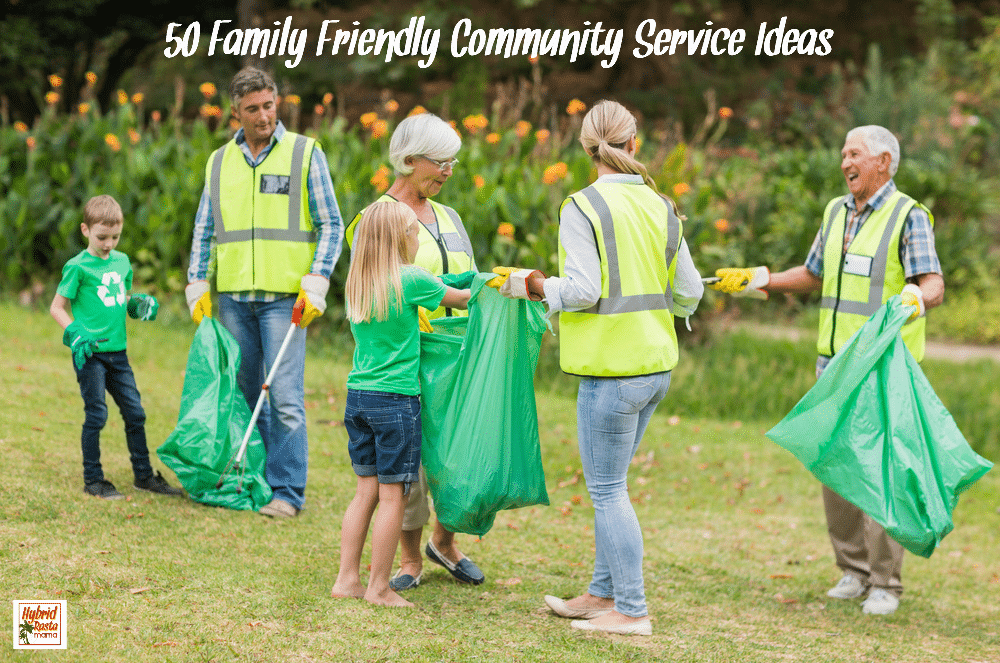
Incorporating Community Service into the Curriculum Community service is a great way for students to learn about their community, develop leadership skills, and give back. It also provides an opportunity for them to apply what they have learned in the classroom to real-world situations. Incorporating community service into the curriculum can be done in several…
-
Panel Discussion: Empowering Alternative School Students for Successful Careers

Panel Discussion: Career Development in Alternative Education Introduction: Alternative education is a fast-growing and dynamic sector with an increasing number of students and parents opting for alternative forms of schooling. The reasons behind this shift are many, including dissatisfaction with traditional educational systems, the desire to provide a more personalized learning experience, or to accommodate…
-
“Experience is the Best Teacher: Exciting Experiential Learning Opportunities for Students”
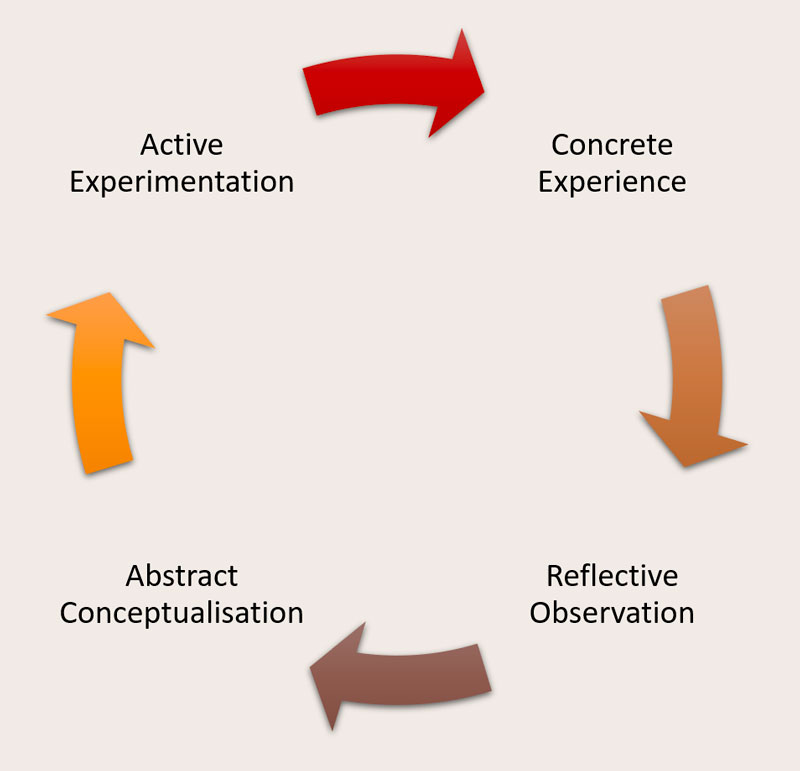
Experiential learning opportunities are becoming more popular in alternative forms of education. These programs allow students to learn by doing and experiencing rather than just listening to lectures or reading textbooks. In this post, we’ll explore some of the most exciting experiential learning opportunities available to students today. One form of experiential learning is through…
-
“Revolutionizing Education: How Experiential Learning is Enhancing Student Engagement and Success in Alternative Schools”

Experiential learning is a well-known strategy that has been used in education for many years. It involves the process of actively engaging students in hands-on experiences to enhance their learning outcomes. In traditional classrooms, students are often passive learners who depend on lectures and textbooks to learn new concepts. However, with experiential learning, students take…
 Alternative Amie