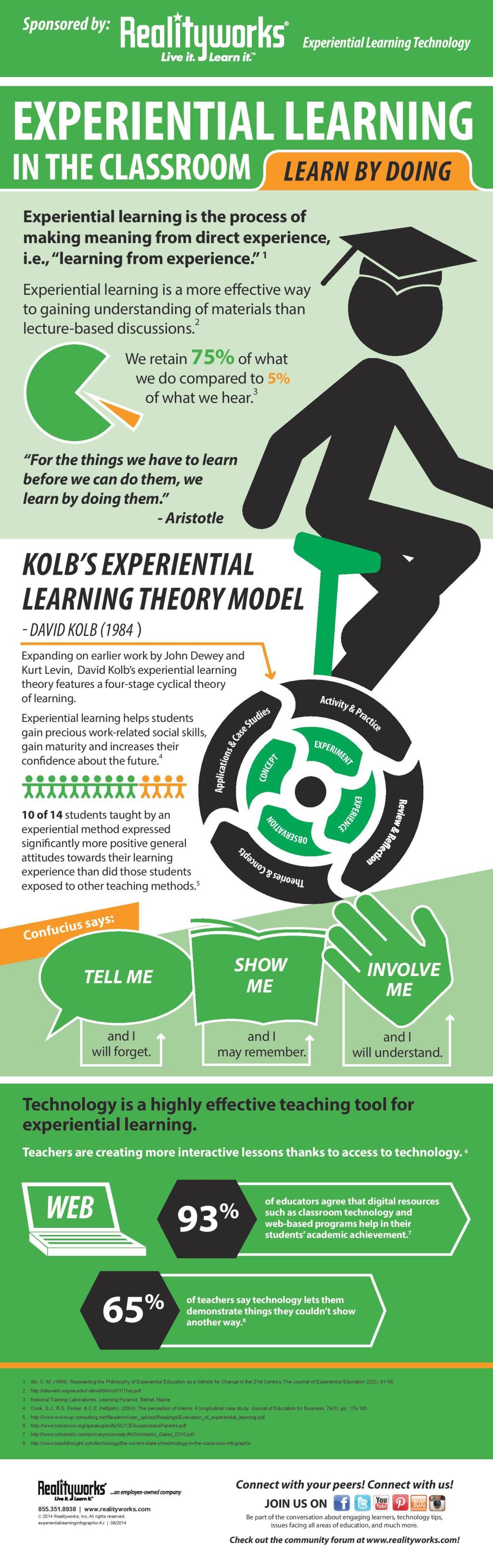
What is experiential learning? Is it just a fancy term for “learning by doing,” or is there more to it than that?
Experiential learning has become a popular buzzword in education circles, especially among alternative schools and programs. It’s often touted as a way to provide students with hands-on, real-world experiences that can help them develop skills and knowledge beyond what they might learn in traditional classrooms.
But what does this actually look like in practice? And is it really all it’s cracked up to be?
At its core, experiential learning involves engaging students in activities that allow them to apply their knowledge and skills in real-world contexts. This could involve anything from internships and apprenticeships to community service projects, outdoor expeditions, or even video game design competitions.
The idea behind experiential learning is that students are more likely to remember and internalize information when they have the opportunity to put it into practice. By immersing themselves in meaningful activities that connect with their interests and passions, they can develop deeper levels of engagement and motivation than they might through rote memorization or lectures alone.
Of course, there are challenges involved with implementing experiential learning effectively. For one thing, not all students thrive in every type of activity – some may struggle with hands-on projects while others excel at academic research or creative writing. Additionally, finding high-quality opportunities for experiential learning can be difficult depending on the resources available within a given school or community.
Despite these challenges, however, many educators believe that the benefits of experiential learning make it well worth pursuing. By providing students with opportunities for active engagement and exploration across multiple disciplines – from science and math to art and literature – schools can help prepare them for success not only academically but also personally and professionally.
So if you’re curious about how your child’s school approaches experiential learning (or if you’re an educator looking for new ways to engage your students), it might be worth exploring this approach further. Whether through internships, community service projects, or other hands-on activities, there’s no denying the power of learning by doing when it comes to expanding one’s knowledge and skills.
 Alternative Amie
Leave a comment