Tag: interdisciplinary learning experiences
-
“Empowering Education: The Transformative Power of Teacher-Student Relationships in Alternative Schools”
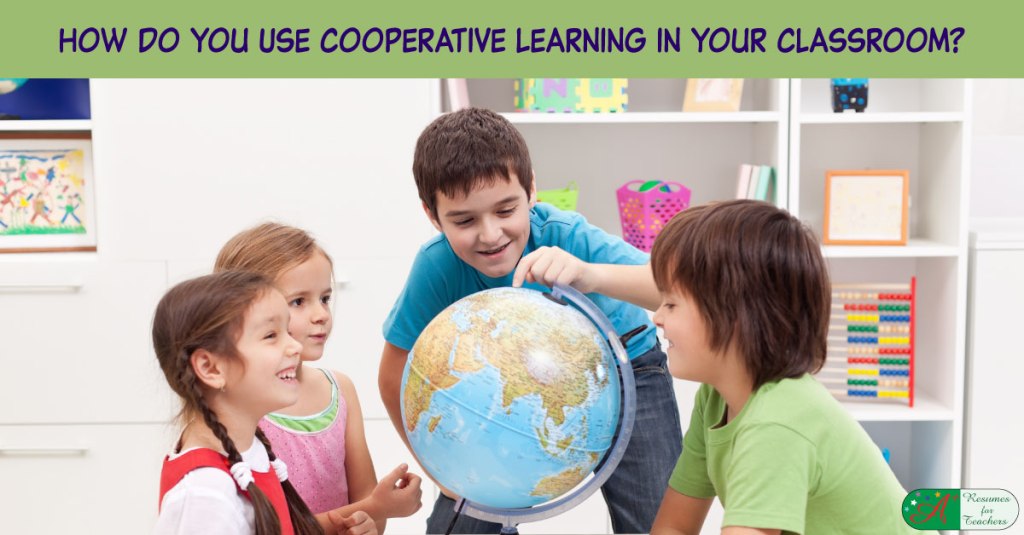
In the realm of alternative schooling and education, one aspect that holds immense significance is the teacher-student relationship. Unlike traditional educational setups, where teachers often play a more authoritative role, alternative schools emphasize a collaborative and nurturing approach to learning. This shift in dynamics between teachers and students fosters an environment that encourages creativity, critical…
-
Dive into Alternative Education: Wetlands as a Unique Classroom
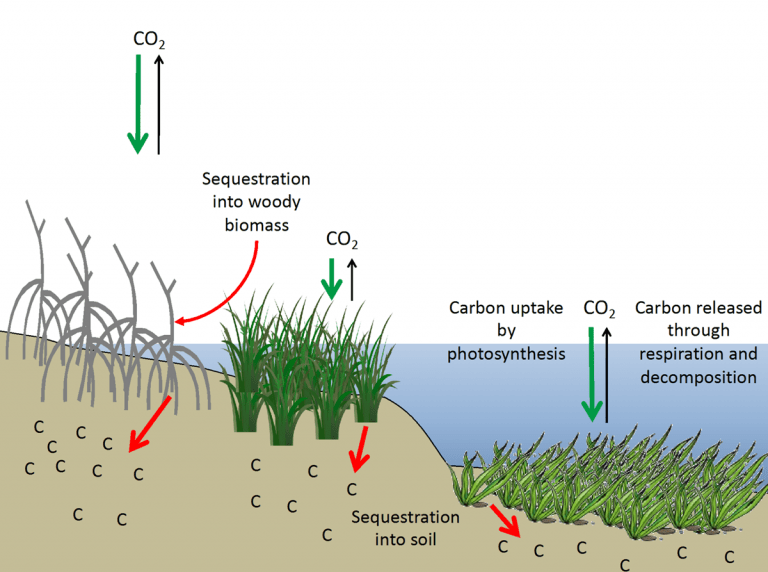
Wetlands: A Unique Classroom for Alternative Education When it comes to alternative schooling and education, exploring the world beyond traditional classrooms is crucial. One such unique classroom can be found in wetlands, which offer a wealth of learning opportunities for students of all ages. These diverse ecosystems are often overlooked but provide an ideal setting…
-
Unlocking Cognitive Potential: Alternative Schooling for Holistic Growth
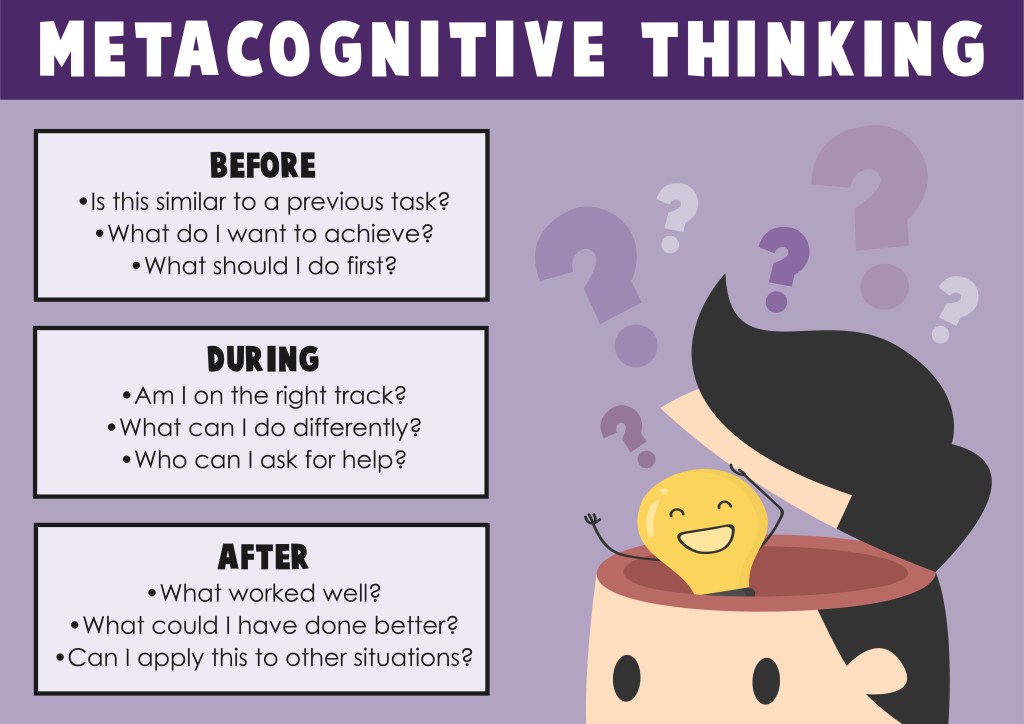
Cognitive development is a fundamental aspect of human growth and learning. It refers to the intellectual abilities and processes that enable individuals to think, reason, problem-solve, and make sense of the world around them. From infancy through adulthood, cognitive development plays a crucial role in shaping our understanding of ourselves and the world we inhabit.…
-
Unleashing the Power of Narrative Assessments in Alternative Education
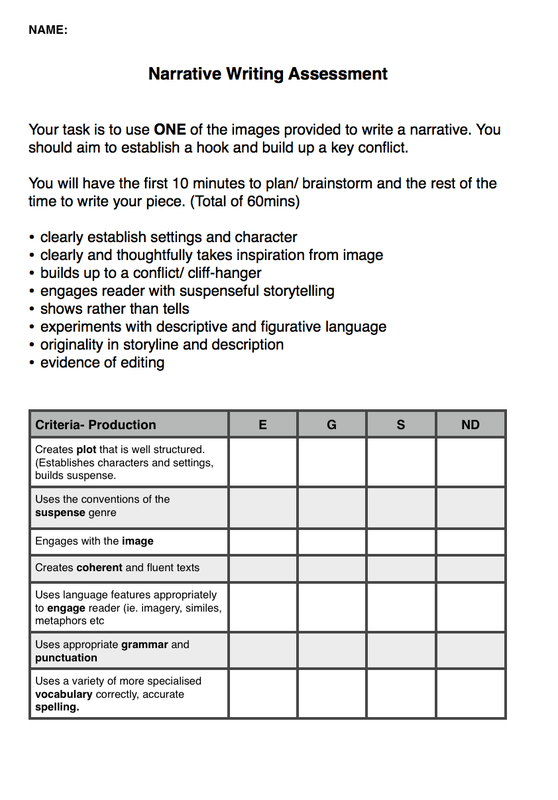
In the world of alternative schooling and education, traditional methods of assessment may not always capture the full range of skills and abilities that students develop. This is where narrative assessments come in. By incorporating storytelling into educational assessments, educators can gain a deeper understanding of students’ creativity, critical thinking skills, problem-solving abilities, social-emotional development,…
 Alternative Amie