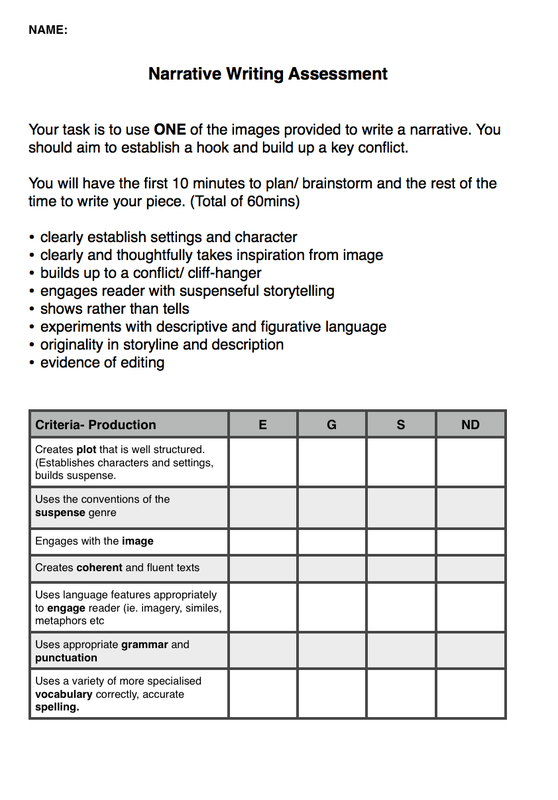
In the world of alternative schooling and education, traditional methods of assessment may not always capture the full range of skills and abilities that students develop. This is where narrative assessments come in. By incorporating storytelling into educational assessments, educators can gain a deeper understanding of students’ creativity, critical thinking skills, problem-solving abilities, social-emotional development, and much more.
One key advantage of narrative assessments is their ability to assess creativity and critical thinking skills. Traditional forms of assessment often rely on multiple-choice questions or standardized tests that prioritize memorization over originality. However, by asking students to craft narratives around a given prompt or topic, educators can observe how well they can think outside the box and generate unique ideas.
Similarly, narrative assessments are an ideal tool for assessing project-based learning. In this approach to education, students engage in hands-on projects that require them to apply knowledge across different subjects and collaborate with their peers. By documenting their experiences through narratives, learners can showcase their ability to synthesize information from various sources and communicate their findings effectively.
Furthermore, narrative assessments provide valuable insights into students’ social-emotional development. Through storytelling exercises that encourage self-reflection and self-expression, educators can assess how well individuals navigate complex emotions such as empathy or resilience. Understanding these aspects helps create a supportive environment for student growth while identifying areas where additional support might be required.
Narrative assessments also have a significant impact on student motivation and engagement since they allow learners to bring their personal experiences into the classroom setting. When students feel seen and heard through narratives about themselves or others like them within diverse cultural contexts or backgrounds relevant to them personally – it enhances intrinsic motivation leading towards higher levels of engagement.
Moreover, narrative assessments serve as an effective tool for personalized learning approaches. By allowing students to choose topics or prompts that align with their interests or experiences when crafting narratives – it empowers them to take ownership over their own learning journey while providing teachers with insight into individual strengths, areas for growth, and personalized learning opportunities.
Cultural diversity is another area that can be explored through narrative assessments. By encouraging students to share stories from their own cultural backgrounds or by incorporating diverse narratives into the curriculum, educators can foster a deeper understanding and appreciation of different cultures. This not only helps create an inclusive classroom environment but also prepares students to become global citizens with a broader perspective on the world.
Problem-solving abilities are essential skills in alternative education settings, where students often tackle real-world problems requiring innovative solutions. Narrative assessments can help evaluate these skills by asking students to narrate how they approached and resolved complex challenges. This provides insight into their problem-solving strategies, creativity, adaptability, and critical thinking abilities.
Communication skills play a vital role in academic success and future professional endeavors. Through storytelling exercises and narratives, students have the opportunity to develop effective communication skills such as articulating ideas clearly, organizing information coherently, using persuasive language techniques when necessary while being aware of audience needs or cultural sensitivities.
The use of digital storytelling takes narrative assessments to new heights in alternative education assessment practices. By incorporating multimedia elements such as images, videos, audio clips into their narratives – students showcase their digital literacy skills along with their ability to convey information effectively using various mediums.
Interdisciplinary learning experiences are becoming increasingly prevalent in alternative schooling environments as they encourage a holistic approach towards knowledge acquisition. Narrative assessments provide an ideal means of evaluating interdisciplinary learning projects by allowing students to connect concepts across disciplines through personal narratives that highlight connections between subjects.
Incorporating student voice and choice is crucial for creating meaningful educational experiences aligned with individual interests or passions. Narrative assessments give learners the freedom to choose topics they care about or reflect upon personal experiences relevant to them personally – which leads towards increased engagement and motivation while providing teachers valuable insights into each student’s unique perspectives.
Resilience and perseverance are qualities that contribute significantly not just academically but also in life. Through narratives, students can reflect on challenges they have overcome, setbacks they have faced, and how these experiences have shaped their growth and development. This assessment approach highlights the importance of resilience and perseverance while allowing educators to support students’ emotional well-being.
Narrative feedback plays a crucial role in supporting student growth and development. Unlike traditional assessments that often provide only a grade or score, narrative assessments offer personalized feedback that focuses on strengths, areas for improvement, and specific actions learners can take to enhance their skills further.
Self-reflection and metacognitive skills are essential for becoming lifelong learners. Narrative assessments encourage students to reflect upon their learning experiences, evaluate their progress, and set goals for future growth. By providing opportunities for self-assessment through personal narratives – educators foster metacognitive skills that enable students to become more autonomous learners.
Collaboration and teamwork abilities are critical in today’s interconnected world. Narrative assessments allow students to share stories about collaborative projects they participated in or highlight the contributions of others within team settings. This provides insights into communication styles, problem-solving approaches while assessing how well individuals work as part of a group towards common goals.
Assessing global perspectives is crucial in promoting cross-cultural understanding among students from different backgrounds. Through cross-cultural storytelling exercises or narratives inspired by diverse cultural contexts – narrative assessments help evaluate each student’s ability to embrace multiple perspectives while developing empathy towards others.
Fostering empathy is another significant impact of narrative assessments on alternative education practices. By encouraging students to step into the shoes of others through storytelling exercises centered around diverse characters or real-life situations – it cultivates empathy while challenging stereotypes or biases that might hinder meaningful connections with people from different backgrounds.
Environmental awareness and sustainability knowledge are increasingly important topics for educational institutions worldwide. Narrative assessments provide an avenue for evaluating these aspects by asking students to explore environmental issues through storytelling projects focused on sustainability-related themes such as climate change impacts or conservation efforts within local or global contexts.
Community-based narratives are a powerful means of assessing students’ understanding of the world around them. By incorporating local stories, histories, or cultural practices into educational assessments – it deepens their connection to the community while promoting appreciation for diverse perspectives and experiences that shape their environment.
Digital literacy skills are essential in today’s digital age. Narrative assessments using multimedia storytelling projects enable students to develop and showcase their digital literacy skills by creating engaging narratives using various technological tools such as video editing software, graphic design platforms, or audio recording devices.
Experiential learning opportunities provide valuable insights into alternative education settings. Narrative assessments allow students to reflect upon and evaluate experiential learning activities they have participated in – be it internships, field trips, volunteering experiences or hands-on projects. This assessment approach assesses how well individuals apply knowledge gained through real-world experiences while developing critical thinking abilities.
Promoting inclusive education practices is a key goal of alternative schooling environments. Narrative assessments contribute significantly towards this aim by allowing students from diverse backgrounds to share their unique lived experiences through personal narratives that challenge stereotypes and promote understanding among peers.
Assessing leadership qualities is crucial for preparing students for future roles as responsible citizens and professionals. Through personal narratives and reflections on leadership experiences – narrative assessments can identify individuals with strong leadership potential while providing guidance on areas for further development.
In conclusion, narrative assessments have revolutionized alternative education assessment practices by offering a more holistic approach that captures the full range of skills and abilities learners cultivate in these environments. Whether evaluating creativity, critical thinking skills, problem-solving abilities, social-emotional development, collaboration capacities or fostering empathy – incorporating storytelling into educational assessments provides invaluable insights into student growth and supports personalized learning journeys. As educators continue to explore the possibilities offered by narrative approaches in alternative schooling settings – we can expect these assessment methods to play an increasingly integral role in shaping the future of education.
 Alternative Amie
Leave a comment