Tag: Individualized education plans (IEPs)
-
Unschooling: Empowering Personalized Learning for Student Growth and Success

Self-directed learning, project-based learning, and the unschooling philosophy have gained popularity in recent years as alternative education options that prioritize individualized learning experiences tailored to each student’s unique interests and needs. These approaches emphasize fostering a love for learning, developing life skills, encouraging creativity and innovation, and promoting community involvement. In this article, we will…
-
Empowering Neurodiverse Learners: Strategies for Success in Education

In a panel discussion about neurodiversity in education, one of the key topics that often comes up is sensory processing differences. These differences can greatly impact how students interact with their environment and learn in a classroom setting. Educators need to be aware of these variations and provide accommodations such as noise-canceling headphones, alternative seating…
-
Empowering Success: Alternative Schooling for Individuals with Intellectual Disabilities
Intellectual Disability is a developmental disorder that affects an individual’s cognitive abilities and adaptive functioning. It is characterized by limitations in intellectual functioning and difficulties in everyday activities such as communication, social skills, and independent living. People with intellectual disabilities may learn at a slower pace than their peers and may require additional support to…
-
Unraveling the Mysteries of Nonverbal Learning Disability (NVLD)
Nonverbal Learning Disability (NVLD) is a lesser-known condition that affects individuals in various aspects of their lives, particularly in education. While NVLD falls under the broader category of learning disabilities, it is distinct in its characteristics and challenges. Understanding NVLD is crucial for educators, parents, and students to provide appropriate support and accommodations. **What is…
-
Embracing Neurodiversity: Building Inclusive and Successful Classrooms

Neurodiversity in the Classroom: Fostering Inclusivity and Success In recent years, there has been a growing recognition of the importance of embracing neurodiversity in educational settings. Neurodiversity refers to the wide range of neurological differences found among individuals, including conditions such as autism spectrum disorder (ASD), attention deficit hyperactivity disorder (ADHD), dyslexia, and others. Instead…
-
Mastering Success: The Rise of Competency-Based Grading Systems

Mastery-Based Grading Systems 1. Mastery-based grading systems have gained popularity in recent years as an alternative to traditional grading methods. This approach focuses on students’ mastery of specific skills or knowledge rather than their ability to accumulate points or grades over time. In a mastery-based grading system, students are given multiple opportunities to demonstrate their…
-
Unleashing the Power of Narrative Assessments in Project-Based Learning

Narrative assessments play a crucial role in project-based learning, providing educators with a holistic understanding of students’ knowledge, skills, and growth. By capturing the narrative of a student’s learning journey, these assessments offer valuable insights into their social-emotional development, individualized education plans (IEPs), and unique perspectives. Additionally, narrative assessments can be adapted to suit various…
-
Unlocking Potential: Alternative Education for Gifted Learners

As educators and parents, we strive to provide the best learning opportunities for all children, including those who are gifted or have exceptional abilities. However, sometimes these students can be overlooked or misunderstood in traditional school settings. That’s where alternative schooling and education come into play, offering unique approaches to meet the needs of these…
-
Assessing Creativity: Unleashing Potential Through Portfolios
Assessing Creativity Through Portfolios In the realm of education, creativity is a highly valued skill that allows individuals to think outside the box, solve problems innovatively, and express themselves authentically. As traditional schooling tends to focus on standardized testing and rote memorization, alternative forms of education have emerged as platforms for nurturing creativity in students.…
-
“Unlocking Potential: Meeting the Unique Needs of Gifted Learners Through Alternative Schooling Approaches”
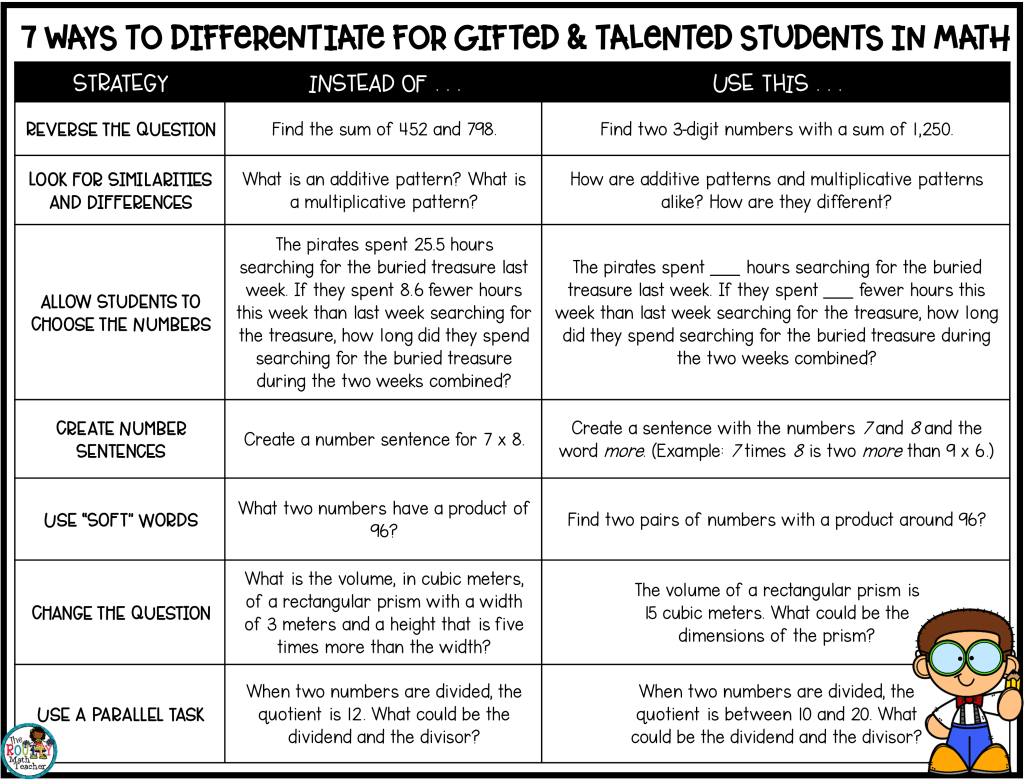
Differentiated instruction is a teaching approach that involves tailoring instruction to meet the diverse learning needs of students. In the context of gifted education, differentiated instruction allows teachers to provide appropriate challenges and support for advanced learners. This can involve modifying content, process, or product to ensure that gifted students are engaged and appropriately challenged.…
 Alternative Amie