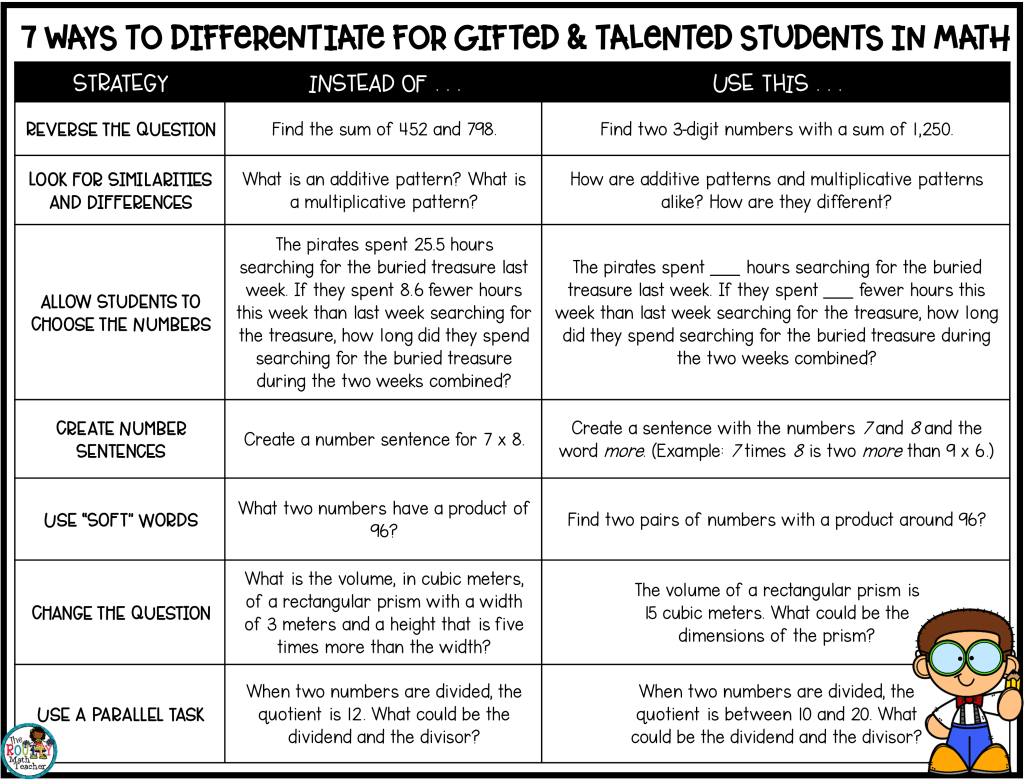
Differentiated instruction is a teaching approach that involves tailoring instruction to meet the diverse learning needs of students. In the context of gifted education, differentiated instruction allows teachers to provide appropriate challenges and support for advanced learners. This can involve modifying content, process, or product to ensure that gifted students are engaged and appropriately challenged.
Twice-exceptional learners are students who have both exceptional abilities and disabilities. These students often face unique challenges in the classroom as their strengths may mask their disabilities or vice versa. It is crucial for educators to identify and support these learners by providing accommodations, individualized strategies, and specialized interventions.
Gifted students have social-emotional needs that require attention and support. They may experience heightened sensitivity, perfectionism, peer relationship struggles, or existential concerns due to their advanced intellectual abilities. Educators must address these needs by fostering a positive classroom environment, promoting social-emotional learning skills, providing counseling services if necessary, and encouraging peer collaboration.
Acceleration and enrichment strategies involve providing advanced learners with opportunities to move through the curriculum at an accelerated pace or engage in more complex content. Enrichment activities can include independent research projects, seminars with experts in various fields, or participation in competitions.
Individualized Education Plans (IEPs) are essential tools for meeting the educational needs of gifted students. These plans outline specific goals, accommodations, modifications, and supports tailored to each student’s unique abilities and challenges.
Creativity and innovation play a vital role in nurturing giftedness. Teachers should incorporate open-ended tasks, problem-solving activities, divergent thinking exercises into their lessons to foster creativity among gifted learners.
Critical thinking skills development is essential for helping gifted students become independent thinkers who can analyze information critically. Teachers can use questioning techniques that encourage higher-order thinking skills such as analyzing patterns or evaluating evidence.
Problem-based learning allows gifted students to tackle real-world problems while developing critical thinking skills simultaneously. By working collaboratively on authentic problems relevant to their interests, students can engage in meaningful learning experiences.
Technology integration is a powerful tool for engaging and challenging gifted learners. Utilizing educational apps, online resources, virtual simulations, and other digital tools can enhance their learning experiences and support independent exploration.
Talent development programs and initiatives provide specialized opportunities for gifted students to further develop their abilities. These programs often offer advanced coursework, mentorship opportunities, talent showcases, or partnerships with community organizations.
Gifted identification and assessment methods are crucial for identifying exceptional abilities accurately. Multiple measures such as cognitive assessments, creativity tests, teacher nominations, or portfolio reviews should be used to ensure comprehensive identification processes.
Parent involvement is vital in supporting the needs of gifted learners. Parents can advocate for appropriate educational services, collaborate with educators to develop IEPs or 504 plans if necessary, seek enrichment opportunities outside of school hours or join parent support groups.
Peer collaboration and cooperative learning allow gifted students to work together on projects that challenge them intellectually while developing social skills like communication and teamwork.
Culturally responsive teaching recognizes the unique cultural backgrounds of diverse gifted populations. Educators should incorporate culturally relevant materials into their curriculum while providing an inclusive environment that values every student’s perspective.
Underachievement among gifted students is a concern that must be addressed by understanding the underlying causes such as lack of challenge or motivation. Teachers need to implement strategies like acceleration or enrichment activities tailored to individual needs to prevent underachievement.
Advocacy plays a crucial role in ensuring that the needs of gifted students are met at both the school and policy levels. Advocates can promote funding for professional development opportunities for teachers working with advanced learners or lobby for legislation supporting gifted education programs.
Dual enrollment options allow advanced learners to take college-level courses while still in high school. These options provide intellectual challenges beyond traditional high school curriculum offerings
Homeschooling and unschooling approaches offer alternatives for parents seeking more flexibility in meeting their child’s unique educational needs. Gifted children may benefit from individualized instruction, self-paced learning, and access to a wider range of resources and opportunities.
Project-based learning provides gifted learners with the opportunity to engage in in-depth investigations on topics they are passionate about. This approach fosters critical thinking, problem-solving skills, and creativity.
STEM education is essential for nurturing the talents of mathematically and scientifically gifted students. Hands-on experiments, real-world applications, and integration of technology can enhance their understanding and engagement in these fields.
Arts education allows gifted students to explore their creative talents while developing skills such as self-expression, problem-solving, collaboration, and resilience. Opportunities for talent development in areas like music, visual arts, theater can help nurture their artistic abilities.
Executive functioning skills training helps gifted learners develop organizational skills, time management techniques, goal-setting strategies that are crucial for success both inside and outside the classroom.
Gifted education policies and legislation play a significant role in ensuring equitable access to appropriate educational services for advanced learners. Advocating for strong policies at local or national levels can improve support systems for gifted students.
Summer programs and camps provide enrichment opportunities during school breaks where advanced learners can engage in specialized activities catered to their interests or talents
Mentorship programs connect talented youth with professionals who share similar interests or career paths. These relationships offer guidance, role models inspire them to reach their full potential.
In conclusion, there are numerous important topics related to alternative schooling approaches that aim at meeting the unique needs of gifted learners. Educators should be aware of these diverse aspects when designing instructional strategies or advocating for appropriate educational services for advanced learners.
 Alternative Amie
Leave a comment