Tag: educational experiences
-
The Power of Small: How Small Class Sizes Benefit Students and Communities

Benefits of Small Class Sizes One of the most significant advantages of small schools is the smaller class sizes they offer. Unlike larger schools where classrooms may be crowded and teachers have to manage a large number of students, small schools prioritize individual attention and personalized learning experiences. This article will explore the benefits of…
-
Exploring the World From Home: Virtual Field Trips and Educational Experiences

Virtual Field Trips and Educational Experiences: Exploring the World From Home In today’s digital age, education is no longer confined to the four walls of a classroom. With advancements in technology, students now have the opportunity to explore the world and embark on educational adventures without leaving their homes. Virtual field trips have become a…
-
Unveiling the Hidden Wonders: Deserts as Alternative Learning Paradises

Deserts: A Unique Ecosystem for Alternative Learning When most people imagine a desert, they picture barren landscapes and scorching heat. However, deserts are not just lifeless wastelands but fascinating ecosystems teeming with unique plant and animal adaptations. Exploring the wonders of deserts can provide alternative learners with a rich and immersive educational experience that goes…
-
Exploring Beyond the Classroom: Field Trips Enhance Hybrid Homeschooling

Incorporating Field Trips into Hybrid Homeschooling Hybrid homeschooling, a combination of traditional homeschooling and part-time attendance at a physical school or learning center, has gained popularity in recent years. This innovative approach allows parents to have more control over their child’s education while still providing opportunities for socialization and structured learning experiences. One aspect that…
-
Revolutionizing Education: Adaptive Learning Technology Takes Center Stage

Adaptive Learning Technology: Revolutionizing Education In recent years, educational institutions have witnessed a significant shift in the way students learn and acquire knowledge. Traditional classrooms are gradually giving way to innovative technologies that cater to individual learning needs. One such groundbreaking advancement is adaptive learning technology, which has the potential to revolutionize education as we…
-
The Vital Role of Parents in Homeschooling Co-ops

The Role of Parents in Homeschooling Co-ops Homeschooling co-ops provide a unique educational experience for children, where parents take an active role in their child’s education. In these cooperative learning environments, parents play a crucial role in facilitating and supporting the homeschooling process. One of the primary responsibilities of parents in homeschooling co-ops is to…
-
Unlocking Academic Excellence: The Power of Dual Enrollment
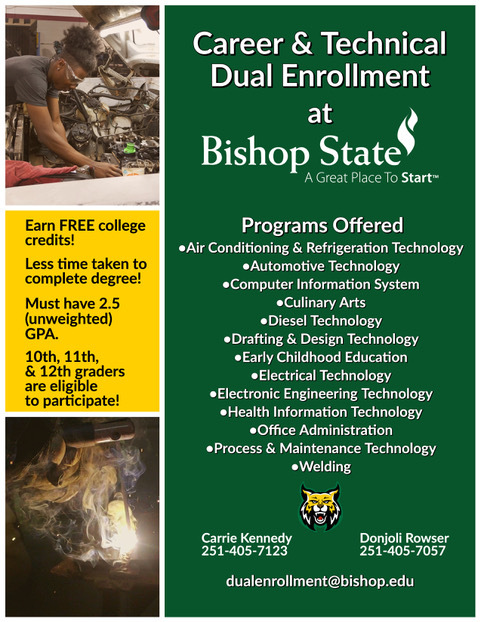
Dual Enrollment and Academic Rigor: Exploring the Benefits of Alternative Education Introduction: In recent years, alternative forms of education have gained popularity as students and parents seek innovative ways to enhance their educational experiences. One such approach is dual enrollment, which allows high school students to enroll in college courses while still completing their high…
-
“Unlocking the Power of Personalized Learning: Blended Environments Empower Students to Thrive”
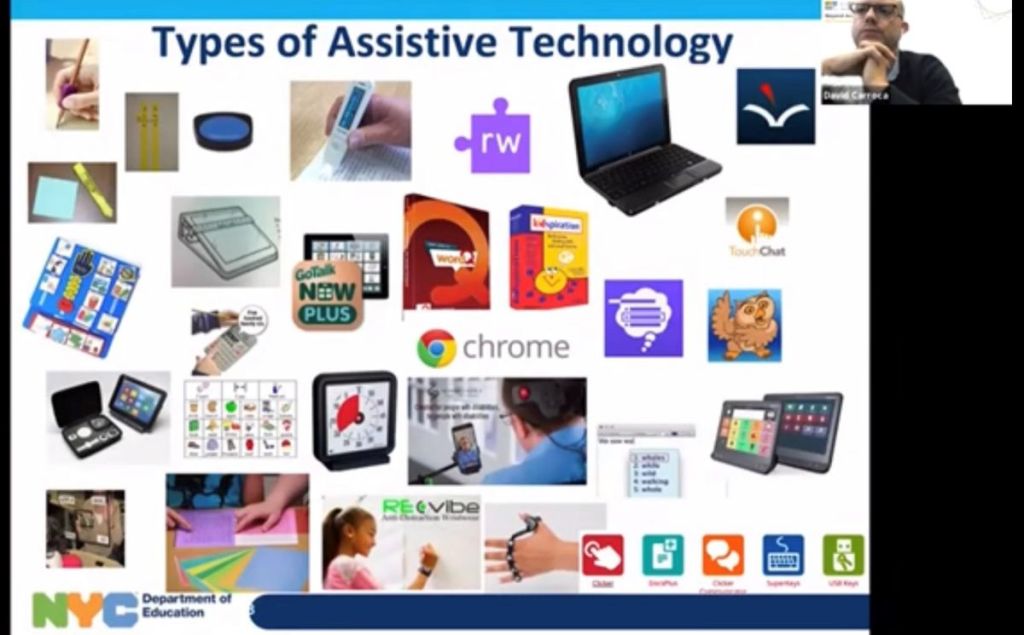
Personalized learning in blended environments is a powerful approach to education that combines the benefits of both traditional classroom instruction and online learning. By tailoring instruction to meet the unique needs and interests of each student, personalized learning fosters engagement, motivation, and academic success. In a blended environment, students have the opportunity to work at…
-
Why Portfolio Assessment is the Future of Measuring Student Progress
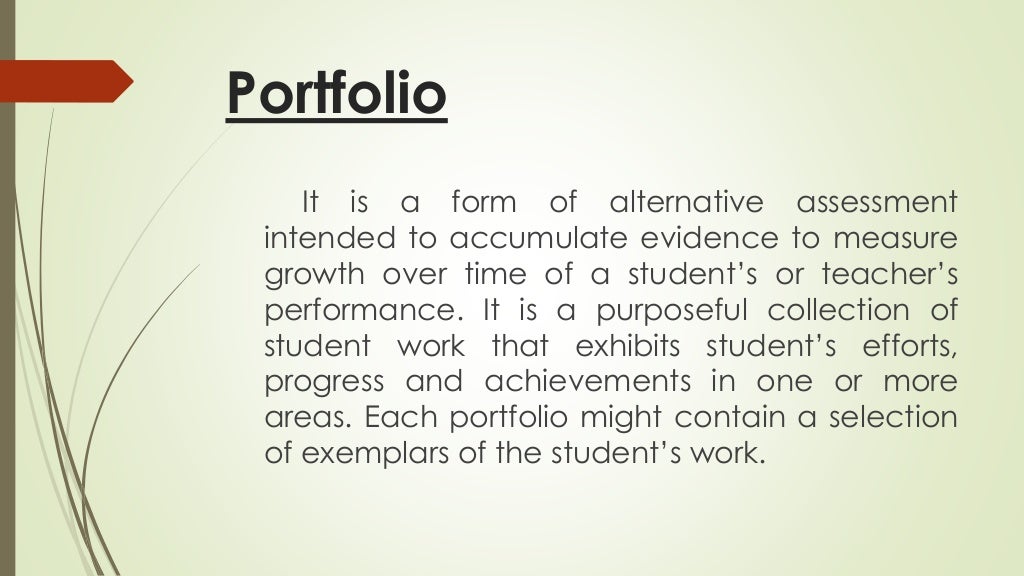
Portfolio assessment is an effective way to evaluate student learning and progress. It allows educators to gather evidence of student achievement over time, including a range of skills and knowledge acquired through different educational experiences. In this tutorial-style post, we will explore the key components and benefits of portfolio assessment. What is Portfolio Assessment? Portfolio…
-
Balancing Personalization and Cultural Responsiveness: The Paradox in Education Settings
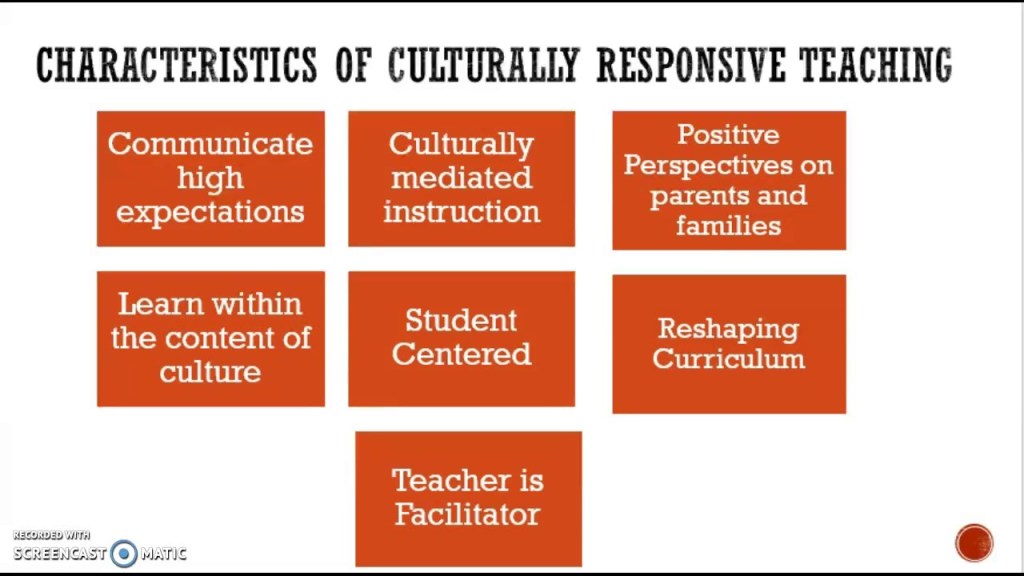
Culturally Responsive Teaching in Personalized Education Settings: The Paradox The world is becoming more diverse, and this diversity has found its way into our classrooms. Culturally responsive teaching (CRT) aims to help students from different cultures feel valued and included in the classroom setting. This approach recognizes that culture affects how we learn and interact…
 Alternative Amie