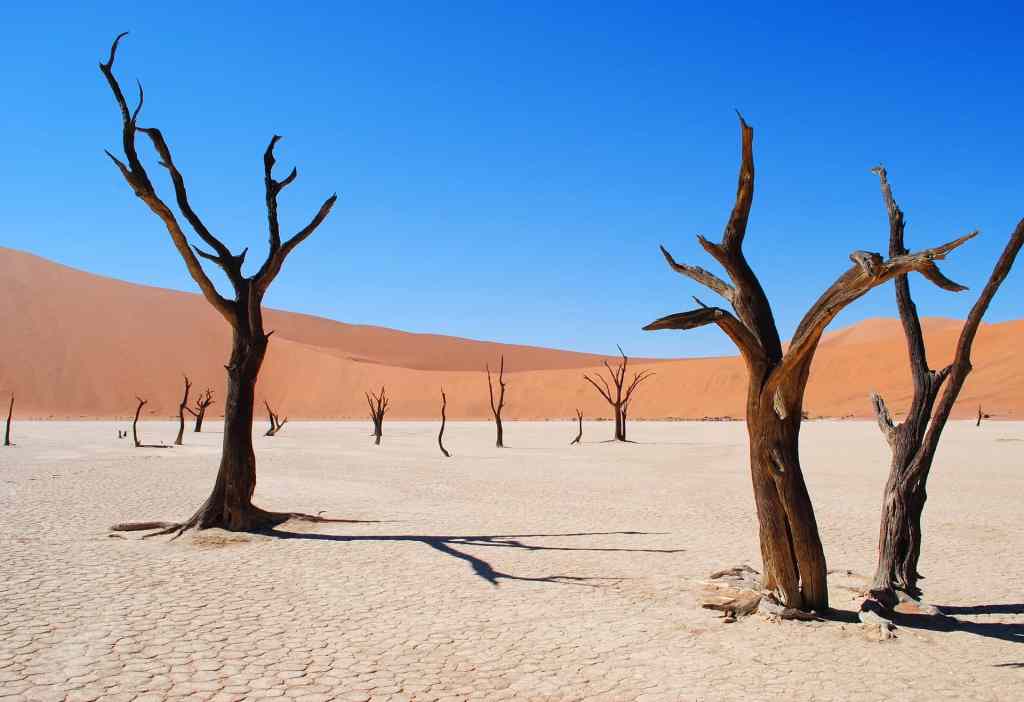
Deserts: A Unique Ecosystem for Alternative Learning
When most people imagine a desert, they picture barren landscapes and scorching heat. However, deserts are not just lifeless wastelands but fascinating ecosystems teeming with unique plant and animal adaptations. Exploring the wonders of deserts can provide alternative learners with a rich and immersive educational experience that goes beyond traditional classroom settings.
Deserts cover about one-third of the Earth’s land surface, encompassing diverse regions across every continent except Europe. From the Sahara in Africa to the Mojave in North America and the Gobi in Asia, each desert holds its own secrets waiting to be unraveled by curious minds.
One of the remarkable aspects of deserts is their extreme climate. With scorching daytime temperatures often exceeding 100 degrees Fahrenheit (38 degrees Celsius) and freezing nights, these environments pose challenges that foster resilience and adaptability in both plants and animals. Students engaged in alternative learning can explore these adaptations through hands-on activities such as studying cacti’s water storage mechanisms or investigating how camels survive without water for extended periods.
Water scarcity is another defining characteristic of deserts, making it an excellent topic for learners interested in environmental issues. Through research projects or field trips to desert areas with local guides or experts, students can gain a deeper understanding of water conservation strategies employed by desert inhabitants. They may learn about ancient irrigation systems like qanats used by civilizations such as Persians or explore innovative techniques like fog harvesting employed by modern communities residing near coastal deserts.
Exploration of biodiversity within desert ecosystems allows students to understand how organisms have evolved to thrive under harsh conditions. Many reptiles found in deserts have developed unique adaptations that enable them to regulate their body temperature efficiently while conserving water. Studying these adaptations provides valuable insights into evolution and ecology while fostering an appreciation for nature’s ingenuity.
Additionally, the study of geology offers an exciting avenue for alternative learners to delve into desert environments. Deserts are often characterized by stunning rock formations, sand dunes, and ancient fossil beds. Students can learn about the forces that shape these landscapes through investigations of wind erosion or conducting experiments with sedimentation processes. The opportunity to engage in hands-on geological studies fosters critical thinking skills and encourages students to develop a sense of wonder about the natural world.
Furthermore, deserts provide ample opportunities for cultural exploration. Indigenous communities have flourished in arid regions for thousands of years, developing sustainable practices and unique knowledge systems deeply rooted in their environment. By engaging with local communities during visits or through virtual exchanges, alternative learners can gain insights into traditional ecological knowledge systems and understand humanity’s deep connection with nature.
Desert ecosystems also offer a platform for interdisciplinary learning experiences that integrate various subjects. For instance, studying the physics behind mirages combines elements of optics and meteorology while examining how plant adaptations correlate with climate conditions bridges biology and environmental science. Such integrated approaches allow students to connect concepts from different disciplines seamlessly.
Alternative schooling often emphasizes experiential learning as an effective way to nurture holistic development in students. Desert environments present abundant opportunities for hands-on experiences such as field expeditions, camping trips, or even survival simulations where learners apply their acquired knowledge practically.
Moreover, incorporating technology into desert-based education offers endless possibilities for remote learning or virtual exploration when physical access is limited. Virtual reality applications can transport students directly into desert habitats where they can observe wildlife behavior or interact with professionals working on conservation projects.
It is essential to acknowledge potential challenges when designing alternative educational programs centered around deserts. Safety precautions must be prioritized due to extreme weather conditions and potentially hazardous wildlife encounters within these environments. Proper guidance from experienced educators ensures that learners engage responsibly without endangering themselves or disturbing sensitive ecosystems.
In conclusion, deserts provide alternative learners with a wealth of educational opportunities extending beyond conventional classroom settings. These unique ecosystems offer diverse subjects for exploration, including adaptations to extreme climates, water scarcity and conservation, biodiversity, geology, cultural studies, interdisciplinary learning experiences, and hands-on applications. By incorporating deserts into alternative schooling curricula and utilizing a range of teaching methods from field trips to virtual reality simulations, educators can create immersive educational experiences that foster curiosity, critical thinking skills, and an appreciation for the natural world.
 Alternative Amie
Leave a comment