Tag: dyslexia
-
Unlocking the Potential: Creating Inclusive Learning Environments for Neurodiverse Learners

Sensory processing differences refer to the way in which individuals process and respond to sensory information from their environment. For some neurodivergent learners, such as those with autism spectrum disorders or ADHD, sensory processing differences can have a significant impact on their ability to focus and learn effectively. Understanding these differences and implementing strategies to…
-
Unlocking the Creative Potential of Neurodivergent Thinkers

Neurodiversity and Creativity: Unlocking the Potential of Alternative Thinkers In recent years, there has been a growing understanding and appreciation for neurodiversity – the concept that neurological differences, such as autism, ADHD, dyslexia, and others, are simply natural variations of the human brain. This paradigm shift challenges traditional views that consider these differences as disabilities…
-
Will Smith: A Journey of Alternative Schooling and Education

Will Smith: A Journey of Alternative Schooling and Education When you hear the name Will Smith, it’s likely that images of his blockbuster films or catchy rap songs come to mind. But what many people may not know is that behind the fame and success lies a unique journey of alternative schooling and education. Born…
-
Unlocking Potential: Empowering Students with Dyslexia and Dyscalculia to Thrive
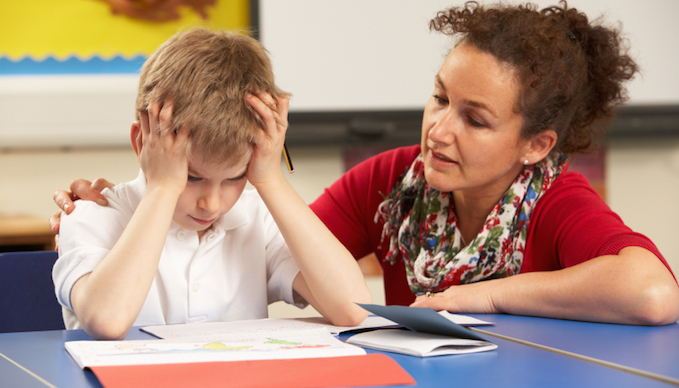
Dyslexia and dyscalculia are two common learning disabilities that affect individuals’ ability to read, write, and understand numbers. These conditions can significantly impact a student’s academic performance and overall confidence in their abilities. Dyslexia primarily affects reading and language skills. People with dyslexia may have difficulty decoding words, recognizing letters or sounds, comprehending written text,…
-
Unlocking the Potential: Supporting Neurodivergent Students through Individualized Learning

Learning Styles and Neurodivergent Students: Understanding and Supporting Individual Differences In traditional education, a one-size-fits-all approach has long been the norm. However, this approach fails to acknowledge the diverse ways in which individuals learn. Each student possesses unique strengths, weaknesses, and preferences when it comes to acquiring knowledge. This is particularly true for neurodivergent students…
-
Navigating Neurodivergent Parenting: Strategies for Supporting Our Unique Children

Neurodivergent Parenting Strategies: Nurturing and Supporting Our Unique Children Parenting is a challenging journey, and when you have neurodivergent children, it can come with its own set of joys and hurdles. Neurodivergence refers to variations in brain functioning that include conditions such as autism, ADHD, dyslexia, and other developmental differences. As parents, it is important…
-
Matt Damon: Revolutionizing Education and Paving the Way for Alternative Schooling

Matt Damon: A Trailblazer in Alternative Schooling and Education In the realm of Hollywood, Matt Damon is a renowned actor known for his versatility and talent. However, what many people may not know is that Damon has also been an advocate for alternative schooling and education systems. With his active involvement in various educational initiatives,…
-
Embracing Neurodiversity: Unlocking the Power of Inclusive Education

Neurodiversity in the Classroom: Embracing Differences for an Inclusive Education In recent years, there has been a growing recognition of neurodiversity in education. The concept of neurodiversity challenges the traditional understanding of neurological differences as disabilities and instead emphasizes that these differences are simply variations of human brain wiring. This perspective advocates for a more…
-
“Unlocking Potential: Nurturing Neurodiversity in Education for Success and Inclusion”

Sensory processing differences, also known as sensory processing disorder (SPD), refer to difficulties in how the nervous system receives and responds to sensory information from the environment. This can affect individuals across various age groups and may manifest differently for each person. Sensory processing differences can impact daily life activities, including learning and social interactions.…
-
Adaptive Technology: Revolutionizing Education for All

Adaptive Technology: Enhancing Education for All In today’s fast-paced world, technology has become an integral part of our lives. It has revolutionized various aspects of society, including education. In recent years, there has been a growing emphasis on alternative schooling and education methods that cater to the unique needs of every individual student. One crucial…
 Alternative Amie