Tag: collaboration skills
-
Empowering Students Through Inquiry-Based Learning: Fostering Curiosity and Critical Thinking

Inquiry-based learning is a student-centered approach to education that emphasizes critical thinking, problem-solving, and exploration. Rather than passively receiving information from teachers, students are encouraged to ask questions, investigate topics of interest, and construct their own understanding of the world around them. This approach allows students to engage deeply with the material they are studying,…
-
Empowering Education: The Rise of Project-Based Learning
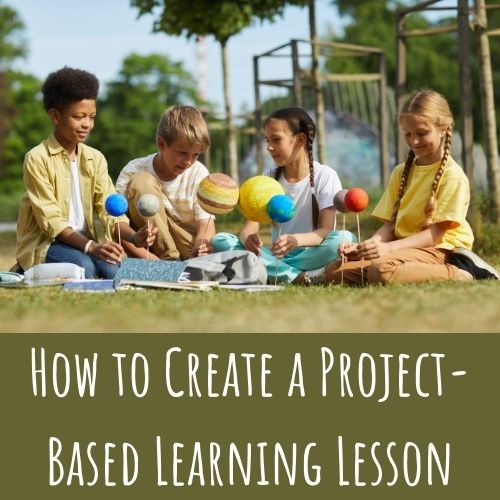
Project-based learning (PBL) is an innovative approach to education that has gained momentum in recent years. Rooted in the belief that students learn best through hands-on, real-world experiences, PBL shifts the focus from rote memorization and standardized testing to active engagement and collaboration. One of the key principles of project-based learning is its emphasis on…
-
Empowering Education: Student Choice & Voice Transforming Learning Landscape

Student choice and voice are integral components of alternative education models. In traditional educational settings, students often have limited say in their learning experiences. However, alternative schools prioritize student autonomy and empowerment by providing opportunities for students to make choices about their education and express their thoughts and opinions. One of the key benefits of…
-
Unlocking Potential: How Project-Based Learning Empowers Gifted Students
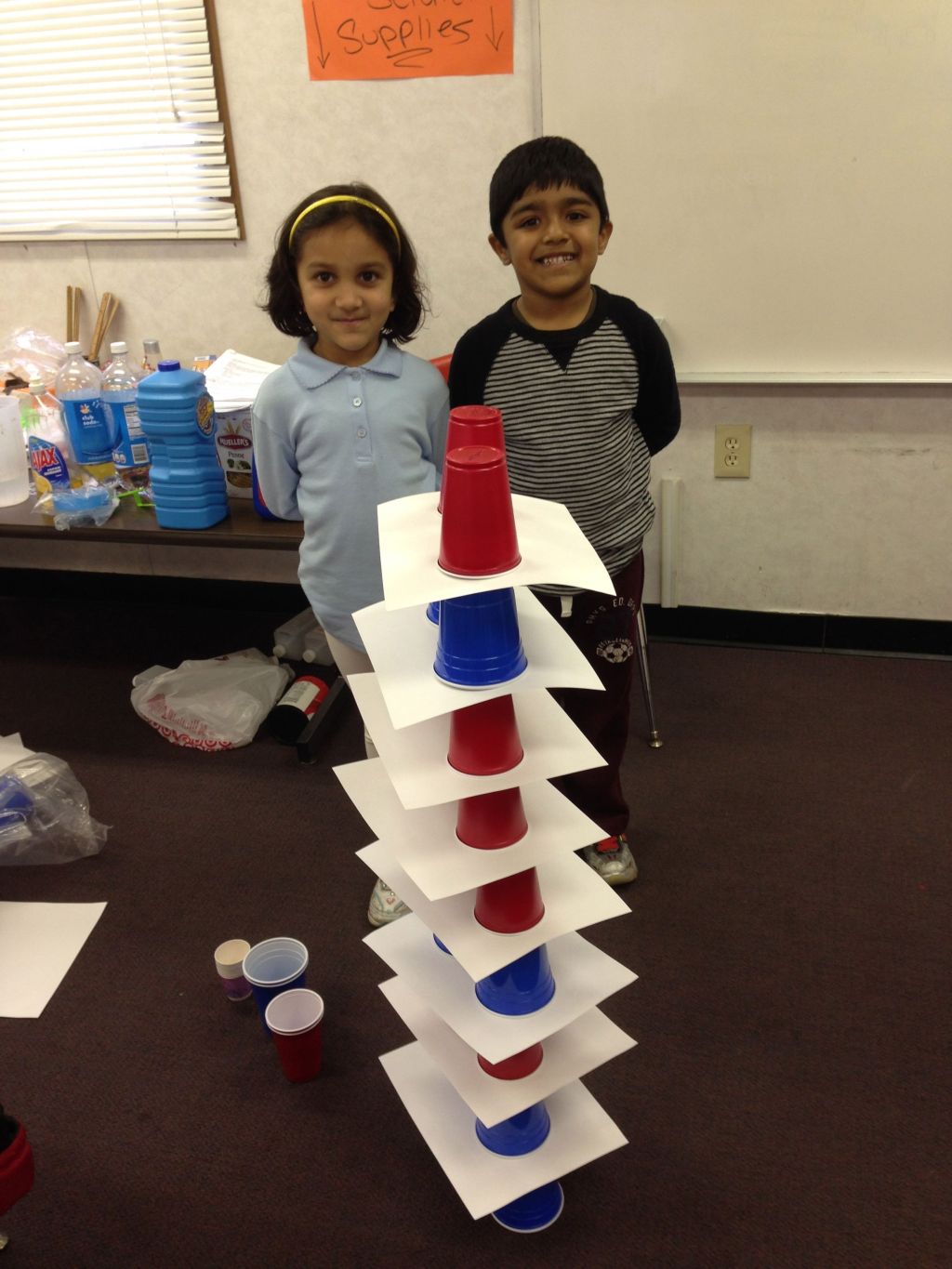
Project-based learning (PBL) is an innovative approach to education that has gained popularity in recent years, particularly for gifted students. This method of teaching allows students to explore complex problems and real-world challenges through hands-on projects, rather than traditional lectures and textbooks. Gifted students, who often crave intellectual stimulation and creative outlets, can greatly benefit…
-
Empowering Youth Through Entrepreneurship Education: A Guide to Success

Entrepreneurship education for youth is becoming increasingly important in today’s rapidly changing world. As traditional career paths evolve and new opportunities arise, equipping young people with the skills and mindset to create their own ventures is essential for their future success. In this comprehensive guide, we will explore the benefits of entrepreneurship education for youth,…
-
“Empowering Education: The Impact of Project-Based Learning on Student Engagement and Success”

Project-based learning (PBL) is a student-centered approach to education that allows students to explore real-world challenges and problems through hands-on projects. This method emphasizes collaboration, critical thinking, creativity, and communication skills while fostering a deeper understanding of the subject matter. One of the key benefits of project-based learning is its ability to engage students in…
-
Empowering Students Through Inquiry-Based Learning: Fostering Curiosity and Critical Thinking

Inquiry-based learning is a student-centered approach to education that emphasizes critical thinking, problem-solving, and exploration. This method encourages students to ask questions, investigate topics of interest, and actively engage in the learning process. During an inquiry-based learning session, students are encouraged to explore a topic or concept through various resources such as books, articles, videos,…
-
Navigating Peer Assessment in Alternative Schools: Challenges and Opportunities

Peer assessment in alternative schools poses unique challenges and opportunities. In these environments, where traditional grading systems may not align with the philosophy of the school, peer assessment can play a crucial role in evaluating student learning and growth. However, implementing peer assessment requires careful consideration to ensure its effectiveness. One major challenge is cultural…
-
“Unlocking the Future: The Power of STEAM Education in Fostering Curiosity, Critical Thinking, and Collaboration”
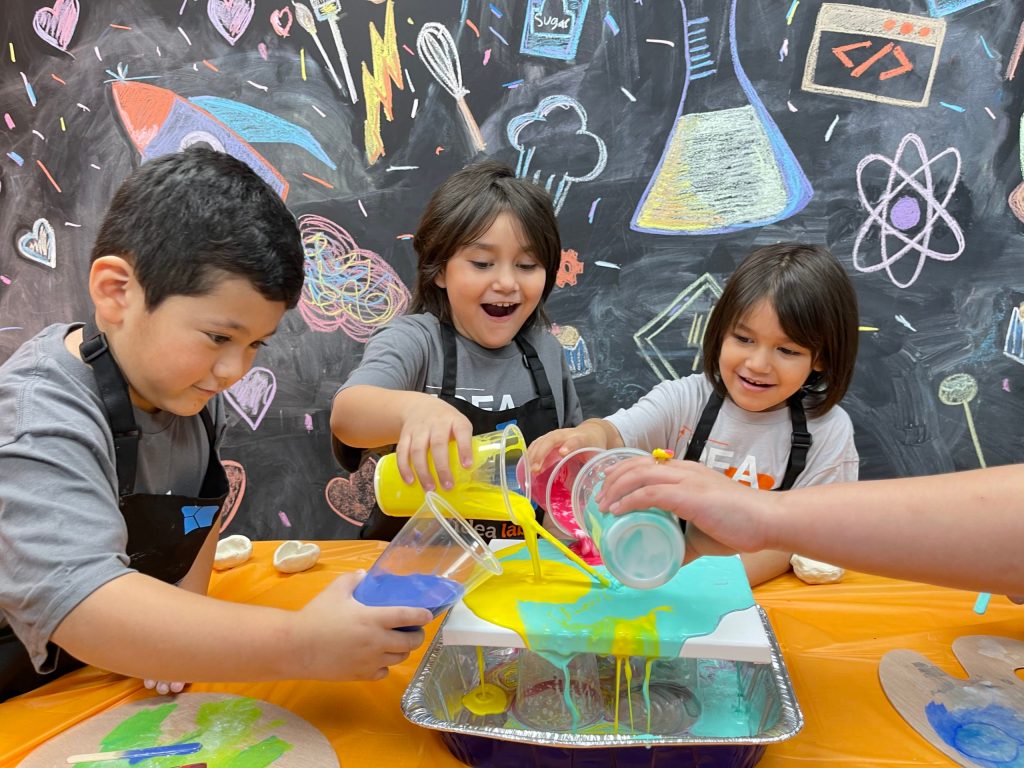
In today’s ever-evolving world, the importance of STEAM (Science, Technology, Engineering, Arts, and Mathematics) education cannot be overstated. This interdisciplinary approach to learning is designed to prepare students for the challenges and opportunities of the 21st century. By integrating these subjects into a cohesive curriculum, STEAM education encourages critical thinking skills, problem-solving abilities, creativity, innovation,…
-
Fostering Creativity and Expression: The Power of Arts Education in Alternative Schools
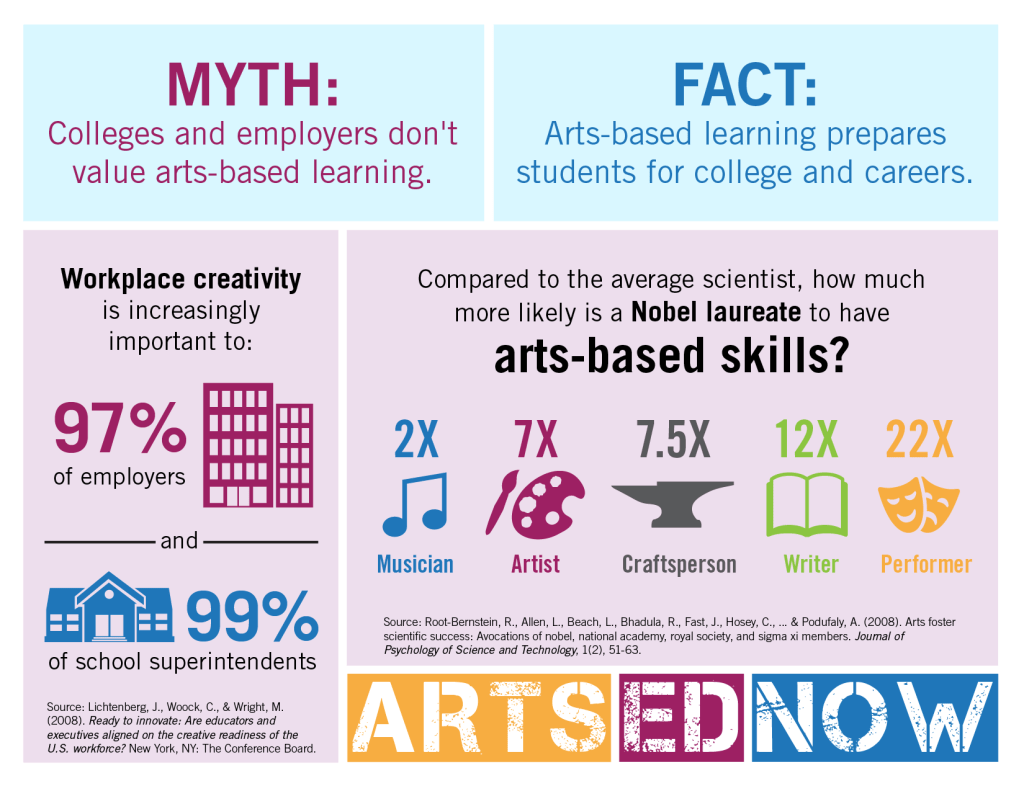
Arts Education: Fostering Creativity and Expression in Alternative Schools Introduction: In the realm of alternative schooling and education, arts play a pivotal role in fostering creativity, self-expression, and critical thinking. While traditional educational systems often prioritize academic subjects like math and science, alternative schools recognize the importance of providing a well-rounded education that includes arts…
 Alternative Amie