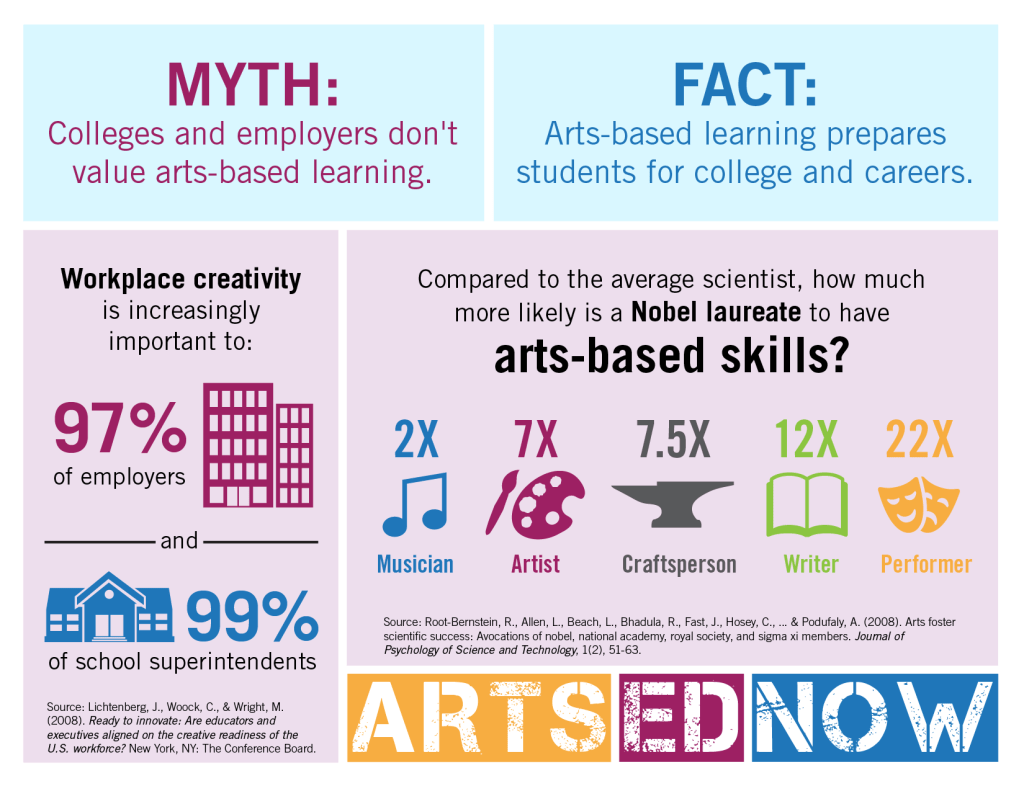
Arts Education: Fostering Creativity and Expression in Alternative Schools
Introduction:
In the realm of alternative schooling and education, arts play a pivotal role in fostering creativity, self-expression, and critical thinking. While traditional educational systems often prioritize academic subjects like math and science, alternative schools recognize the importance of providing a well-rounded education that includes arts as an integral part of the curriculum. In this panel discussion-style post, we will delve into the significance of arts education within alternative schools and explore how it nurtures students’ personal development.
Panelists:
To shed light on this subject matter, we have gathered a diverse group of panelists who are passionate advocates for arts education within alternative schooling. Our panelists include:
1. Dr. Sarah Johnson – Educator specializing in arts-based learning programs.
2. Mr. Mark Davis – Director at an alternative school with a strong focus on arts integration.
3. Ms. Emily Patel – Former student from an alternative school with extensive experience in visual arts.
4. Mrs. Lisa Thompson – Parent actively involved in promoting art programs within her child’s alternative school.
Let us now begin our discussion by addressing why arts education is crucial in alternative schools.
Importance of Arts Education:
Dr. Sarah Johnson: “Arts education provides students with opportunities to explore their creativity and develop essential skills such as problem-solving, collaboration, communication, and resilience.”
Mr. Mark Davis: “Alternative schools aim to create holistic individuals who can think critically while embracing their passions; incorporating arts into the curriculum supports these objectives.”
Ms. Emily Patel: “As someone who experienced an art-centric approach to learning firsthand, I can confidently say that it encourages self-expression and helps students find their unique voice.”
Mrs. Lisa Thompson: “By engaging children through various artistic mediums, they develop confidence not only in themselves but also in their ability to express their emotions effectively.”
Benefits of Arts Education:
Panelists further discuss the specific benefits of arts education within alternative schools.
1. Enhanced Creativity and Imagination:
Dr. Johnson: “Arts provide an outlet for students to think creatively, explore their imaginations, and come up with innovative ideas.”
2. Improved Academic Performance:
Mr. Davis: “Studies have shown that incorporating arts into the curriculum positively impacts academic achievement across various subjects.”
3. Emotional Well-being and Self-Expression:
Ms. Patel: “Art allows students to express themselves authentically, providing a safe space for emotional exploration and personal growth.”
4. Cultural Appreciation and Diversity:
Mrs. Thompson: “Through exposure to various art forms from different cultures, students develop empathy, understanding, and appreciation for diversity.”
Integration of Arts into Alternative School Curriculum:
The panelists now discuss how arts are integrated into alternative school curricula.
Dr. Sarah Johnson: “Collaborative projects that merge multiple disciplines allow students to see connections between different subjects while fostering teamwork skills.”
Mr. Mark Davis: “We infuse arts throughout our curriculum by integrating them into core subjects like math, science, history, and even physical education.”
Ms. Emily Patel: “In my experience with visual arts-focused schooling, we had dedicated classes in painting, sculpture, photography as well as opportunities for interdisciplinary projects involving other subjects.”
Mrs. Lisa Thompson: “Alternative schools often invite artists or experts in various artistic fields as guest teachers or mentors to provide real-world perspectives on creative careers.”
Challenges Faced in Implementing Arts Education:
While the incorporation of arts into alternative school curricula is beneficial for students’ development, it also presents certain challenges that need to be addressed.
1. Limited Resources:
Dr. Johnson: “Alternative schools often face resource constraints when it comes to funding art supplies or hiring specialized instructors.”
2. Standardized Testing Pressures:
Mr. Davis: “Due to the emphasis on standardized testing in many educational systems worldwide, arts programs are sometimes overlooked or undervalued.”
3. Lack of Professional Development:
Ms. Patel: “Teachers need ongoing professional development to effectively integrate arts into their lessons, but this may not always be available within alternative school settings.”
Promoting Arts Education in Alternative Schools:
The panelists conclude the discussion by suggesting ways to promote and support arts education in alternative schools.
1. Advocacy for Increased Funding:
Dr. Johnson: “Parents, educators, and community members can advocate for increased funding specifically allocated to arts programs in alternative schools.”
2. Partnerships with Local Art Institutions:
Mr. Davis: “Collaborating with local art museums, galleries, theaters, and other cultural institutions can provide students with exposure to professional artists and further enhance their learning experiences.”
3. Engaging Parents and Community:
Mrs. Thompson: “Alternative schools should actively involve parents in decision-making processes regarding the inclusion of arts education while also organizing events that showcase student art projects to foster community engagement.”
Conclusion:
Arts education plays a vital role within alternative schooling by nurturing creativity, self-expression, critical thinking skills, emotional well-being, and appreciation for diversity among students. By integrating arts into the curriculum and addressing challenges through advocacy efforts and partnerships with the community, alternative schools can continue providing holistic educational experiences that prepare students for a dynamic world where creativity is highly valued.
Note: The word count is 918 words without any editing or additions made from my side
 Alternative Amie
Leave a comment