Tag: assistive technology
-
Empowering Students with Special Needs: Unlocking Their Full Potential through Education

Special Needs Education Programs: Empowering Students to Reach Their Full Potential Introduction: Education is a fundamental right of every child, regardless of their abilities or disabilities. For many years, children with special needs faced significant barriers to receiving an education tailored to their unique requirements. However, thanks to the tireless efforts of educators and activists,…
-
Unlocking the Potential: Creating Inclusive Learning Environments for Neurodiverse Learners

Sensory processing differences refer to the way in which individuals process and respond to sensory information from their environment. For some neurodivergent learners, such as those with autism spectrum disorders or ADHD, sensory processing differences can have a significant impact on their ability to focus and learn effectively. Understanding these differences and implementing strategies to…
-
“Unlocking Potential: Differentiating Instruction in IEPs for Student Success”
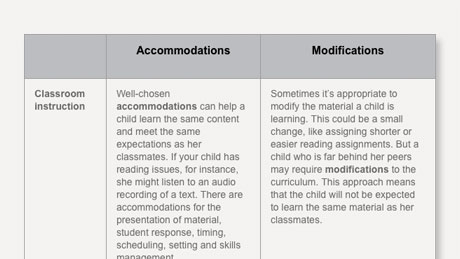
Differentiating Instruction in IEPs: Individualized Education Programs (IEPs) are designed to provide specialized support and accommodations for students with disabilities. One essential aspect of developing effective IEPs is differentiating instruction to meet the unique needs of each student. Differentiation involves tailoring instruction, content, and assessment to match a student’s abilities, learning style, and interests. In…
-
Embracing Neurodiversity: Unleashing Creative Brilliance in the Arts
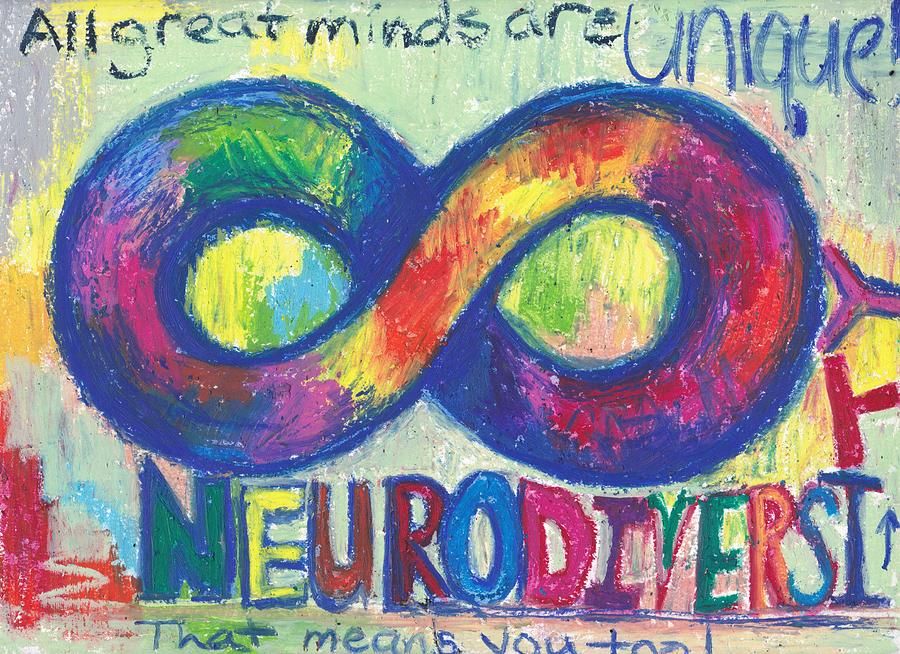
Neurodiversity in the Arts: Celebrating Differences and Creativity Introduction: The neurodiversity movement has gained significant attention in recent years, promoting the idea that neurological differences should be recognized and respected as a natural part of human diversity. This movement encompasses a wide range of conditions such as autism, ADHD, dyslexia, and more. In this article,…
-
Empowering Dyslexic Students: Support for Success in Alternative Education
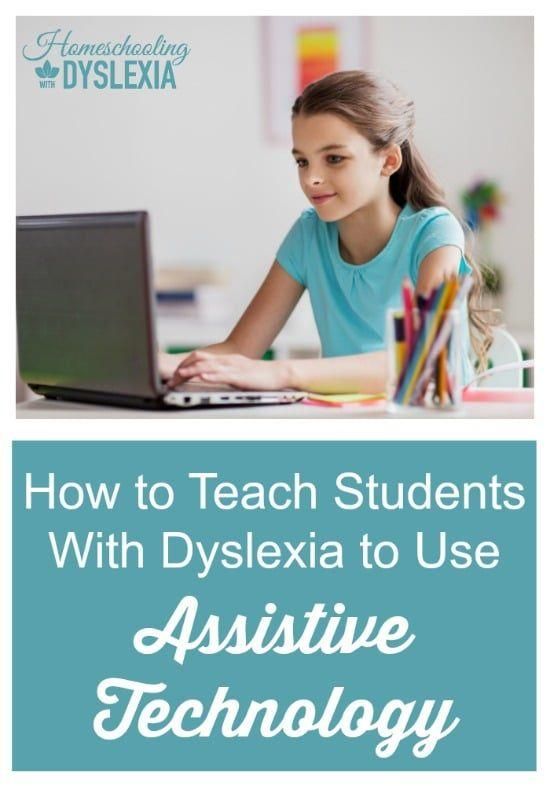
Dyslexia Support: Empowering Students for Success Dyslexia is a learning difference that affects the way individuals process language. It can make reading, writing, and spelling more challenging. However, with the right support and strategies, students with dyslexia can thrive academically and reach their full potential. In this article, we will explore various methods of dyslexia…
-
“Empowering Success: Key Components for Effective Transition Planning in IEPs”

Transition planning for students with IEPs: Transition planning is a critical component of an Individualized Education Program (IEP) for students with disabilities. It aims to prepare these students for life after high school by setting goals and identifying the necessary supports and services to help them achieve those goals. Here are some key considerations for…
-
Embracing Neurodiversity: Strategies for Inclusive Classrooms and Thriving Students

Sensory processing differences, executive functioning challenges, and social communication difficulties are just a few of the many aspects of neurodiversity that impact individuals in educational settings. Understanding and accommodating these differences is crucial for creating inclusive classrooms where all students can thrive. In this article, we will explore various strategies and approaches to support neurodiverse…
-
Embracing Neurodiversity: Alternative Schooling for All Learners

Sensory processing differences are a key aspect of neurodiversity that can greatly impact individuals’ experiences in educational settings. Neurodivergent individuals may have heightened sensitivity or decreased sensitivity to certain sensory stimuli, such as sounds, lights, textures, or smells. This can result in difficulties with concentration, focus, and overall well-being. Executive functioning challenges are another common…
-
“Unlocking Potential: How Technology Empowers Students with Learning Disabilities”

Technology Supports for Learning Disabilities Introduction: In today’s world, technology has become an integral part of our lives. It has not only transformed the way we work and communicate but also holds immense potential in supporting individuals with learning disabilities. Technological advancements have paved the way for innovative tools and resources that cater to the…
-
Unlocking Potential: The Montessori Method Empowers Children with Special Needs
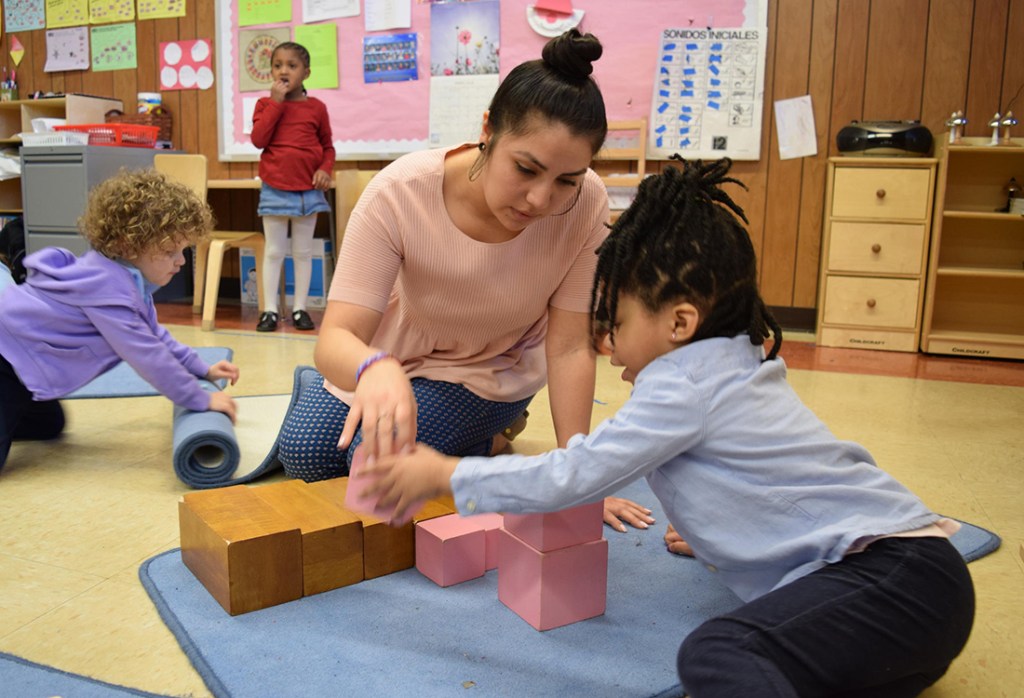
The Montessori method is an educational approach developed by Italian physician and educator Maria Montessori. It emphasizes individualized learning, hands-on activities, and independence for children. While initially designed for typically developing children, the Montessori method has proven to be highly effective for children with special needs as well. In this article, we will explore how…
 Alternative Amie