Tag: active engagement
-
“Unlocking the Power of Peer Assessment: Fostering Collaboration, Ownership, and Growth in Learning”
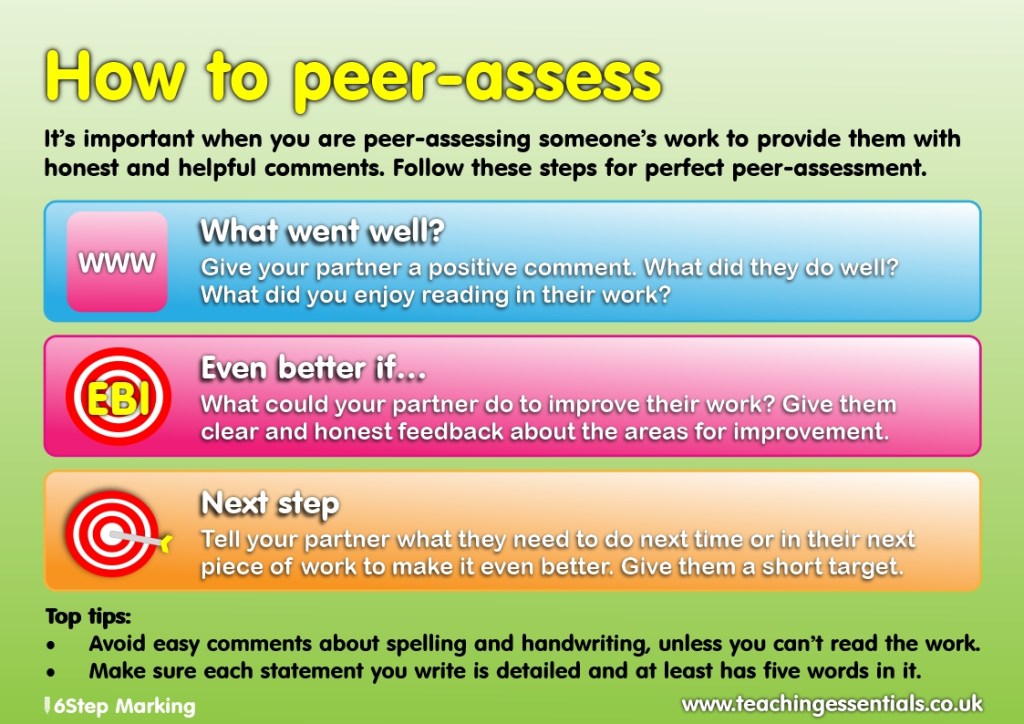
Peer assessment in collaborative learning: Collaborative learning is an approach that emphasizes teamwork, communication, and cooperation among students. One important aspect of this approach is peer assessment, which involves students evaluating each other’s work and providing feedback. Peer assessment not only helps students develop critical thinking skills but also promotes a sense of responsibility and…
-
Empowering Students: The Rise of Student-Centered Learning

Student-Centered Learning: Empowering Students to Take Ownership of their Education In the traditional education system, students often find themselves passively absorbing information, memorizing facts, and regurgitating them on exams. The focus is primarily on the teacher as the disseminator of knowledge, while students play a passive role in their own learning process. However, alternative approaches…
-
Empowering Self-Directed Learners: The Key Strategies for Alternative Education Success
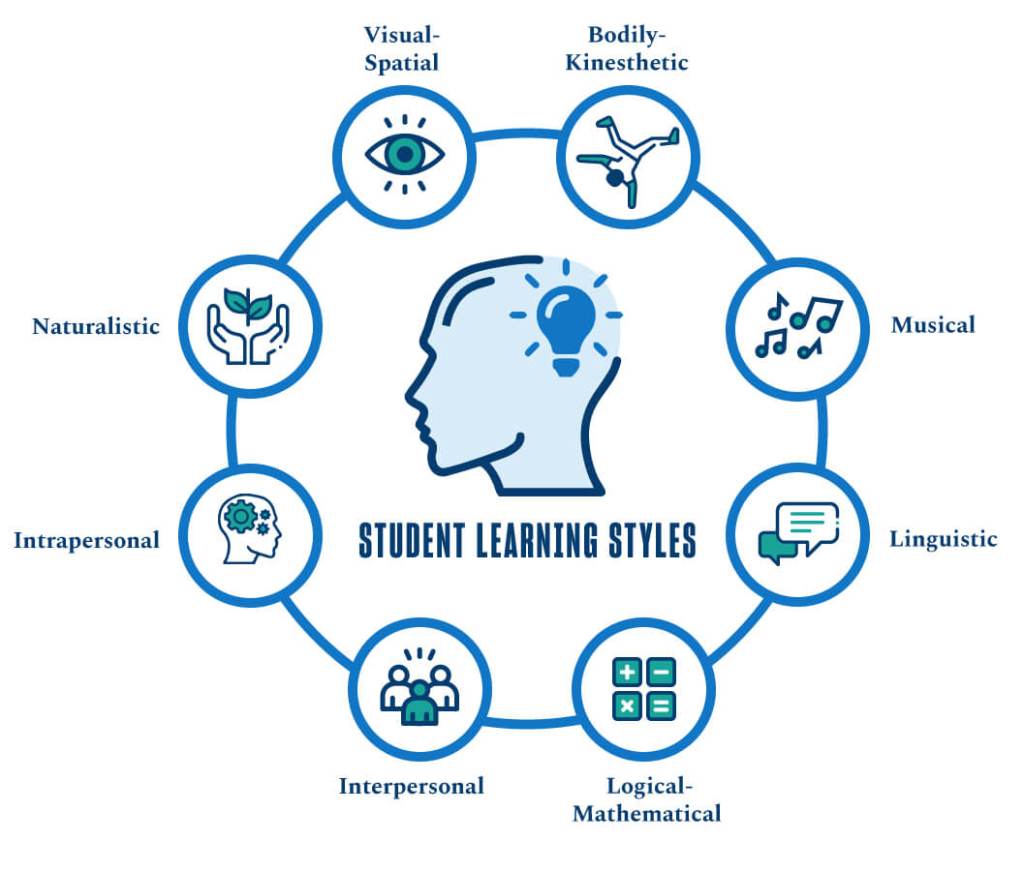
Project-based learning, experiential learning, and inquiry-based learning are all effective approaches to education that prioritize active engagement and critical thinking. These methods encourage students to learn by doing, asking questions, and investigating real-world problems. By engaging in hands-on projects or experiences, students develop a deeper understanding of the subject matter and build important skills such…
-
Empowering Students through Real-World Experiences: The Power of Project-Based Learning

Project-Based Learning: Empowering Students through Real-World Experiences In the age of information and technology, traditional methods of education are being challenged. As educators seek innovative ways to engage students and prepare them for the complex challenges of the future, project-based learning (PBL) has emerged as a powerful tool. This approach shifts the focus from rote…
-
Unlocking the Power of Peer-to-Peer Learning Online: 8 Reasons Why It’s Worth Embracing
Peer-to-peer learning, also known as collaborative learning or cooperative learning, is a powerful educational approach that allows individuals to learn from and teach each other. This method of learning has gained significant popularity in recent years, especially with the rise of online platforms that facilitate peer-to-peer interactions. In this article, we will explore eight reasons…
-
“Experience the Future of Education: The Power of Experiential Learning”

Introduction: In recent years, there has been a growing interest in alternative approaches to education that go beyond traditional classroom settings. One such approach is experiential learning, which emphasizes hands-on experiences and real-world applications of knowledge. In this interview-style post, we will explore the concept of experiential learning with an expert in the field. Interviewer:…
-
15 Reasons Why Project-Based Learning is a Game-Changer in Education
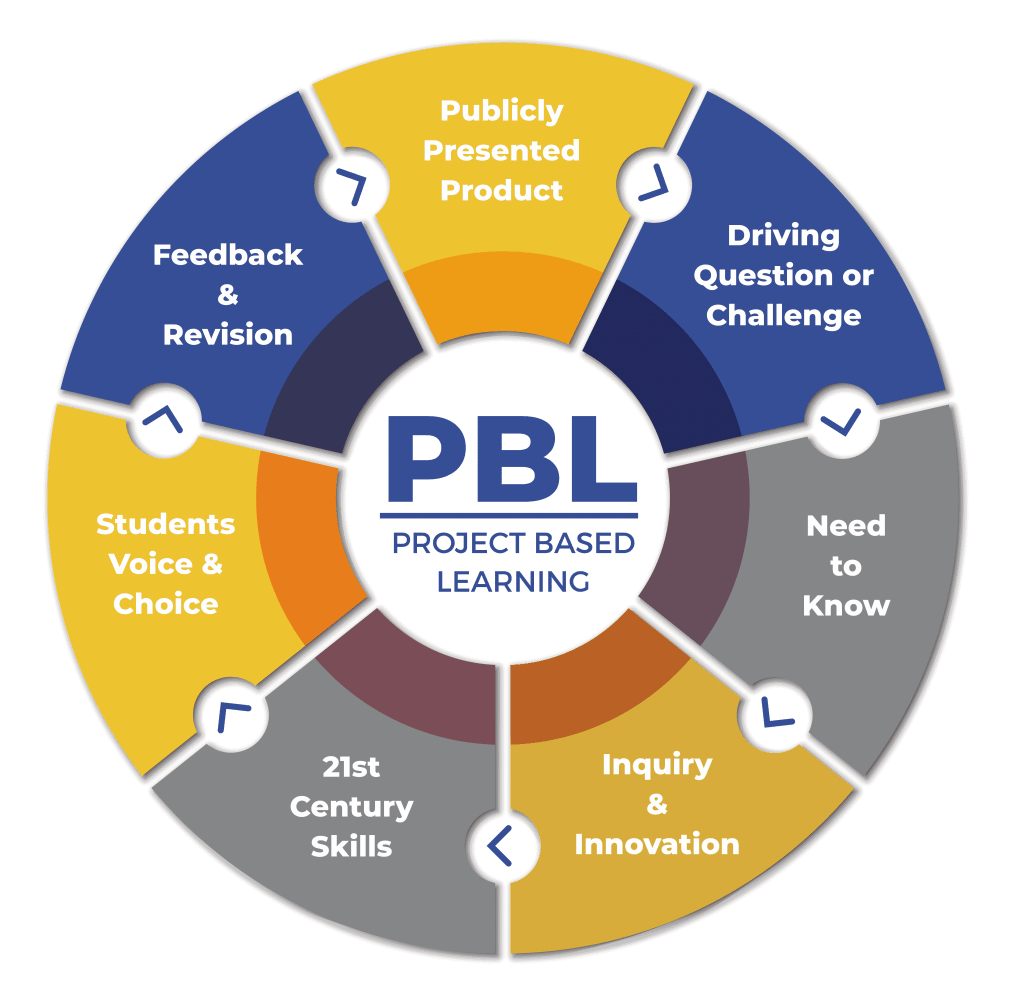
Project-based learning (PBL) is an innovative educational approach that emphasizes hands-on, real-world experiences to foster deep understanding and critical thinking skills. Unlike traditional classroom settings where students passively absorb information, PBL encourages active engagement, collaboration, and problem-solving. Here are 15 reasons why project-based learning is a game-changer in alternative schooling and education. 1. Authentic Learning:…
-
Revolutionizing Education: Competency-Based Grading Unleashes Personalized Learning Potential
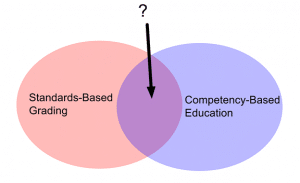
Competency-based grading is a revolutionary approach to assessing student learning that focuses on mastery of specific skills rather than traditional letter grades. This method shifts the emphasis from seat time and memorization to a more personalized and meaningful education experience. By measuring students’ proficiency in key areas, competency-based grading promotes deeper understanding, critical thinking, and…
-
Empowering Education: The Power of Student-Led Discussions

Student-led discussions are an essential aspect of alternative schooling and education. These discussions offer students the opportunity to take control of their learning, develop critical thinking skills, and engage in meaningful conversations with their peers. In this article, we will explore the benefits of student-led discussions and provide some tips for educators on how to…
-
“Unlocking Minds: How Collaborative Learning Sparks Critical Thinking Skills”

Promoting Critical Thinking Through Collaborative Learning Education is a vital aspect of our society, shaping the minds of future generations and preparing them for the challenges that lie ahead. However, traditional teaching methods often focus on rote memorization and regurgitation of information, leaving little room for critical thinking skills to develop. That’s where collaborative learning…
 Alternative Amie