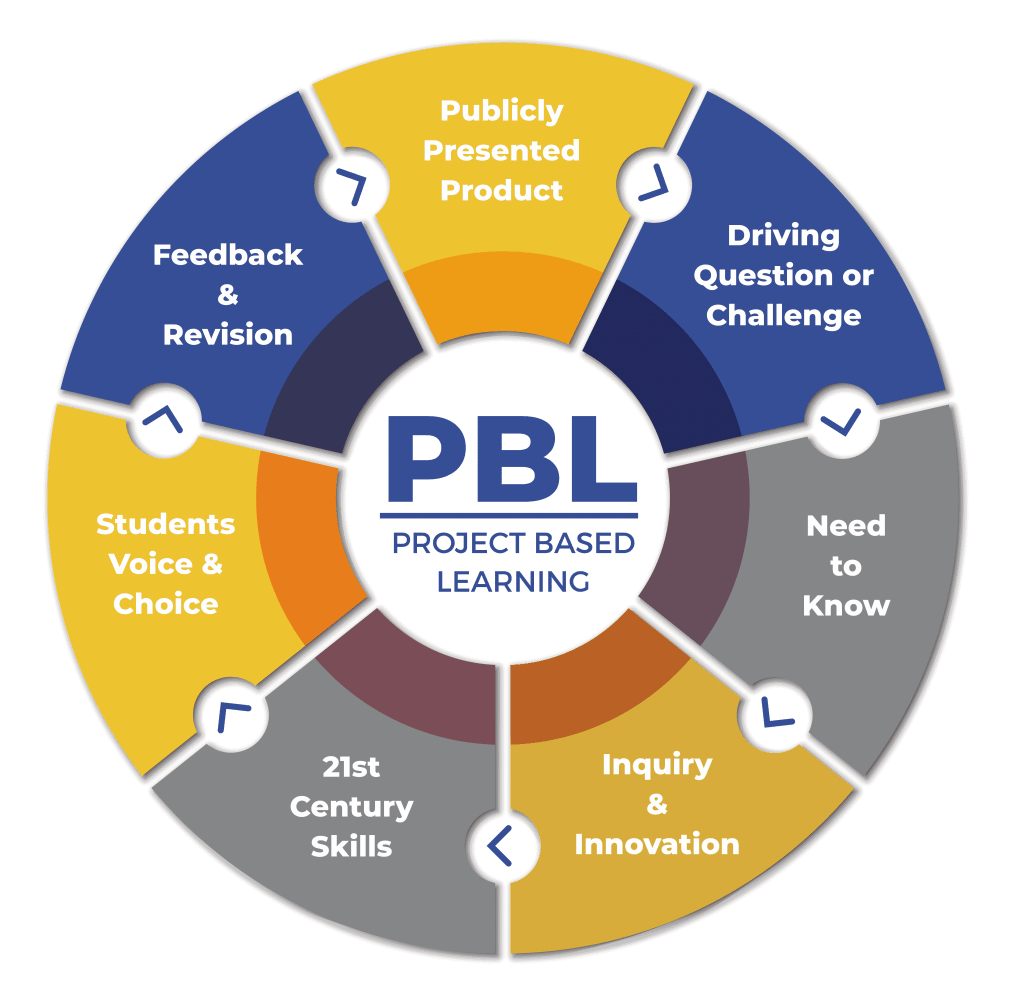
Project-based learning (PBL) is an innovative educational approach that emphasizes hands-on, real-world experiences to foster deep understanding and critical thinking skills. Unlike traditional classroom settings where students passively absorb information, PBL encourages active engagement, collaboration, and problem-solving. Here are 15 reasons why project-based learning is a game-changer in alternative schooling and education.
1. Authentic Learning: Through PBL, students tackle real-world problems or challenges, making their learning experience more relevant and meaningful. This approach helps them connect academic content with practical applications.
2. Active Engagement: PBL promotes active participation by immersing students in projects that require research, analysis, creativity, and decision-making. This fosters motivation and curiosity as they become invested in their own learning process.
3. Collaboration Skills: Working on projects requires teamwork and effective communication skills. Students learn how to collaborate with peers from diverse backgrounds while respecting different perspectives – a valuable skill for success in the modern workforce.
4. Critical Thinking: By engaging in complex projects that involve problem-solving and decision-making processes, students develop analytical thinking abilities essential for navigating everyday challenges.
5. Autonomy and Ownership: In project-based learning environments, students have greater autonomy over their work process and choices within the project framework. This empowers them to take ownership of their education while developing self-management skills.
6. Creativity Unleashed: PBL provides opportunities for creative expression as students design solutions or products related to their projects. It nurtures innovation by encouraging out-of-the-box thinking through brainstorming sessions or prototype development.
7. Cultivating Curiosity: Projects often lead to questions that require further exploration beyond the curriculum’s scope alone – this stimulates curiosity among learners who actively seek answers through independent research or collaborations with experts in various fields.
8. Cross-Disciplinary Connections: Project-based learning allows integration of multiple subjects into one cohesive project so that learners can see how different disciplines intersect and complement each other in real-world scenarios.
9. Real-Life Skills: PBL helps students develop a range of critical life skills such as time management, problem-solving, adaptability, resilience, and effective communication – all essential for success beyond the classroom.
10. Intrinsic Motivation: As students engage in projects that align with their interests and passions, they experience intrinsic motivation – a powerful driving force that promotes deep learning and personal growth.
11. Long-term Retention: PBL facilitates long-term retention of knowledge by connecting concepts to practical applications. Students are more likely to retain information when it is tied to memorable experiences encountered during project work.
12. Assessment Redefined: Traditional assessments often focus on memorization or regurgitation of facts. In PBL, assessment methods shift towards measuring deeper understanding, creativity, problem-solving abilities, collaboration skills, and reflection on the learning process itself.
13. Enhanced Communication Skills: Through project work involving presentations or collaborative discussions with peers and experts outside the classroom (e.g., community members), students develop strong verbal and written communication skills.
14. Global Citizenship: Many projects involve addressing global issues like climate change or social inequality that encourage students to think critically about their role as responsible citizens in a global context.
15. Lifelong Learning Mindset: By engaging in project-based learning activities throughout their education journey, students cultivate a lifelong love for learning while gaining transferable skills applicable across various careers or academic pursuits.
In conclusion, project-based learning stands out as an effective alternative educational approach due to its emphasis on authentic experiences, active engagement, collaboration skills development, critical thinking enhancement; promotion of autonomy; fostering creativity; cultivating curiosity; integration of subjects; nurturing real-life skills; intrinsically motivating learners; facilitating long-term retention; redefining assessment practices; enhancing communication competencies; promoting global citizenship awareness; and fostering a lifelong love for learning among students. Incorporating PBL into alternative schooling and education can help prepare students for success in the ever-changing world they will face.
 Alternative Amie
Leave a comment