-
Revolutionizing Education: Trends and Technologies Shaping Alternative Schooling
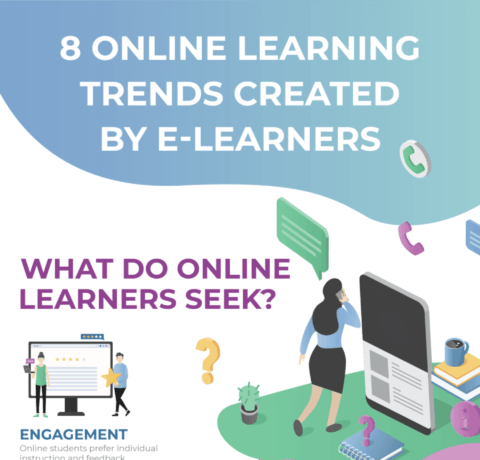
The digital age has brought about a revolution in education, offering innovative ways for students to learn and engage with their studies. From flipped classrooms to virtual field trips, online learning platforms are continually evolving to provide a more interactive and personalized educational experience. In this comprehensive roundup, we’ll explore various trends and technologies shaping…
-
Innovative Education: Exploring Alternative Approaches to Learning

Project-based learning is a teaching method that immerses students in real-world projects to acquire knowledge and develop skills. By working on projects, students gain hands-on experience, collaborate with peers, and engage in critical thinking and problem-solving. This approach fosters creativity, independence, and a deeper understanding of the subject matter as students actively participate in their…
-
Revolutionizing Education: Alternative Assessments Transforming Student Learning

Assessment is a critical component of education, providing valuable insights into students’ learning progress and accomplishments. In traditional educational settings, assessments often take the form of standardized tests, quizzes, and essays. However, alternative assessment methods offer educators and students more diverse ways to evaluate learning outcomes that go beyond traditional measures. Peer assessment involves students…
-
Exploring the Wild: The Importance of Nature Studies in Alternative Education
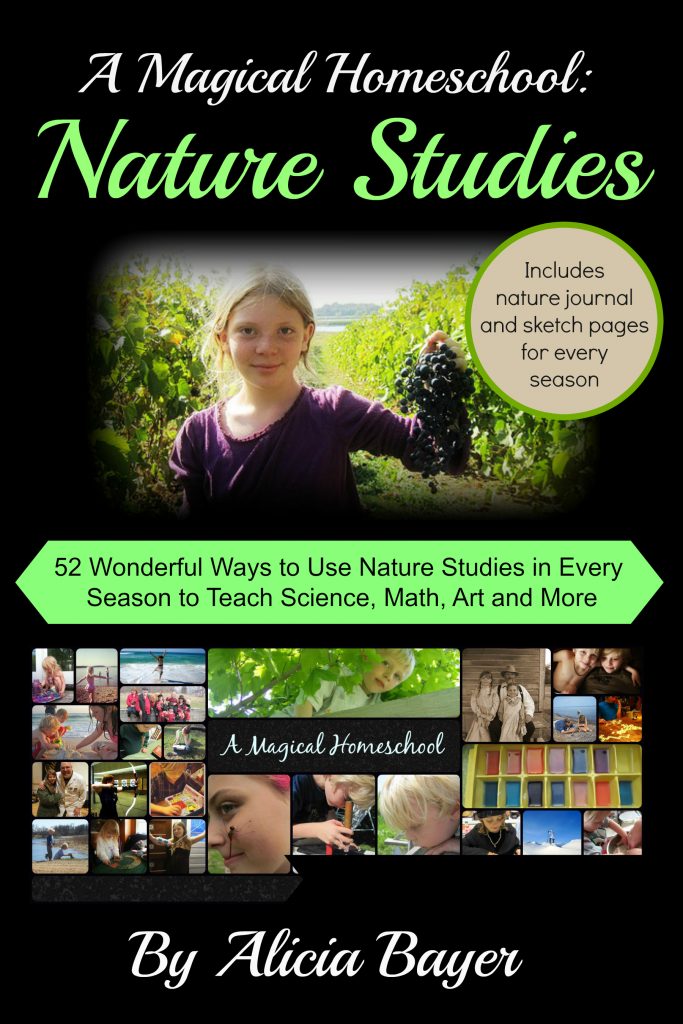
Nature Studies: Nature studies are a crucial component of alternative education as they provide students with the opportunity to connect with the natural world, develop an appreciation for biodiversity, and cultivate environmental stewardship. Through hands-on experiences and immersive learning activities, students can deepen their understanding of ecological systems, conservation practices, and sustainable living. 1. What…
-
Unschooling: Nurturing Curiosity, Empowering Learners
Child-led learning, also known as unschooling, is a philosophy of education that values individual interests and natural curiosity. This approach believes that children learn best when they are allowed to pursue their passions and explore the world around them at their own pace. Unschooling is a form of self-directed education where children are in charge…
-
Navigating the Challenges of Implementing Multiage Classrooms

Implementing multiage classrooms comes with its own set of challenges that educators need to navigate. One of the primary challenges is curriculum development. Teachers must design a curriculum that meets the diverse needs and abilities of students spanning different grade levels. This requires careful planning to ensure that all students are appropriately challenged and supported…
-
Exploring the Controversies and Charms of Waldorf Education

Waldorf education, founded by Rudolf Steiner in the early 20th century, is known for its unique approach that emphasizes holistic development and a balance between academics, arts, and practical skills. One key aspect of Waldorf education is its approach to technology. Waldorf schools often limit or even completely exclude the use of technology in classrooms,…
-
“Unlocking Urban Learning: The Benefits of Unschooling for Children in Cities”
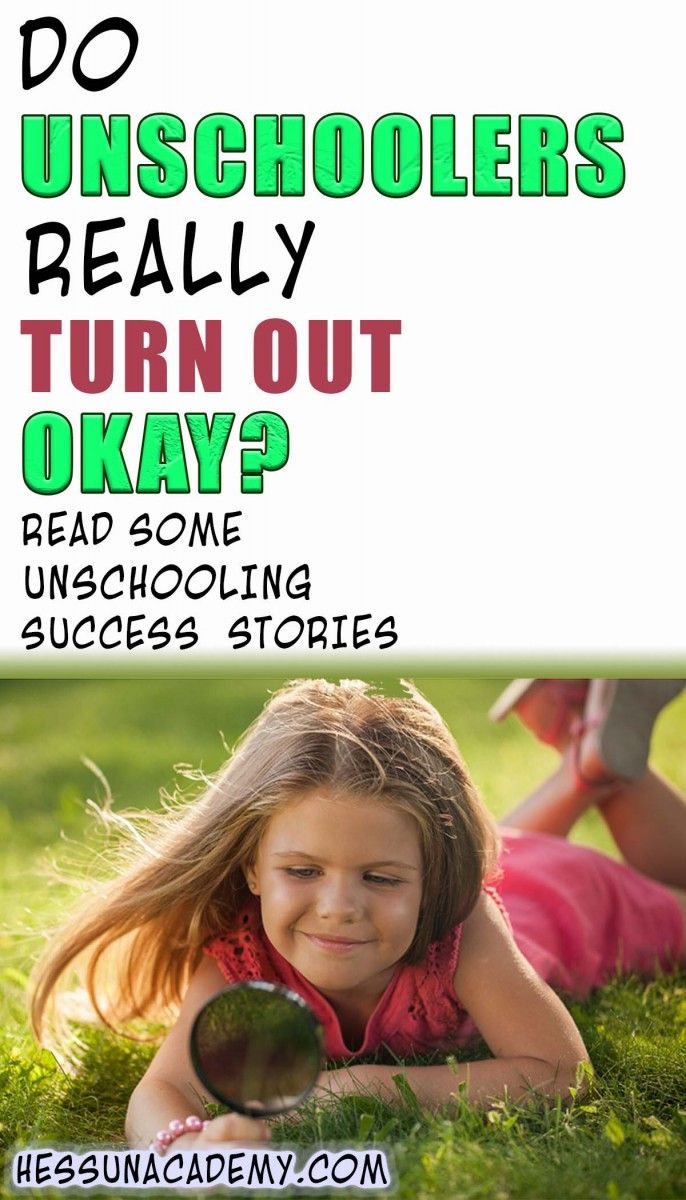
Unschooling in urban environments can provide a unique and enriching experience for children who may not have access to traditional schooling options. In cities, children have the opportunity to learn from a variety of resources such as museums, art galleries, cultural events, and community programs. Parents can take advantage of these urban resources to create…
-
Empowering Neurodiverse Learners: Fostering Inclusion and Creativity in Education

Neurodiversity is a concept that recognizes and respects the diversity of human brains and minds. It acknowledges that individuals may have different ways of processing information, interacting with their environment, and learning. One key aspect of neurodiversity is sensory processing differences in neurodiverse individuals. Sensory sensitivities or challenges can significantly impact how a person experiences…
-
Unleashing the Power of Authentic Assessments in Education

Authentic assessments have become increasingly popular in the realm of education as a more effective way to evaluate students’ understanding and skills. Unlike traditional standardized tests that rely on multiple-choice questions, authentic assessments focus on real-world applications and tasks that are relevant to students’ lives. This approach not only provides a more accurate representation of…
-
Subscribe
Subscribed
Already have a WordPress.com account? Log in now.
 Alternative Amie