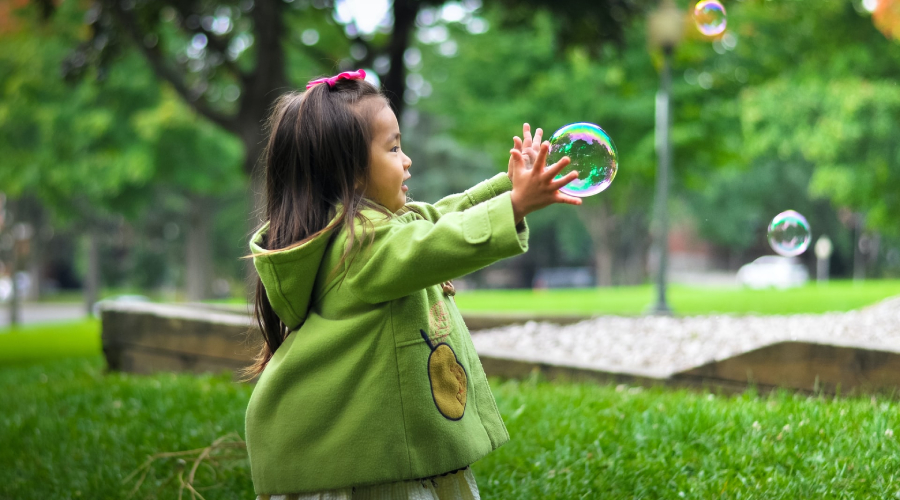
Child-led learning, also known as unschooling, is a philosophy of education that values individual interests and natural curiosity. This approach believes that children learn best when they are allowed to pursue their passions and explore the world around them at their own pace. Unschooling is a form of self-directed education where children are in charge of their learning process with minimal adult intervention.
Interest-based curriculum is a key component of unschooling. Instead of following a predetermined set curriculum, unschoolers focus on what interests them the most. This can lead to deep engagement and motivation as children delve into subjects they are passionate about. By allowing children to choose what they want to learn, interest-based curriculum encourages intrinsic motivation and fosters a love for lifelong learning.
Project-based learning is another aspect of unschooling that emphasizes hands-on experiences and real-world applications. Children engage in projects that align with their interests, working on tasks that require critical thinking, problem-solving, and creativity. Projects can range from building a robot to writing a novel, providing valuable opportunities for practical skills development.
Unschooling vs homeschooling is often misunderstood as being the same thing when they actually have distinct differences. While homeschooling usually involves following a structured curriculum at home with parental guidance, unschooling focuses on child-led learning without formal lessons or schedules.
The unschooling philosophy is based on trust in children’s innate ability to learn through exploration and play. It rejects traditional schooling methods like standardized testing and grades in favor of personalized learning experiences tailored to each child’s unique needs and strengths.
There are various resources available for families interested in unschooling. Online communities provide support, advice, and networking opportunities for parents navigating this educational path with their children. Books such as “The Unschooling Handbook” by Mary Griffith offer practical tips and insights into how unschooling can work effectively.
Success stories abound within the unschooling community, showcasing how this approach can lead to empowered learners who go on to pursue fulfilling careers based on their passions and interests rather than societal expectations.
Misconceptions about unschooling include concerns about socialization, college admissions, and academic rigor. However, research shows that unschooled children often excel academically due to their intrinsic motivation and strong sense of autonomy over their learning journey.
Teenagers can thrive in an unschooling environment by exploring diverse subjects according to their interests while developing important life skills such as time management, self-discipline, communication, and critical thinking.
Socialization remains an essential aspect of unschooling despite misconceptions suggesting otherwise. Through community involvement activities like sports teams or volunteer work along with regular interactions with peers outside formal schooling settings contribute positively towards social development among unschooled children.
College admissions for unschooled students may differ from traditional applicants but many colleges recognize the value of self-directed learners who demonstrate initiative through independent projects or alternative assessments like portfolios instead of standardized test scores.
Unschooling practices vary across different cultures reflecting unique values regarding education systems yet core principles remain consistent: prioritizing individual growth through personalized pathways driven by curiosity & passion rather than conformity & compliance prevalent in conventional schooling models globally
Special needs children benefit from the flexibility offered by an individualized approach like unschooIIng which allows accommodations tailored specifically addressing each child’s unique challenges ensuring optimal support throughout their educational journey
Technology plays an integral role in modern-day UnschooIIng offering limitless resources tools platforms opening up endless possibilities expanding horizons enabling exploration innovation enhancing collaborative opportunities empowering personalized digital-rich interactive experiences
Outdoor education complements Unschоoling promoting holistic development connecting learners nature fostering appreciation environmental stewardship nurturing physical mental well-being enriches experiential contextual understanding enhancing creative interdisciplinary explorations
Parents act facilitators guides mentors supporters respecting autonomy encouraging independence fostering healthy relationships cultivating safe nurturing environments collaborating co-learners embracing shared discoveries mutual growth promoting lifelong bonds enriched family dynamics
Community support vital Unsсhоolers thriving inclusive environments sharing resources ideas experiences collaborating co-learning networks creating supportive ecosystems empowering individuals strengthening collective impact celebrating diversity unity common goals aspirations
Life skills integral part Unschоoling encompass personal financial management effective communication emotional intelligence conflict resolution critical thinking decision-making problem-solving adaptability resilience teamwork leadership collaboration empathy self-care mindfulness
Creativity flourishes vibrant Unsсhоoling environments embracing experimentation innovation expression providing freedom explore imagination cultivate originality discover new perspectives develop artistic talents creative pursuits unleashing boundless potential manifest impactful contributions society
 Alternative Amie
Leave a comment