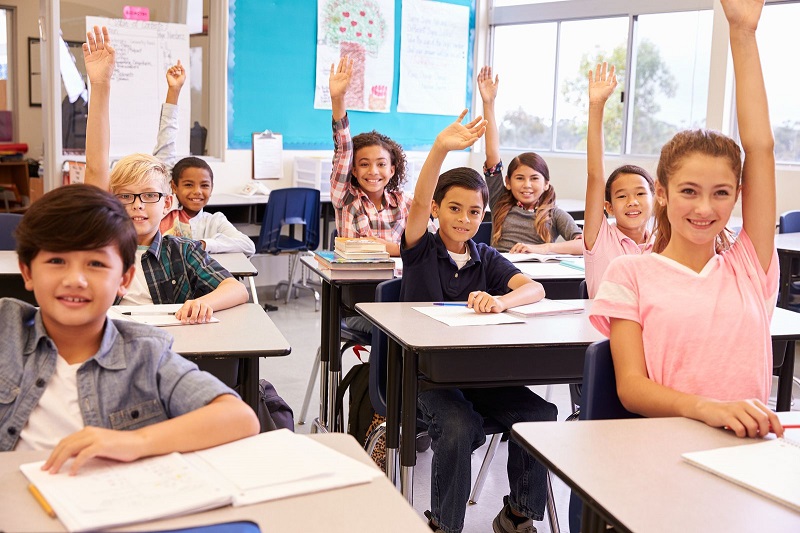
Alternative schooling and education have been gaining popularity in recent years as more parents and students seek unconventional ways of learning that cater to individual needs and interests. From homeschooling to online courses to specialized programs, there are diverse options available for those looking for an alternative approach to education. Here are the top 10 alternative schooling and education methods worth considering:
1. Homeschooling: Homeschooling allows parents to educate their children at home instead of sending them to traditional schools. This method provides flexibility in terms of curriculum, schedule, and teaching methods, allowing for a personalized learning experience tailored to the child’s unique needs.
2. Montessori Education: Developed by Dr. Maria Montessori, this approach emphasizes self-directed learning, hands-on activities, and mixed-age classrooms. Students learn at their own pace and explore subjects based on their interests, fostering independence and creativity.
3. Waldorf Education: Waldorf schools focus on holistic development by integrating academics with arts, music, movement, and nature-based activities. The curriculum is designed to nurture imagination, critical thinking skills, and emotional intelligence.
4. Unschooling: Unschooling is a student-driven approach where children pursue their interests and passions without a structured curriculum or formal lessons. Instead of following a set syllabus, unschooled students learn through real-life experiences, exploration, and self-discovery.
5. Online Learning: With the advancement of technology, online learning has become increasingly popular as an alternative to traditional classroom settings. Virtual schools offer flexible schedules, interactive lessons, and access to a wide range of courses from anywhere with an internet connection.
6. Forest Schools: Forest schools immerse students in outdoor environments where they engage in hands-on activities such as nature walks, gardening, wildlife observation, and survival skills training. This approach promotes environmental awareness, physical health, teamwork skills,and resilience.
7 Progressive Schools: Progressive schools prioritize experiential learning,social justice,critical thinking,personal growth,and community involvement over standardized testingand rote memorization.Teachers act as facilitators rather than lecturers,enabling students todirecttheir ownlearningand developlifelongskillsfor successintoday’s ever-changingworld
8 Sudbury Schools:Sudbury schools operateontheprincipleofdemocraticeducationwherestudentshaveequal voicein decision-makingprocessesandarefreetoexploretheirinterestsindividuallyor collaboratively.Studentslearnattheirownpaceandeverydayactivitiesareself-directed
9 Reggio Emilia Approach:The Reggio Emilia approachemphasizescreativeexpression,collaboration,andproject-basedlearning.Studentsusevarious art mediums,to documenttheirideasanddiscoveries,fosteringcommunicationandsocialskillsaswellascreativityandinquiry
10 Dual Language Programs:Dual language programsimmersestudentsinsimultaneous instructionin two languagesaimingtodevelopbilingualism,biliteracy,culturalawareness,andacademicachievement.Thisapproachencouragesdiversity,inclusivity,andglobalperspectivesamongstudentsandenables themtocommunicateeffectivelyinmultilingualsettings
In conclusion,the worldofalternative schoolingandeducation offersavarietyofinnovative approachesdesignedtoprovidepersonalizedandrelevantlearningexperiencestoalltypesoflearners.Whether you’reseekingfexibility,self-direction,hands-onexperiences,differentculturalexposureorexpertiseinearlychildhooddevelopment,you’relikelytofindanoptionthatfitsyourneedsandpreferences.Thesealternativeeducationalmethodsreflectthediversewaysthatpeoplelearnandleverageindividualstrengthsandintereststosucceedinthefast-pacedandrpidlychangingworldwe livein today
 Alternative Amie
Leave a comment