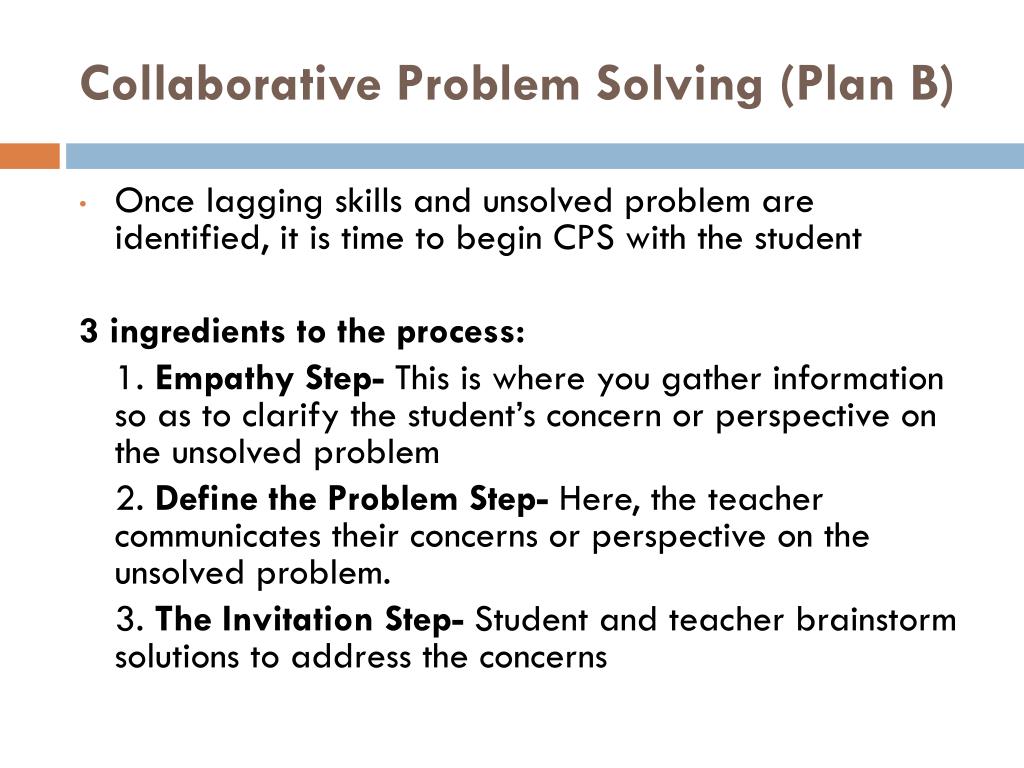
Collaborative Problem-Solving Skills Development: Fostering Success in Alternative Education
Introduction:
In today’s rapidly changing world, traditional educational models are being challenged to meet the evolving needs of students. As a result, alternative schooling and education options have gained popularity for their innovative approaches to learning and personal development. One crucial skill that is often emphasized in these alternative settings is collaborative problem-solving. In this article, we will explore the importance of collaborative problem-solving skills development and how it can foster success in alternative education.
What are Collaborative Problem-Solving Skills?
Collaborative problem-solving skills refer to the ability to work effectively with others to analyze a situation, identify potential solutions, and implement an action plan collectively. These skills involve effective communication, active listening, empathy, critical thinking, creativity, adaptability, conflict resolution abilities, and a willingness to collaborate.
Importance of Collaborative Problem-Solving Skills Development:
1. Real-world Application: In the real world outside the classroom walls, individuals rarely work alone; instead, they are required to collaborate with others across various domains. Developing collaborative problem-solving skills equips students with essential tools for success beyond academics by preparing them for teamwork in professional settings.
2. Enhanced Learning Experience: Collaboration encourages active engagement among learners as they exchange ideas and knowledge from diverse perspectives. By working together on complex problems or projects that go beyond textbooks’ scope allows students not only to deepen their understanding but also develop critical-thinking abilities.
3. Social-Emotional Growth: Collaborating on projects fosters social-emotional growth by encouraging empathy towards team members’ strengths and weaknesses while building trust within groups. This process helps students become more self-aware while developing interpersonal skills such as leadership qualities and conflict resolution abilities—essential traits for navigating personal relationships later in life.
4. Promoting Creativity and Innovation: Collaboration promotes brainstorming sessions where multiple perspectives come together to generate new ideas or solutions that may not have been possible individually. By encouraging students to think outside the box and challenge established norms, collaborative problem-solving skills development paves the way for creative thinking and innovative approaches.
5. Experiential Learning: Alternative education models often emphasize experiential learning, where students actively engage in hands-on activities or projects. Collaborative problem-solving allows learners to apply their knowledge and skills acquired through these experiences, reinforcing their understanding of concepts while gaining practical insights into complex real-world issues.
Strategies for Developing Collaborative Problem-Solving Skills:
1. Project-Based Learning: Designing curriculum around project-based learning opportunities provides an ideal platform for collaborative problem-solving skill development. Students can work together on authentic, real-world problems that require a range of perspectives and expertise to solve successfully.
2. Group Work: Assigning group work encourages students to collaborate effectively by collectively working towards common goals. Teachers can structure tasks that require division of labor, effective communication channels, regular progress updates, and final presentations to foster collaboration among team members.
3. Role-Playing Activities: Engaging in role-playing activities allows students to step into different roles within a simulated environment where they must communicate effectively, negotiate conflicts, and find solutions collaboratively. These activities help develop empathy by promoting an understanding of others’ perspectives.
4. Cooperative Games: Introducing cooperative games during classroom sessions not only makes learning fun but also fosters collaboration among peers. Games like “Escape Rooms,” where participants must solve puzzles together within a time limit, encourage teamwork while developing critical-thinking skills.
5. Reflection Opportunities: Providing opportunities for reflection after collaborative projects helps students recognize personal growth areas as well as refine their collaboration techniques further over time.
Conclusion:
Collaborative problem-solving skills are essential for success in alternative education settings due to their real-world application potential, enhanced learning experience benefits, social-emotional growth promotion aspects, creativity stimulation capabilities they offer along with experiential learning opportunities they present. By implementing strategies such as project-based learning, group work, role-playing activities, cooperative games, and reflection opportunities, alternative schools can successfully nurture these skills in their students. By doing so, they equip students with the necessary tools to thrive in a rapidly changing world that increasingly values collaboration and teamwork.
 Alternative Amie
Leave a comment