In today’s world, where climate change and environmental degradation are pressing concerns, it is crucial to explore eco-friendly transportation options. Traditional modes of transportation, such as cars and airplanes, contribute significantly to carbon emissions and pollution. However, there are various alternative methods of getting around that can help reduce our ecological footprint while still allowing us to travel conveniently.
One popular eco-friendly option is cycling. Not only does cycling provide a great way to stay fit and active, but it also has numerous environmental benefits. Bicycles produce zero emissions during operation, making them a clean mode of transport. Furthermore, they take up less space on the road compared to cars or buses, reducing traffic congestion and improving air quality in urban areas.
Another sustainable transportation choice is walking. Walking not only improves physical health but also has minimal impact on the environment. By choosing to walk for shorter distances instead of driving or taking public transport, we can significantly decrease our carbon footprint.
For longer journeys within cities or between nearby towns, public transportation systems offer an excellent eco-friendly alternative. Trains and buses are far more fuel-efficient than individual car trips since they carry multiple passengers at once. Additionally, these modes of transport often run on electricity or cleaner fuels compared to traditional vehicles.
Furthermore, carpooling or ridesharing services have gained popularity in recent years as convenient alternatives to single-occupancy private cars. Platforms like Uber Pool and Lyft Line allow individuals traveling in the same direction to share a ride together, thereby reducing traffic congestion and emissions associated with individual car trips.
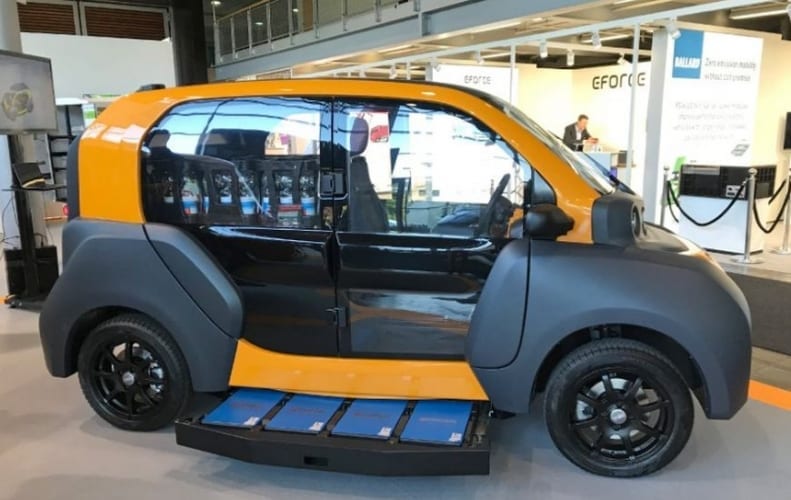
Electric vehicles (EVs) have emerged as one of the most promising solutions for sustainable transportation on a larger scale. With advancements in battery technology and charging infrastructure becoming more widespread, EVs offer an environmentally friendly option for personal transportation needs without compromising convenience or comfort.
In addition to individual choices regarding transportation methods, cities play a vital role in promoting eco-friendly mobility options through urban planning strategies. Establishing dedicated bike lanes, pedestrian-friendly zones, and improving public transportation infrastructure are essential steps towards encouraging sustainable transportation habits.
Furthermore, initiatives such as car-free days or low-emission zones can significantly reduce pollution levels in urban areas. Many cities around the world are also investing in bike-sharing programs that allow residents and visitors to rent bicycles for short periods, further promoting cycling as a viable mode of transport.
In conclusion, adopting eco-friendly transportation options is crucial for mitigating climate change and preserving our environment. From cycling and walking to public transport and electric vehicles, there are various alternatives available that not only reduce carbon emissions but also provide numerous health benefits. As individuals and communities, we have the power to make sustainable choices that positively impact our planet while still meeting our transportation needs. By embracing these alternatives and encouraging their implementation on a larger scale through supportive policies, we can move towards a greener future where mobility doesn’t come at the expense of the environment.
 Alternative Amie
Leave a comment