Understanding Different Types of Bank Accounts
Introduction:
Bank accounts are essential financial tools that help individuals manage their money, make transactions, and save for the future. However, with so many different types of bank accounts available, it can be confusing to determine which one is right for your specific needs. In this article, we will explore the various types of bank accounts and provide a comprehensive overview to help you make an informed decision.
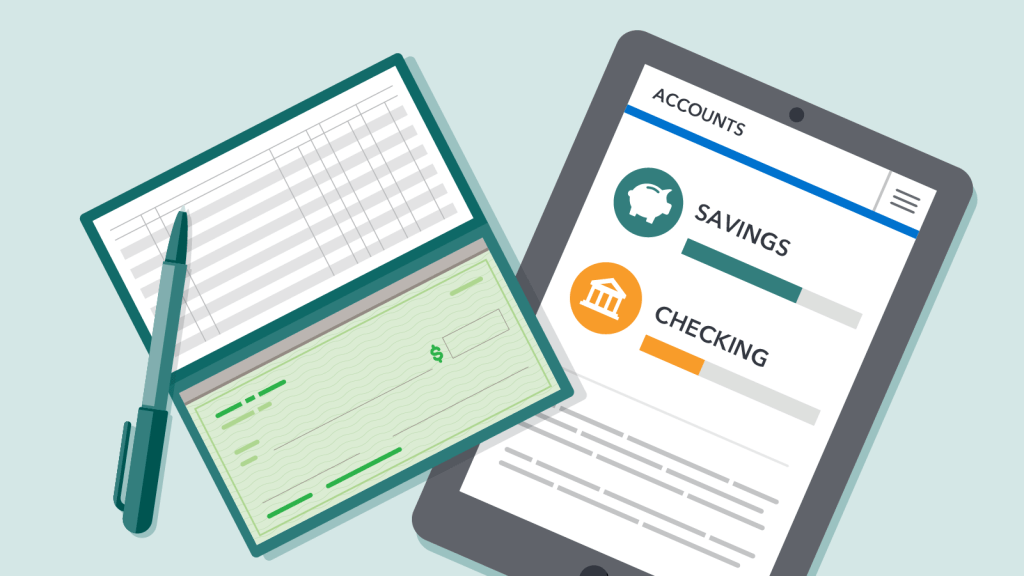
1. Checking Accounts:
Checking accounts are the most common type of bank account and serve as a basic transactional tool for everyday expenses. They allow you to deposit money into your account and withdraw funds using checks or debit cards. Some key features of checking accounts include:
a) No limit on the number of withdrawals or deposits.
b) Often have low minimum balance requirements.
c) May offer overdraft protection.
d) Can be linked to other bank services such as online banking and bill payment.
Checking accounts are ideal for those who need frequent access to their funds for day-to-day expenses like groceries, bills, and entertainment.
2. Savings Accounts:
Savings accounts are designed for individuals who want to earn interest on their deposited money while keeping it easily accessible. These accounts usually have higher interest rates compared to checking accounts but come with certain restrictions such as limits on withdrawals per month. Key features of savings accounts include:
a) Interest earned on balances (though rates may vary).
b) Limited number of monthly withdrawals allowed (typically six).
c) Minimum balance requirements may apply.
d) Some banks offer additional benefits like ATM access or mobile apps.
Savings accounts are suitable for people looking to accumulate emergency funds or save up for short-term goals like vacations or down payments on purchases.
3. Money Market Accounts:
Money market accounts combine elements from both checking and savings accounts by offering higher interest rates than traditional savings while maintaining some liquidity. Key features include:
a) Higher interest rates compared to regular savings.
b) Limited check-writing privileges.
c) Minimum balance requirements may apply.
d) May have additional features such as debit cards or online banking.
Money market accounts are an excellent option for those who want to earn a higher return on their savings while still having the flexibility to access their funds when needed.
4. Certificates of Deposit (CDs):
Certificates of Deposit (CDs) are time deposits that offer fixed interest rates and predetermined maturity dates. CD accounts typically require you to deposit a specific amount for a set period, ranging from months to years. Key features include:
a) Higher interest rates compared to regular savings or money market accounts.
b) Fixed term with penalties for early withdrawal.
c) Various maturity options available.
d) Interest can be compounded or paid out regularly.
CDs are ideal for individuals who have a sum of money they do not need immediate access to and want a guaranteed return over a specified period.
5. Individual Retirement Accounts (IRAs):
Individual Retirement Accounts (IRAs) are designed specifically for retirement savings and come in two main types: Traditional IRA and Roth IRA. Key features include:
a) Tax advantages vary depending on the type of IRA chosen.
b) Contribution limits apply annually.
c) Withdrawals before retirement age may incur penalties.
d) Various investment options available within the account.
IRAs provide individuals with tax advantages while helping them save for retirement, making them an essential tool in long-term financial planning.
6. Health Savings Accounts (HSAs):
Health Savings Accounts (HSAs), as the name suggests, help individuals save specifically for medical expenses if they have high-deductible health insurance plans. Key features include:
a) Contributions made pre-tax or tax-deductible.
b) Funds can be withdrawn tax-free when used towards qualifying medical expenses.
c) Balances roll over from year to year without penalty.
d)Some employers may contribute towards employee HSAs.
HSAs are beneficial for those seeking to save money specifically for healthcare costs while enjoying potential tax advantages.
Conclusion:
Understanding the different types of bank accounts is crucial in managing your finances effectively. Whether you need a basic checking account for day-to-day transactions or want to save for specific goals like retirement or medical expenses, there is a bank account type that suits your needs. By considering your financial goals, liquidity requirements, interest rates, and other features offered by each type of account, you can make an informed decision about which bank account is best suited for you. Remember to consult with a professional financial advisor if needed to ensure you make the most appropriate choice based on your individual circumstances.
 Alternative Amie
Leave a comment