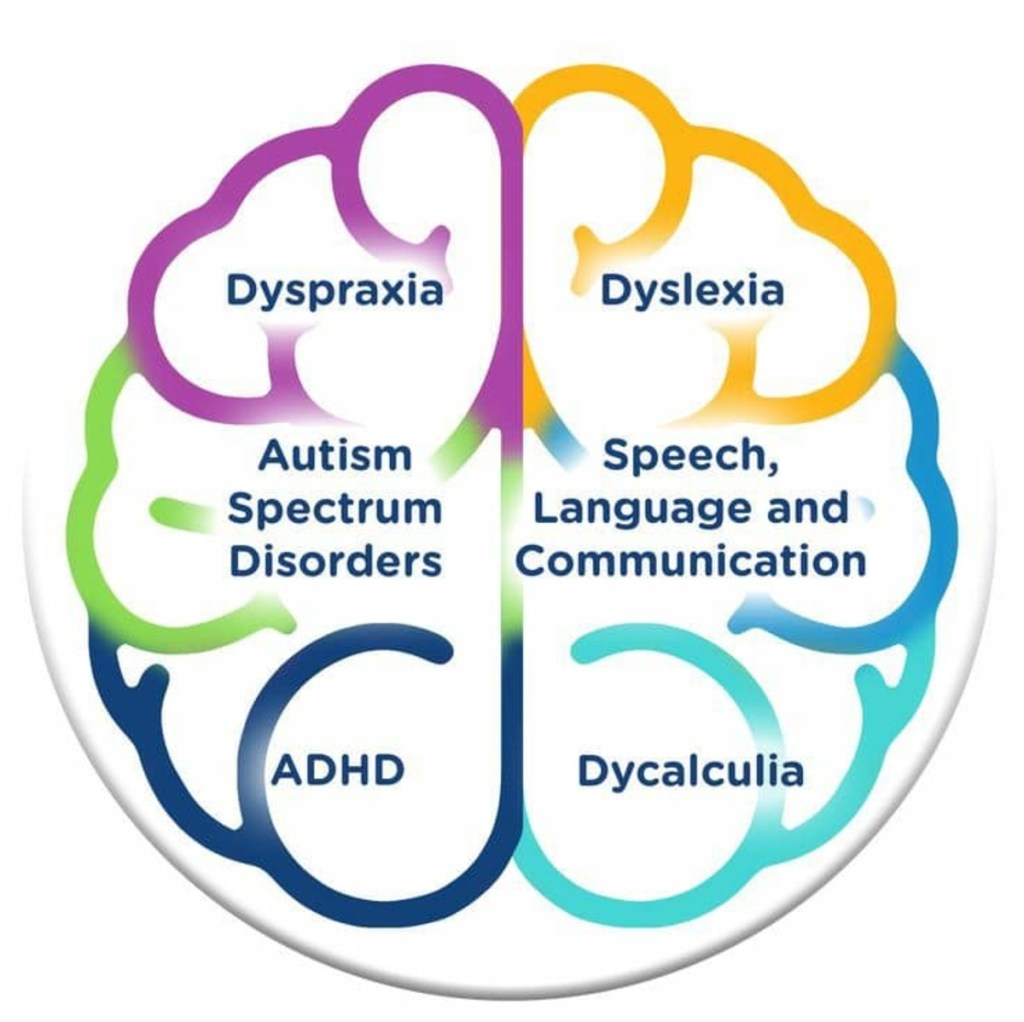
Deschooling for Special Needs Children and Neurodivergent Learners
As parents and educators, we understand that traditional schooling can be challenging for special needs children and neurodivergent learners. The one-size-fits-all approach often fails to meet their unique learning styles and requirements. This is where deschooling comes in as an alternative form of education that focuses on individualized learning experiences.
Deschooling is a process of stepping away from the conventional school system to create a more flexible and personalized education for children with diverse needs. It allows families to tailor the curriculum, pace, and environment to suit the specific requirements of their child.
For special needs children, deschooling offers several benefits. Firstly, it provides them with the opportunity to learn at their own pace without feeling pressured or overwhelmed by strict deadlines or rigid expectations. They can explore subjects deeply or spend extra time on areas they find challenging until they fully grasp the concepts.
Moreover, deschooling enables parents and caregivers to incorporate various therapeutic approaches into their child’s education seamlessly. Whether it’s speech therapy, occupational therapy, or sensory integration techniques, these interventions can be integrated into daily routines rather than being treated as separate entities from academic learning.
Neurodivergent learners also benefit greatly from deschooling practices. Many neurodiverse individuals have unique ways of processing information and engaging with the world around them. Deschooling allows them the freedom to explore alternative methods of learning that better align with their strengths and interests.
One key aspect of deschooling is recognizing that learning happens beyond textbooks and classrooms. By embracing real-life experiences as educational opportunities, parents can help their children develop essential life skills while fostering a love for lifelong learning.
For instance, instead of focusing solely on academic subjects like math or science during homeschool sessions, families might take field trips to museums or parks where children can engage in hands-on activities related to nature studies or history lessons. By incorporating these experiential learning opportunities, children are more likely to retain knowledge and develop a deeper understanding of the world around them.
Deschooling also allows for flexibility in scheduling. Children with special needs or neurodivergent characteristics may have different sleep patterns or require breaks throughout the day to manage sensory overload. Deschooling provides the freedom to adjust schedules accordingly, ensuring that children can learn when they are most alert and focused.
In conclusion, deschooling offers an alternative approach to education that is well-suited for special needs children and neurodivergent learners. By tailoring the curriculum, environment, and pace of learning to meet their unique requirements, deschooling fosters an inclusive educational experience that focuses on individual growth and development. Through this approach, children can thrive academically while also developing essential life skills and a love for learning beyond traditional classroom settings.
 Alternative Amie
Leave a comment