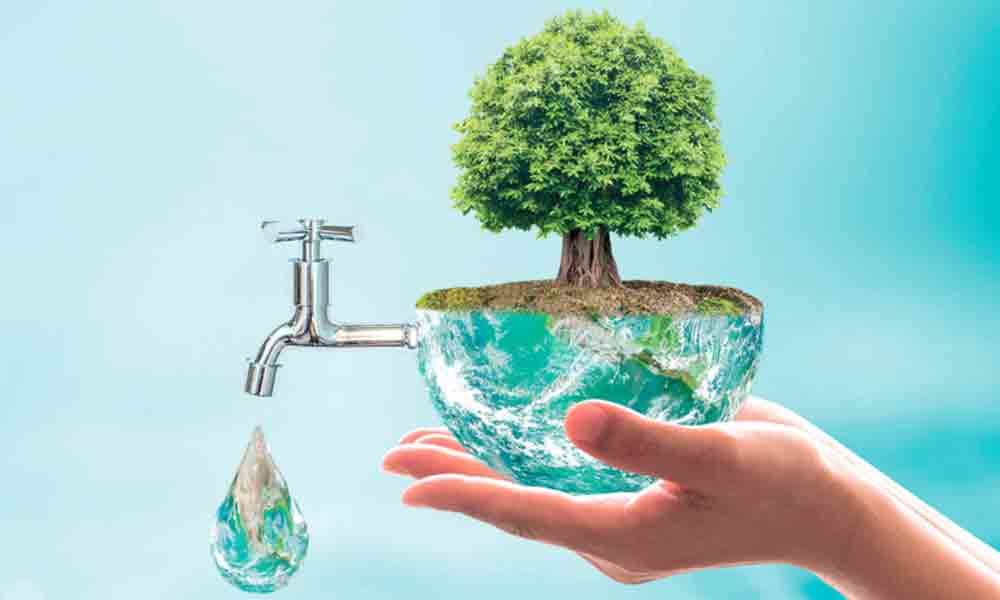
Water conservation is an essential practice that should be adopted by individuals, communities, and schools to ensure the sustainable use of this precious resource. With increasing concerns about water scarcity and environmental degradation, it is crucial to explore various methods of conserving water. In this article, we will discuss several effective water conservation methods that can be implemented in alternative schooling and education settings.
1. Raise Awareness: The first step towards effective water conservation is to raise awareness among students, staff, and parents about the importance of saving water. Educational institutions play a significant role in shaping young minds and instilling responsible behavior towards the environment. By incorporating lessons on water conservation into the curriculum or organizing workshops and awareness campaigns, schools can promote conscious water usage from an early age.
2. Fix Leaks: Leaks are a common culprit for wasting substantial amounts of water without our knowledge. Regularly inspecting plumbing fixtures like faucets, toilets, and pipes for leaks can help identify any issues promptly. Encourage students to report leaks they notice around school premises so that they can be fixed immediately.
3. Install Water-Efficient Fixtures: Replacing outdated fixtures with more efficient alternatives is another effective way to conserve water in schools. Low-flow faucets and showerheads reduce both energy consumption (since less hot water needs to be produced) as well as overall-water usage without compromising functionality or convenience.
4. Utilize Rainwater Harvesting Systems: Implementing rainwater harvesting systems within school campuses allows capturing rainwater runoff for later use instead of letting it go down storm drains unused. This harvested rainwater can then be used for watering plants or flushing toilets – reducing reliance on freshwater sources.
5. Xeriscaping: Landscaping practices that require minimal irrigation are known as xeriscaping techniques – ideal for areas experiencing drought conditions or where there is limited access to freshwater resources. Schools can adopt xeriscaping principles by choosing native plants that are adapted to the local climate and require less water. Additionally, using mulch and implementing efficient irrigation systems like drip irrigation can significantly reduce water usage for maintaining school gardens or playing fields.
6. Greywater Recycling: Greywater refers to wastewater generated from sources such as sinks, showers, and laundry machines. Instead of allowing this water to go down the drain, it can be collected and treated for reuse in non-potable applications such as toilet flushing or landscape irrigation. Implementing greywater recycling systems within schools not only reduces freshwater demand but also teaches students about sustainable practices.
7. Promote Water-Saving Behaviors: Encouraging simple yet effective behaviors among students and staff can have a significant impact on water conservation efforts. For instance, turning off taps while brushing teeth, using full loads in washing machines or dishwashers, and taking shorter showers all contribute to saving substantial amounts of water over time.
8. Utilize Water-Efficient Cleaning Practices: Schools often consume large amounts of water during cleaning processes. By adopting more water-efficient cleaning practices like using microfiber mops instead of traditional ones that require excessive rinsing or utilizing steam cleaners that use minimal water while sanitizing surfaces effectively – educational institutions can save significant amounts of water without compromising cleanliness standards.
9. Monitor Water Usage: Tracking water consumption is crucial for identifying areas where improvements can be made regarding conservation measures. Installing sub-meters at different locations within school buildings allows monitoring usage patterns and helps identify potential leaks or wasteful habits that need attention.
10. Collaborate with Local Communities: Engaging with local communities is essential for holistic approaches towards sustainable development initiatives such as water conservation. Schools can collaborate with community organizations or government agencies involved in promoting responsible resource management to share knowledge, leverage resources, and collectively address regional challenges related to access to clean drinking water or watershed protection.
In conclusion, alternative schooling and education settings have a unique opportunity to instill values of environmental stewardship and sustainable practices in students. By implementing various water conservation methods such as raising awareness, fixing leaks, utilizing rainwater harvesting systems, xeriscaping, greywater recycling, promoting water-saving behaviors, adopting water-efficient cleaning practices, monitoring usage patterns, and collaborating with local communities – schools can play a vital role in conserving this precious resource for future generations. Through such efforts, alternative schools not only contribute to a more sustainable future but also impart valuable life skills to their students.
 Alternative Amie
Leave a comment