Main Lesson Blocks: Unleashing the Power of Holistic Learning
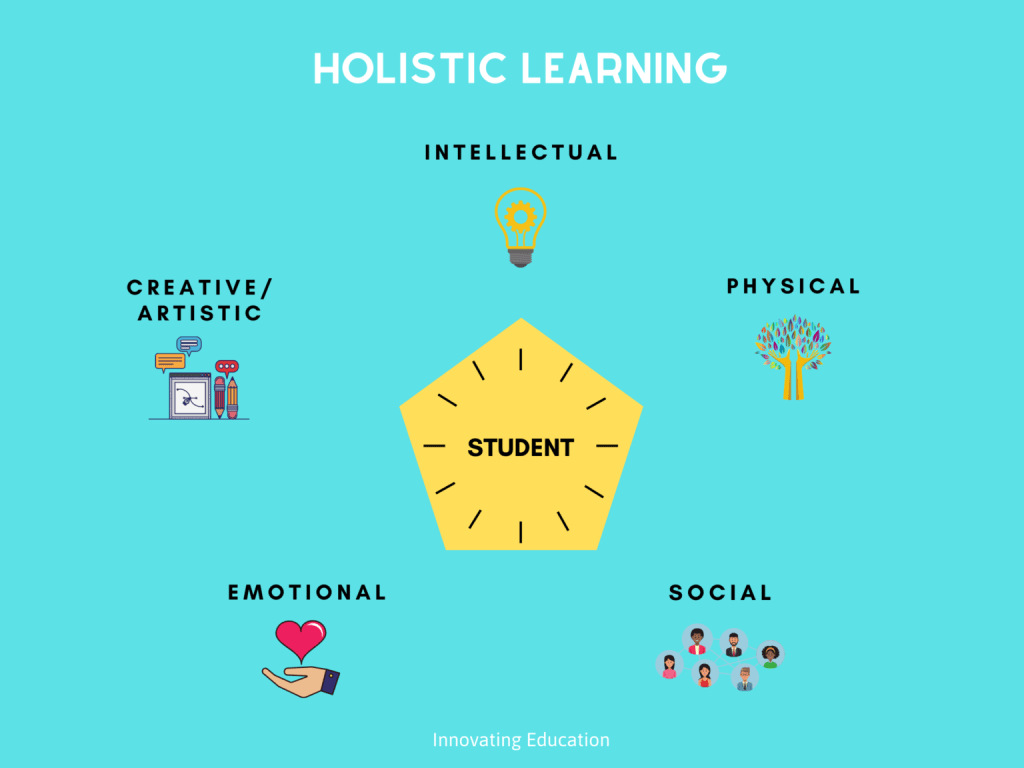
In the realm of alternative schooling and education, main lesson blocks stand as a beacon of holistic learning. Rooted in Rudolf Steiner’s Waldorf Education philosophy, these immersive and interdisciplinary units form the heart of a child’s educational journey. By delving deep into a particular subject over several weeks, students gain profound insights and develop a comprehensive understanding that extends beyond mere facts and figures.
Unlike conventional schools where subjects are taught separately, main lesson blocks integrate multiple disciplines such as history, science, language arts, mathematics, art, music, and even movement. Each block typically spans three to six weeks during which students engage with one central theme or topic. This focused approach allows for concentrated study while encouraging creativity and critical thinking.
The duration of main lesson blocks is carefully designed to align with children’s developmental stages. In early childhood (kindergarten through grade 3), shorter blocks lasting two to four weeks help foster imagination and provide a solid foundation for future learning. As children grow older (grade 4 onwards), longer blocks ranging from four to six weeks allow for more complex exploration and deeper analysis.
One key aspect that sets main lesson blocks apart is their multi-sensory approach to teaching. Lessons are brought alive through storytelling, hands-on experiences, visual aids, artistic activities like drawing or painting relevant scenes or concepts from the subject matter at hand – all tailored to engage different learning styles. For instance, if studying ancient civilizations in history class during a given block period, students might create clay models depicting pyramids or reconstruct archaeological sites using sand tables.
Another distinguishing feature is the emphasis on experiential learning rather than relying solely on textbooks or lectures. Students actively participate in experiments related to scientific concepts being explored or embark on field trips where they can witness firsthand what they have studied theoretically. These real-world experiences not only deepen their understanding but also make learning more meaningful and memorable.
Moreover, main lesson blocks actively foster collaboration and community-building. Students often work together on projects, engage in discussions, and present their findings to their classmates or even the wider school community. This collaborative approach nurtures social skills, critical thinking abilities, and problem-solving capabilities while instilling a sense of belonging and mutual respect among peers.
Main lesson blocks are carefully curated by teachers who bring their expertise and passion to create engaging content. They design lessons that cater to students’ developmental needs while ensuring alignment with curriculum standards. Teachers may draw from various sources such as Waldorf educational resources, classic literature, primary documents, or contemporary research materials to craft a rich tapestry of learning experiences.
While main lesson blocks primarily focus on academic subjects like mathematics or science, they also integrate artistic activities into the curriculum. Artistic expression through drawing, painting, music-making or drama enhances creativity and imagination while fostering emotional intelligence within students.
In conclusion, main lesson blocks exemplify the power of holistic learning in alternative schooling settings. By immersing students in interdisciplinary studies for extended periods of time through multi-sensory approaches and experiential learning opportunities, these units unlock the potential for deep understanding and meaningful connections across various subjects. Through collaboration, artistic expression, and community engagement woven into each block period’s fabric – children not only gain knowledge but also develop crucial life skills necessary for success beyond academia.
 Alternative Amie
Leave a comment