Montessori Education and Special Needs: A Unique Approach
Education is the key to unlocking a child’s potential. However, traditional educational systems often struggle to cater to the diverse needs of every student, especially those with special needs. In recent years, alternative approaches like Montessori education have gained popularity for their inclusive and individualized approach. This article will explore how Montessori education can benefit children with special needs.
The Montessori method was developed by Italian educator Maria Montessori in the early 20th century. It is based on the belief that each child is unique and has an innate desire to learn. The Montessori approach emphasizes independence, freedom within limits, and hands-on learning experiences.
One of the main reasons why Montessori education stands out as a beneficial option for children with special needs is its emphasis on individualized learning. In a traditional classroom setting, students are expected to follow a predetermined curriculum at a fixed pace. However, this one-size-fits-all approach may not work well for children who require more time or assistance to grasp certain concepts or skills.
In contrast, Montessori classrooms are designed to accommodate diverse learning styles and abilities. Children are encouraged to explore different materials at their own pace and choose activities that align with their interests and developmental stage. This flexibility allows educators to tailor instruction according to each student’s unique strengths and challenges.
Moreover, the prepared environment in Montessori classrooms promotes sensory exploration and self-directed learning – two critical aspects that can greatly benefit children with special needs such as Autism Spectrum Disorder (ASD) or Attention Deficit Hyperactivity Disorder (ADHD). By providing various sensory-rich materials like sandpaper letters or textured objects, these classrooms help develop fine motor skills while engaging multiple senses simultaneously.
Another significant aspect of Montessori education is its focus on practical life skills. These skills include everyday activities such as pouring water into cups or buttoning shirts independently. For children with special needs, mastering these skills can enhance their confidence and foster a sense of accomplishment. Moreover, practical life activities promote the development of fine motor skills, hand-eye coordination, problem-solving abilities, and concentration – all essential for academic success.
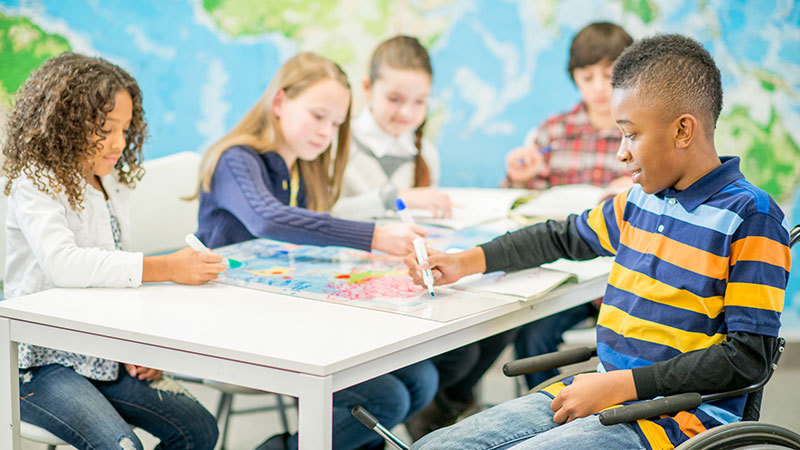
Moreover, Montessori classrooms promote inclusive social interactions among students. In traditional settings, children with special needs may face isolation or exclusion from their peers due to differences in learning styles or behaviors. However, the mixed-age classrooms in Montessori schools encourage collaboration and support between children of different ages and abilities. Older students often act as mentors to younger ones, creating a nurturing environment where everyone feels valued.
It is important to note that while Montessori education offers many benefits for children with special needs, it may not be suitable for every child or every type of special need. It is crucial to consider individual requirements and consult with professionals experienced in both Montessori education and special needs before making any decisions.
In conclusion, Montessori education provides an alternative approach that caters to the unique learning needs of children with special needs. Its emphasis on individualized learning experiences, sensory exploration, practical life skills development, and inclusive social interactions makes it an attractive option for families seeking an educational setting that supports their child’s growth and development holistically. By embracing diversity and focusing on each child’s strengths rather than limitations, Montessori education opens doors to endless possibilities for all learners – including those with special needs.
 Alternative Amie
Leave a comment