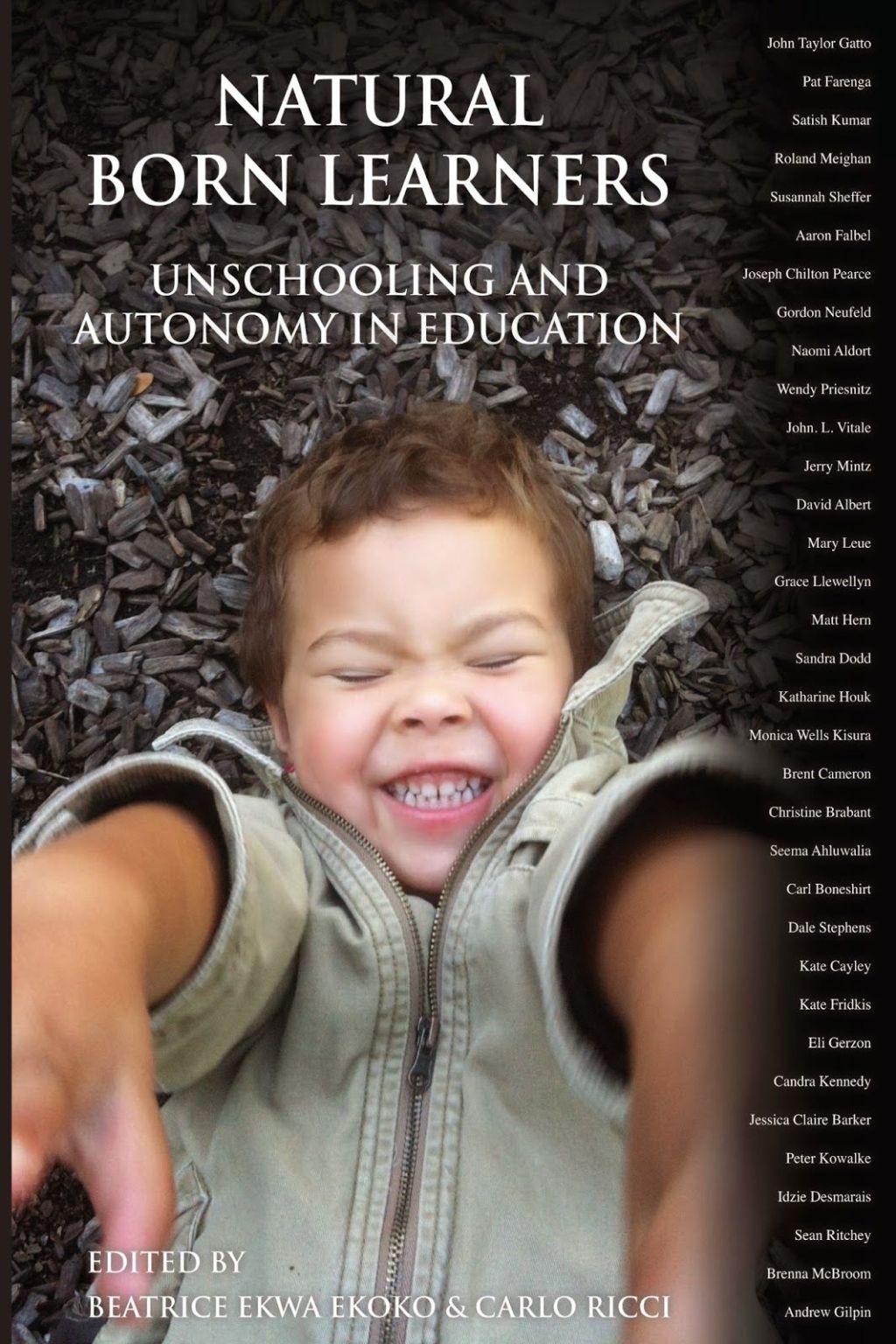
Radical unschooling is an educational approach that goes beyond traditional homeschooling or even regular unschooling. It focuses on allowing children complete autonomy over their education, with no set curriculum or formal lessons. Instead, the emphasis is placed on self-directed learning and following the child’s interests and passions.
Unschooling for children with special needs is a concept that has gained popularity in recent years. The idea behind it is to provide a more individualized and flexible approach to education, tailored specifically to meet the unique needs of each child. Unschooling allows children with special needs to learn at their own pace, explore their interests, and develop skills in a way that works best for them.
In rural communities, unschooling can be an appealing option due to limited access to traditional schooling options. With fewer schools nearby or long commutes required, families may opt for unschooling as a way to provide their children with a quality education without the logistical challenges of attending school regularly.
One common concern about unschooling is socialization. Critics argue that without the structure of traditional schooling, unschooled children may miss out on important social interactions and opportunities for personal growth. However, proponents of unschooling argue that socialization happens naturally through everyday interactions within the community and through participation in various activities such as sports teams, clubs, volunteer work, or co-ops.
Standardized testing often plays a central role in traditional education systems but holds little importance in unschooling circles. Unschoolers believe that standardized tests do not accurately measure intelligence or knowledge because they fail to capture the full range of abilities and talents that individuals possess. Instead, assessment methods in unschooling focus on alternative approaches such as portfolios showcasing projects completed by the child or performance-based evaluations.
College admissions can be seen as another potential obstacle for those who choose unschooling as an educational path. However, many universities nowadays recognize alternative forms of education like unschooling and are willing to consider applicants based on their unique experiences, portfolios, and recommendations. Unschoolers can also take advantage of community college courses or online programs to gain credits that may help meet college admission requirements.
Technology plays a vital role in unschooling as it provides access to an abundance of information and resources. Unschoolers often leverage technology to explore their interests through online courses, virtual field trips, educational apps, and interactive websites. However, families practicing unschooling also emphasize the importance of balancing screen time with real-world experiences and interactions.
Alternative assessment methods are integral to the philosophy of unschooling. Instead of relying solely on traditional tests or grades, parents encourage their children to engage in self-assessment, reflection, and project-based evaluations. They believe that by allowing children to take ownership of their learning process and evaluate their progress independently, they foster intrinsic motivation and a lifelong love for learning.
Cultural diversity is celebrated within the unschooling community as it recognizes that different cultures have unique ways of approaching education. Families from diverse backgrounds bring varied perspectives into their children’s education, incorporating cultural traditions, languages, art forms, music styles into daily life. This rich exposure helps instill a broader understanding and appreciation for different cultures.
The arts play an essential role in unschooling as they provide opportunities for creativity expression and exploration. Unschoolers recognize the value of artistic endeavors like painting, drawing, playing musical instruments or dancing as mediums for self-discovery and personal growth. Children are encouraged to follow their artistic passions without rigid schedules or expectations.
Physical education is not neglected in the world of unschooling either! Without structured physical education classes typically found in traditional schools’ curriculum; however; families practicing unschooling prioritize physical activity by encouraging outdoor playtime regularly engaging in sports activities such as swimming lessons or martial arts classes attending dance studios frequent hiking trips among other activities fostering a healthy lifestyle overall.
Unschooling can be an attractive option for single-parent households as it allows for greater flexibility in scheduling and decision-making. With one parent taking on the primary responsibility of educating their child, unschooling provides the opportunity to tailor education around the family’s unique circumstances and individual needs.
For gifted children, unschooling offers a way to fully explore and develop their exceptional abilities. Rather than being held back by grade-level constraints, unschooled gifted children have the freedom to delve deeply into their interests and pursue advanced learning opportunities at their own pace.
Entrepreneurship is often encouraged within the unschooling community. By fostering independence, creativity, critical thinking skills, and self-motivation in their children’s education, parents aim to prepare them for real-world challenges. Unschoolers believe that entrepreneurship provides an avenue for applying knowledge gained through self-directed learning while nurturing important life skills such as problem-solving and resourcefulness.
Unschooling is not limited to English-speaking countries; it can be practiced worldwide with adaptations based on local laws or cultural norms. Families in non-English speaking countries may choose to incorporate language learning into their unschooling approach by exposing children to books, movies, music or even enrolling them in language classes if desired.
The role of parents in unschooling differs significantly from traditional schooling models where parents play a more supervisory role. In unschooling, parents act as facilitators who provide resources support guidance whenever necessary but primarily trust that children will take charge of their own learning journey directing themselves towards areas they are passionate about while developing intrinsic motivation along with critical thinking research skills.
Balancing structure and freedom is an ongoing challenge in unschooling. While autonomy is highly valued within this approach, some level of structure is necessary to ensure progress and maintain consistency. Finding this balance involves open communication between parents and children regarding goals expectations boundaries allowing for adjustments along the way as needed according to each child’s evolving interests.
Unschooling can have a significant impact on sibling relationships. With siblings spending more time together and sharing experiences, they often form close bonds and develop strong connections. Older siblings may take on mentoring roles, guiding their younger counterparts in areas of shared interest fostering collaboration and cooperation among family members.
Incorporating community resources is an essential aspect of unschooling. Unschoolers recognize the value of tapping into local resources such as libraries, museums, nature reserves, zoos, or community centers to enhance their children’s learning experiences. By actively engaging with the community, children gain exposure to different people places ideas fostering a sense of belonging and interconnectedness.
Criticism of unschooling within the education system is not uncommon. Traditional educators may question its effectiveness or worry about potential gaps in knowledge or skills acquired through self-directed learning. However, proponents argue that unschooled children are more likely to be self-motivated lifelong learners who possess critical thinking problem-solving abilities adaptability rather than simply accumulating facts memorizing information for tests emphasizing real-world application over rote memorization.
In conclusion, unschooling offers a unique approach to education that empowers children to take charge of their own learning journey while providing them with the freedom to explore their interests fully. It can be adapted to various situations such as special needs or rural communities and has been found effective for diverse populations including gifted students or those from single-parent households. While it faces criticism within traditional educational systems for its departure from standardized testing or structured curriculum, unschooling focuses on alternative assessment methods cultural diversity entrepreneurship creative expression physical activity incorporating community resources balancing structure with freedom among other aspects fostering lifelong love for learning personal growth independence ingenuity critical thinking skill development ultimately preparing individuals for success beyond formal schooling.
 Alternative Amie
Leave a comment