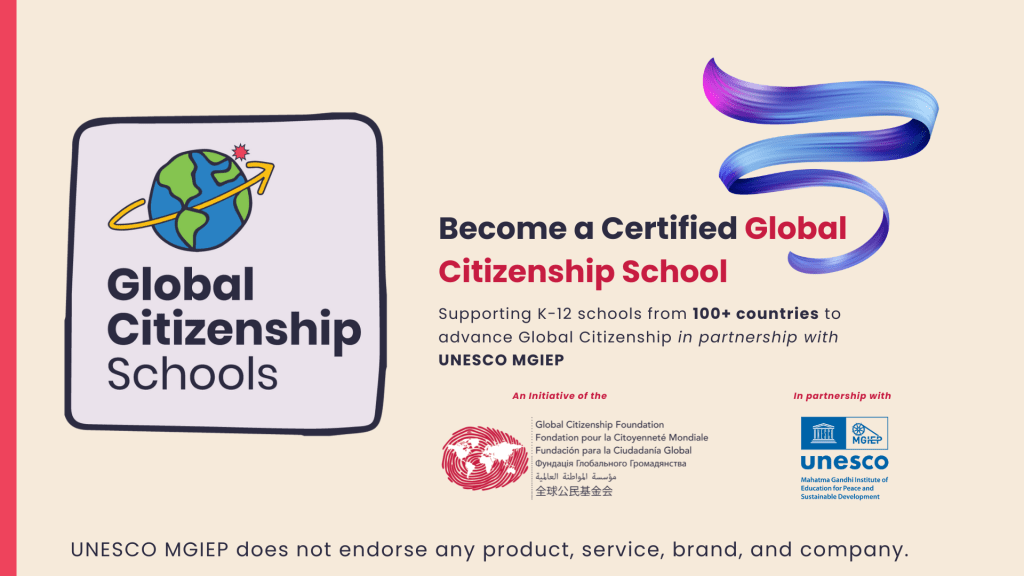
Global Citizenship Education: Preparing Students for a Changing World
In today’s interconnected and rapidly changing world, it is becoming increasingly important to educate young people not only in traditional academic subjects but also in the skills necessary to become responsible global citizens. Global citizenship education (GCE) aims to do just that by equipping students with knowledge, understanding, and critical thinking abilities needed to actively engage with complex global issues. In this article, we will explore the importance of GCE and how it can shape the future generation.
Global citizenship education goes beyond teaching basic facts about countries and cultures; it encourages students to think critically about social justice, sustainability, human rights, and cultural diversity. It helps them develop empathy towards others while fostering a sense of responsibility for their actions on both local and global scales.
One key aspect of GCE is promoting intercultural understanding. By exposing students to different perspectives from around the world, they gain a deeper appreciation for diverse cultures and traditions. This fosters respect for others’ beliefs and values while challenging any preconceived biases or stereotypes they may hold. Through open discussions and interactive activities centered around cultural exchange, students learn how to navigate through multicultural environments with sensitivity.
Another essential component of GCE is encouraging active participation in addressing global challenges. Students are encouraged to identify pressing issues such as poverty, inequality, climate change, or access to education within their communities or globally. They then develop strategies on how they can contribute positively towards solving these problems – be it through fundraising initiatives or advocacy campaigns.
Critical thinking skills lie at the core of GCE as well. Students are taught how to analyze information from multiple sources critically. They learn how media can shape narratives differently depending on various factors such as political bias or commercial interests. This enables them not only to understand complex global issues but also question prevailing assumptions and seek alternative perspectives.
Moreover, GCE emphasizes developing ethical decision-making skills among students. They are encouraged to consider the ethical implications of their actions and understand how their choices can impact people and the planet. By understanding concepts such as social justice, sustainability, and human rights, students are equipped with a moral compass that guides them in making responsible choices.
GCE is not limited to classroom settings; it extends beyond school walls through community involvement and partnerships. Engaging with local communities allows students to apply their learning in real-world contexts while addressing issues directly affecting those around them. Such experiences enhance their sense of agency and empower them to become active change-makers.
The benefits of GCE extend far beyond individual student development. It contributes towards building a more inclusive society where individuals respect diversity and work collaboratively towards common goals. By fostering global awareness and empathy from an early age, GCE helps create future leaders who are equipped to address pressing global challenges collectively.
However, implementing GCE into educational systems requires commitment from policymakers, educators, parents, and students themselves. Teachers need appropriate training and resources to integrate GCE effectively into curricula across different subjects. Policymakers must recognize the value of GCE by providing support at national levels through policy frameworks that prioritize global citizenship education.
In conclusion, global citizenship education plays a crucial role in preparing young people for our ever-changing world. It equips them with essential skills such as intercultural understanding, critical thinking abilities, ethical decision-making skills, and active participation in addressing global challenges. By embracing global citizenship education wholeheartedly within our educational systems, we can foster a generation of globally-minded citizens who will work together for a more just and sustainable future for all humanity.
 Alternative Amie
Leave a comment