Gamification in Online Learning
Panelists:
1. Dr. Sarah Thompson – Online Education Expert
2. Mark Johnson – Gamification Specialist
3. Emily Parker – Online Learning Platform Developer
Moderator: Good afternoon, everyone. Today, we have gathered experts to discuss the role of gamification in online learning. Let’s start by defining what gamification means in the context of education.
Dr. Thompson: Gamification refers to incorporating game elements and mechanics into non-game contexts, such as online learning platforms, to increase engagement and motivation among learners.
Moderator: Thank you, Dr. Thompson.
Mark Johnson, as a gamification specialist, could you share some examples of how gamified elements can be applied in an online learning environment?
Mark Johnson: Certainly! Gamified elements can include points systems, leaderboards, badges for achievements or milestones reached by learners, and even virtual rewards like avatars or digital items that students can collect or customize within the platform.
Emily Parker: Additionally, interactive quizzes with immediate feedback and branching scenarios where students make choices that impact their learning journey are effective ways to incorporate gamification into online courses.
Moderator: That sounds interesting!
Dr. Thompson, what does research say about the effectiveness of gamified approaches in online education?
Dr. Thompson: Research indicates that incorporating game elements enhances student motivation and engagement while promoting active learning experiences. Studies have shown increased knowledge retention rates when compared to traditional instructional methods.
Moderator: Wonderful!
Now let’s explore how virtual reality (VR) is being used in alternative education.
Emily Parker, could you shed some light on this topic?
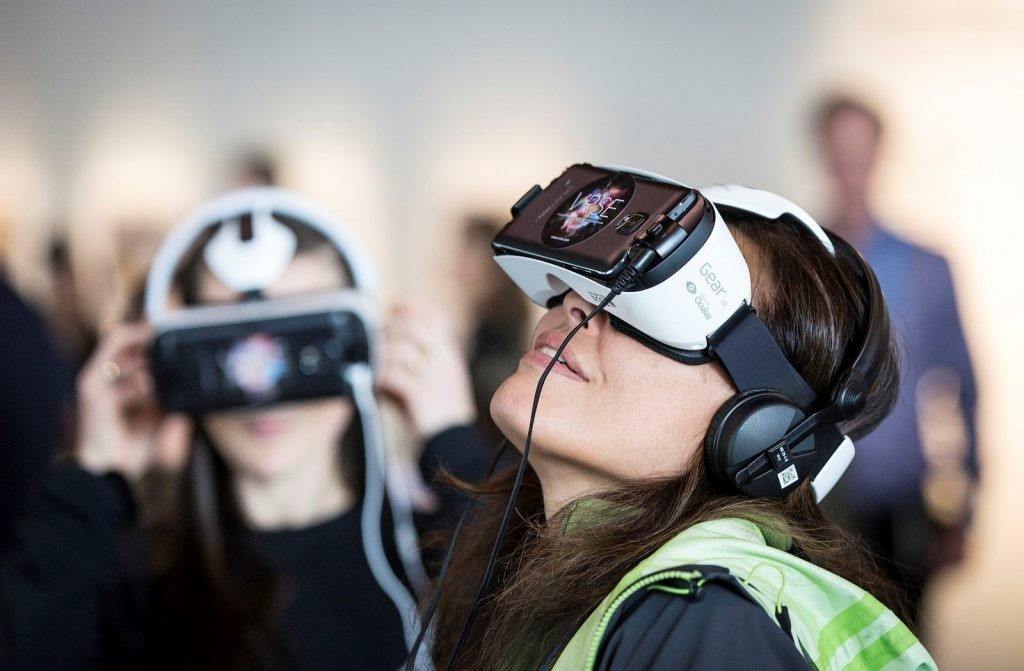
Emily Parker: Virtual reality has immense potential for alternative education settings because it allows students to experience immersive environments related to their subject matter.
For example:
– History classes can transport students back in time through VR simulations,
– Science lessons may involve exploring complex scientific concepts through interactive 3D models,
– Art courses might offer virtual galleries for students to view and analyze famous artworks.
Moderator: Fascinating!
Dr. Thompson, what are the benefits of using VR in alternative education?
Dr. Thompson: Virtual reality provides students with a unique opportunity to engage with their subjects on a deeper level. It fosters curiosity, critical thinking, and problem-solving skills by simulating real-world scenarios that are otherwise inaccessible.
Moreover, VR can accommodate different learning styles and create inclusive experiences for students with disabilities or special needs.
Moderator: Thank you for that insight.
Moving on to blended learning approaches for unconventional students.
Mark Johnson, how can blended learning cater to the needs of these learners?
Mark Johnson: Blended learning combines online instruction with face-to-face interactions. This approach allows unconventional students such as homeschoolers, adult learners, or those who have limited access to traditional schooling options to customize their learning experience.
It offers flexibility while ensuring that students receive support from teachers or mentors when needed.
Emily Parker: Additionally, blended learning helps build important social connections among unconventional learners through group projects or collaborative activities conducted both online and offline.
Moderator: Great point!
Let’s now discuss online learning for students with special needs.
Dr. Thompson, could you highlight some strategies in this area?
Dr. Thompson: Online platforms designed for special needs education often provide customizable features like text-to-speech functionality, closed captioning options, dyslexia-friendly fonts, and color contrast adjustments.
Furthermore:
– Synchronous video conferencing enables direct communication between teachers and students,
– Screen readers assist visually impaired learners,
– Specialized software supports motor skills development.
Moderator: Excellent insights!
That concludes our discussion on gamification in online learning,
virtual reality in alternative education,
blended learning approaches for unconventional students,
and online learning for students with special needs today.
Stay tuned next week when we explore more interesting topics related to alternative schooling and education!
 Alternative Amie
Leave a comment