Gamification in Grading: A Case Study
Introduction:
In recent years, alternative approaches to education have gained popularity as educators and parents seek innovative ways to engage students in the learning process. One such approach is gamification, which involves incorporating game elements into non-game contexts. In this case study, we will explore how gamification has been used successfully in grading at a progressive school.
Background:
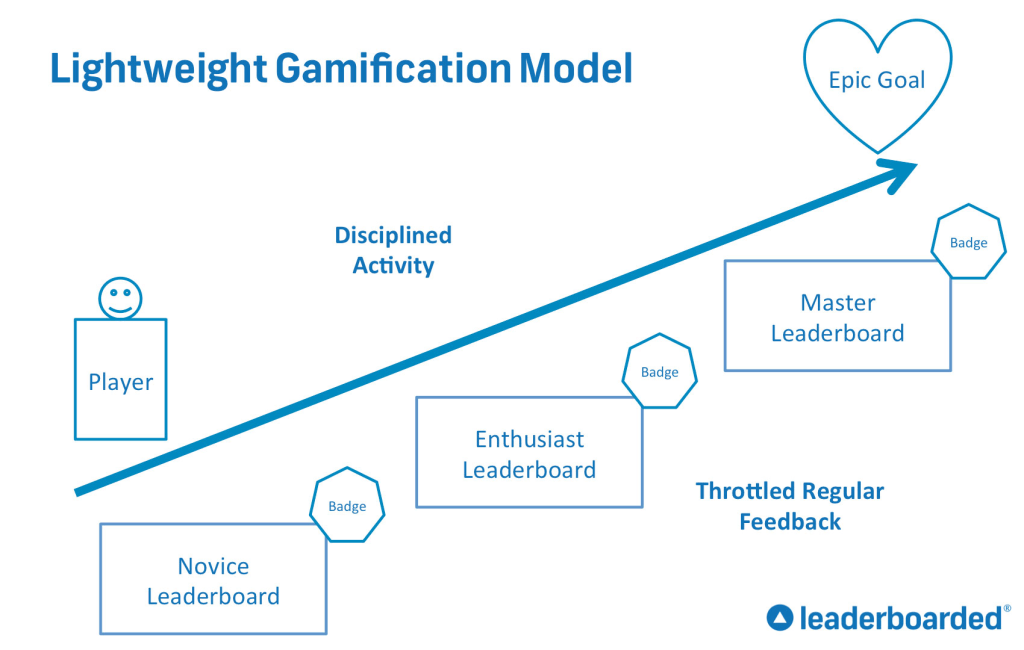
At XYZ Alternative School, the traditional grading system was replaced with a gamified approach to motivate and inspire students. The goal was not only to assess their academic progress but also to encourage collaboration, critical thinking, and problem-solving skills. By using game-like elements such as levels, badges, leaderboards, and rewards points, the school aimed to create an environment where learning became an enjoyable experience.
Implementation:
The first step in implementing gamification in grading was creating a comprehensive rubric that aligned with the curriculum objectives. Each task or assignment had specific criteria and corresponding point values assigned based on its complexity and significance. Clear guidelines were provided so that students understood what they needed to do to earn certain grades or achievements.
To track student progress effectively, an online platform was developed specifically for this purpose. Students could access their individual profiles displaying their grades, accomplishments earned through badges or levels unlocked along with their overall ranking within the class or school community. This leaderboard aspect fostered healthy competition among students while encouraging them to support one another’s growth.
Results & Impact:
The introduction of gamified grading transformed the classroom dynamics at XYZ Alternative School remarkably. Students’ motivation skyrocketed as they actively participated in activities designed around quests and challenges rather than focusing solely on earning good grades for external validation. They embraced failure as part of the learning journey since it allowed them opportunities for growth and improvement.
Moreover, collaboration flourished as students formed teams or guilds working together towards common goals. Peer feedback played a significant role throughout assignments where constructive criticism helped individuals refine their work. The gamification approach promoted a sense of ownership and autonomy, empowering students to take charge of their learning process.
One unexpected outcome was the increased engagement from parents. With access to the online platform, parents were able to monitor their child’s progress in real-time, which led to more meaningful conversations at home and enhanced support for their academic endeavors. This strengthened the school-family partnership and created a supportive learning ecosystem.
Conclusion:
Gamification has proven to be an effective tool in grading at XYZ Alternative School. By leveraging game-like elements, educators have successfully transformed the traditional grading system into an engaging experience that fosters intrinsic motivation, collaboration, critical thinking, and problem-solving skills among students. While this case study showcases its positive impact on one particular school environment, it also highlights the potential for gamification to shape alternative education approaches that prioritize student-centered learning and holistic development.
 Alternative Amie
Leave a comment