Unschooling as a Form of Child-Led Learning:
Unschooling is a philosophy and approach to education that focuses on child-led learning. It is based on the belief that children are naturally curious and motivated to learn, and that they will flourish when given the freedom to pursue their own interests and passions. Unschooling rejects traditional schooling methods such as standardized curriculum, tests, and grades, in favor of personalized learning experiences tailored to each child’s unique needs.
In an unschooling environment, children have the autonomy to choose what they want to learn and how they want to learn it. They are encouraged to follow their passions, explore their interests deeply, and engage in self-directed activities that align with their individual strengths and talents. This can range from reading books about dinosaurs for hours on end, building complex structures with Legos or engaging in imaginative play.
Parents who embrace unschooling act as facilitators rather than teachers. They provide resources, support, guidance, and opportunities for their children’s learning journeys while respecting their autonomy. Unschooling allows children the freedom to make mistakes without fear of failure or judgement since there are no rigid expectations imposed upon them by a predetermined curriculum.
One of the key benefits of unschooling is its ability to foster a love of learning in children. By allowing them to pursue subjects they are genuinely interested in, unschoolers develop intrinsic motivation which fuels their desire for knowledge acquisition throughout life. This approach also encourages critical thinking skills as well as problem-solving abilities since learners actively seek solutions independently rather than passively following instructions.
Montessori Approach to Child-Led Learning:
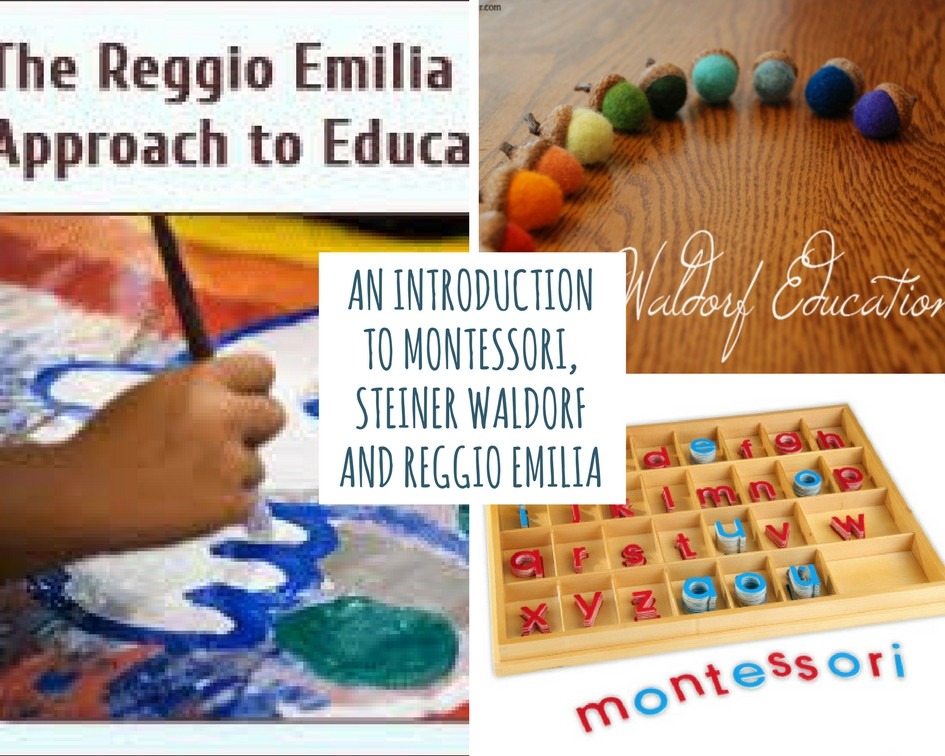
The Montessori method was developed by Maria Montessori over a century ago with the aim of cultivating independent thinkers through child-led learning experiences. The Montessori classroom consists of specially designed materials arranged on low shelves accessible to students at all times.
Children are free within limits set by the teacher’s careful preparation of the environment. They can choose any activity that interests them, work at their own pace, and engage in uninterrupted periods of concentration. The Montessori approach recognizes that children learn best through hands-on experiences and encourages self-correction through trial and error.
One of the core principles of Montessori education is the belief that each child has an inner guide for their development. Teachers observe and assess students’ progress individually, offering guidance when needed but otherwise allowing children to take charge of their learning.
The Montessori method also emphasizes practical life skills such as self-care activities (dressing, cooking) and care for the environment (cleaning, gardening). By incorporating these tasks into daily routines, children develop independence along with a sense of responsibility towards themselves and their surroundings.
Reggio Emilia Philosophy and Child-Led Education:
Originating in Reggio Emilia, Italy after World War II, the Reggio Emilia approach is centered on child-led learning through exploration and discovery. In this philosophy, teachers act as facilitators who provide support while encouraging collaboration among students.
The Reggio Emilia approach places great importance on documenting children’s experiences through photographs, videos, artwork, and written reflections. These records serve as a basis for ongoing assessment and reflection by both teachers and students alike.
A distinguishing feature of this approach is its focus on creating a learning environment that promotes creativity, collaboration, communication skills alongside problem-solving abilities. Classrooms are designed to be open-ended spaces filled with natural light where children have access to a variety of art materials along with other resources to express themselves creatively.
Waldorf Education: Emphasis on Child-Initiated Activities
Waldorf education was developed by Rudolf Steiner in the early 20th century based on his philosophy emphasizing holistic development – intellectual growth coupled with emotional intelligence fostering social integration.
In Waldorf schools,
the curriculum focuses heavily on artistic expression
and creative play rather than traditional academics. Children engage in activities such as painting, drawing, knitting, and storytelling which support their imaginative thinking.
Waldorf classrooms are adorned with natural materials like wood and silk to create a warm and nurturing environment that stimulates the senses. The emphasis is on child-initiated play rather than teacher-directed instruction. This allows children to engage in self-directed learning experiences at their own pace while fostering independence, creativity, and problem-solving skills.
Democratic Schools and Self-Directed Learning:
Democratic schools provide an alternative approach to education where students actively participate in decision-making processes regarding their learning. These schools aim to empower students by giving them a voice in shaping the curriculum, rules, and regulations of the school community.
In democratic schools,
teachers act as mentors who guide students’ learning journeys rather than imposing traditional teaching methods or curricula.
Students have the freedom to choose what they want to learn based on their interests and passions while engaging in real-life projects that align with those interests.
The focus is on self-directed learning through hands-on experiences where students take responsibility for setting goals, planning their time, seeking resources independently, reflecting upon their progress.
This fosters autonomy,
critical thinking skills,
and collaboration among peers
as they work together towards common goals.
Project-Based Learning in Alternative Schooling:
Project-based learning is an instructional approach that encourages deep engagement by allowing learners to explore topics of personal interest through long-term projects.
This approach involves identifying real-world problems or challenges relevant to the students’ lives
and creating opportunities for collaborative problem-solving within a supportive environment guided by teachers acting as facilitators.
Through project-based learning,
students acquire not only subject-specific knowledge but also critical thinking abilities,
communication skills
and develop a sense of ownership over their own education.
Nature-Based Education and Child-Led Exploration Outdoor:
Nature-based education emphasizes experiential learning outdoors where children have direct contact with nature through exploration and observation.
These programs encourage curiosity about the natural world,
foster environmental stewardship and provide opportunities for physical activity.
Outdoor learning environments allow children to engage in child-led exploration, problem-solving, and imaginative play.
They are encouraged to inquire about the natural world around them
and investigate answers through hands-on experiences such as planting gardens,
observing wildlife
or creating nature-inspired artwork.
Artistic Expression and Creativity in Child-Led Learning:
Artistic expression and creativity are integral components of child-led learning approaches.
Through art activities such as drawing, painting, sculpting or music,
children can explore their emotions,
use their imaginations,
and express themselves freely.
These creative outlets not only foster self-expression but also enhance cognitive development by promoting critical thinking skills
and problem-solving abilities.
Technology Integration in Child-Led Education:
In today’s digital age, technology plays a significant role in child-led education. Integrating technology into alternative schooling allows students to access a wide range of resources beyond traditional textbooks. Technology tools like educational apps, online platforms, virtual reality simulations facilitate personalized learning experiences tailored to individual interests and needs.
Emotional Intelligence Development through Child-Led Approaches:
Child-led education approaches focus on fostering emotional intelligence alongside academic knowledge. By allowing children the autonomy to make choices regarding their learning journeys while providing support when needed, these approaches promote self-awareness, empathy towards others along with emotional regulation skills. Through open-ended discussions and reflective practices within supportive communities teachers guide students towards understanding emotions effectively managing conflicts while respecting diverse perspectives.
Physical Education and Movement-Based Learning in Alternative Schools:
Alternative schools recognize the importance of physical education (PE) for holistic development.
Movement-based learning activities such as yoga,
dance or sports encourage active engagement among students facilitating motor skill development along with social interactions.
Physical education programs also promote teamwork,
leadership skills
and emphasize the value of maintaining a healthy lifestyle.
Social Skills Development in Child-Led Environments:
Child-led environments offer numerous opportunities for social skills development.
Through collaborative projects,
peer interactions and group discussions students learn effective communication,
active listening
and problem-solving strategies.
These alternative schooling approaches foster a sense of belonging, empathy, and respect for others which are crucial for building healthy relationships.
Cultural Diversity and Global Awareness in Alternative Education Settings:
Alternative education settings often place an emphasis on cultural diversity and global awareness. By exposing students to different cultures, traditions, languages, and perspectives through various activities such as multicultural festivals or international exchange programs teachers cultivate open-mindedness, appreciation for diversity along with the ability to navigate intercultural environments effectively.
Mindfulness Practices for Children within a Child-Led Framework:
Mindfulness practices have gained recognition in alternative education settings due to their positive impact on children’s overall well-being. Mindfulness exercises such as breathing techniques or guided meditation help children develop self-awareness,
emotional regulation skills
and improve focus.
By incorporating mindfulness into child-led learning environments,
teachers create spaces where children can be present in the moment while engaging in meaningful experiences.
Music Featured on an Alternative Schooling and Education Website:
The music featured on an alternative schooling and education website should reflect the values of child-led learning – creativity,
diversity,
and individual expression. It should include a variety of genres ranging from classical compositions
to world music that expose children to different styles, rhythms
and cultural traditions.
Incorporating music into child-led learning experiences allows children to express themselves creatively while developing auditory skills, coordination
and fostering a love for the arts.
 Alternative Amie
Leave a comment