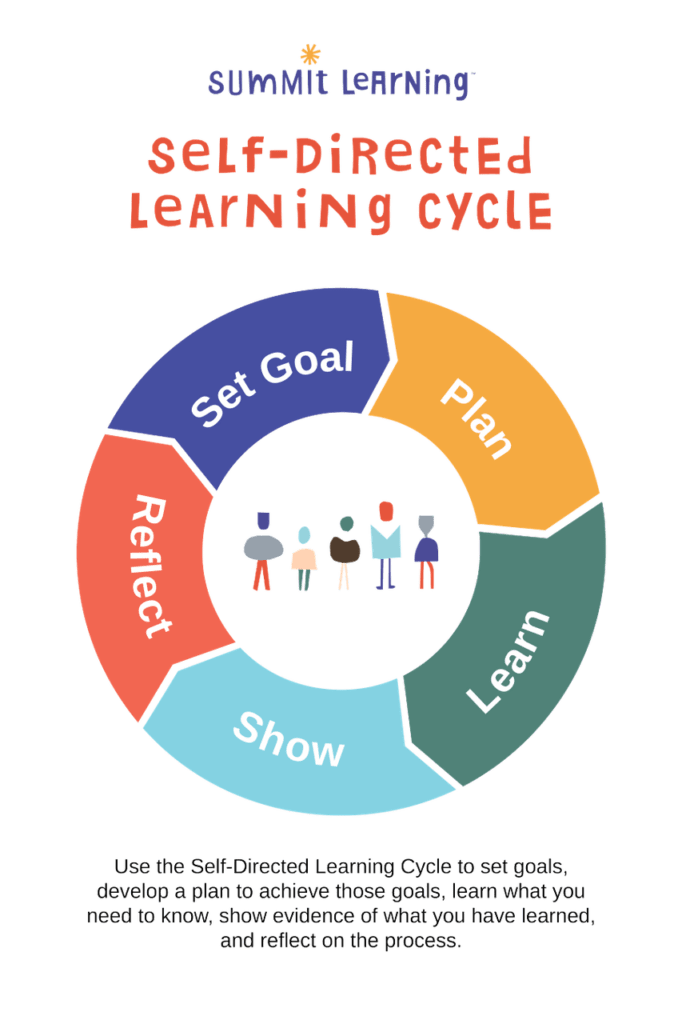
Self-directed learning is a powerful approach to education that empowers students to take control of their own learning journey. Unlike traditional classroom settings, self-directed learning allows individuals to set their own goals, choose what they want to learn, and determine the pace at which they progress.
One of the main advantages of self-directed learning is its flexibility. Students have the freedom to explore topics that genuinely interest them, deepening their understanding and enhancing their motivation. This personalized approach not only promotes a love for learning but also allows individuals to tailor their education to align with their unique interests and aspirations.
Another benefit is that self-directed learners develop essential skills such as critical thinking, problem-solving, and decision-making. They learn how to identify reliable resources, analyze information effectively, and synthesize knowledge independently. These skills are invaluable in today’s rapidly changing world where lifelong learning has become essential for personal growth and professional success.
Furthermore, self-directed learning nurtures autonomy and responsibility in students. By taking ownership of their education, they become active participants rather than passive recipients of knowledge. They learn how to manage time efficiently, set realistic goals, and overcome challenges on their own. This promotes independence while instilling a sense of accountability for one’s actions.
In addition to these individual benefits, self-directed learning also fosters collaboration among peers. Students engage in discussions and collaborate on projects based on mutual interests or shared goals. This collaborative environment enhances communication skills while stimulating creativity through diverse perspectives.
However, it’s important to note that implementing self-directed learning requires a supportive ecosystem comprising educators who serve as facilitators rather than lecturers. Teachers should guide students by providing resources and mentorship while allowing them autonomy over the process.
Self-directed learning may not be suitable for every student or every subject matter; however it offers an alternative approach that can complement traditional schooling methods or even serve as the foundation for alternative schooling models like homeschooling or unschooling.
In conclusion, self-directed learning empowers individuals to become lifelong learners, equipping them with essential skills for success in a rapidly changing world. By allowing students to take control of their education, this approach promotes autonomy, responsibility, and collaboration. It nurtures a love for learning while developing critical thinking and problem-solving abilities. As we continue to explore alternative approaches to education, self-directed learning stands out as a powerful tool that can revolutionize the way we learn and grow.
 Alternative Amie
Leave a comment