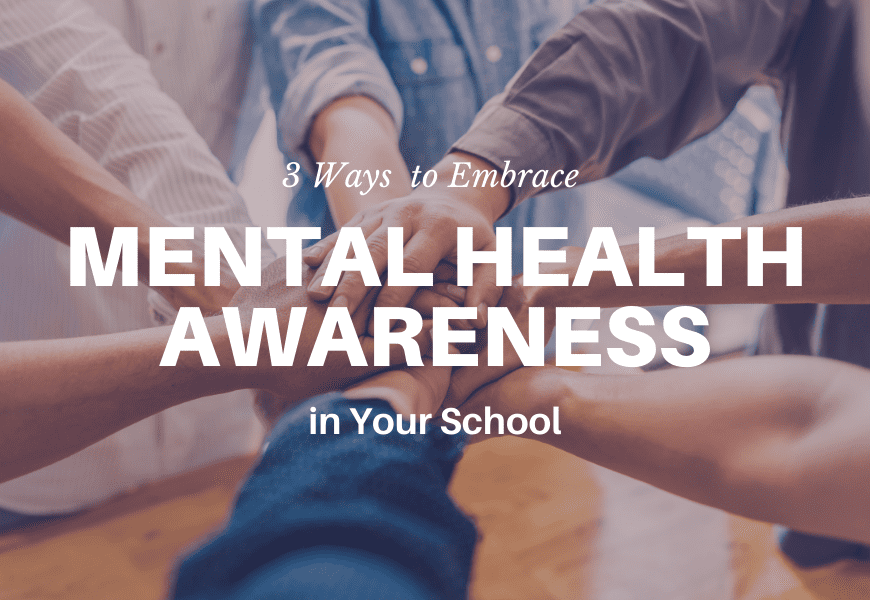
Psychology and Mental Health Awareness: A Case Study
Introduction:
In today’s fast-paced world, the significance of mental health cannot be overstated. As parents and educators, it is crucial to recognize the impact that psychological well-being has on a child’s overall development. Alternative schooling and education systems play a vital role in fostering mental health awareness among students. In this case study, we will explore how one alternative school successfully integrates psychology into its curriculum to promote self-awareness, empathy, and resilience.
Background:
The chosen alternative school prioritizes holistic learning that encompasses emotional, social, and academic growth. They believe that by addressing mental health concerns early on, they can empower students to navigate challenges more effectively and lead fulfilling lives.
Integrating Psychology into the Curriculum:
1. Emotional Intelligence Workshops:
The school conducts regular workshops focused on emotional intelligence (EI). These sessions help students understand their emotions better and develop healthy coping mechanisms. Through various activities such as role-playing exercises or group discussions, students learn how to identify emotions in themselves and others while developing empathy towards their peers’ experiences.
2. Mindfulness Practices:
Mindfulness practices are incorporated into daily routines at the school to encourage present-moment awareness and stress reduction. Students participate in guided meditation sessions or engage in mindful breathing exercises during designated periods throughout the day. By incorporating mindfulness practices into their routine, students enhance their ability to regulate emotions effectively.
3. Self-Reflection Journals:
Students are encouraged to maintain self-reflection journals where they can express their thoughts freely without judgment or evaluation from teachers or peers. This practice helps them process complex emotions privately while promoting self-awareness and introspection.
4. Peer Support Programs:
Recognizing the importance of peer support for mental well-being, the alternative school has implemented student-led mentorship programs where older students act as mentors for younger ones facing similar challenges. This initiative fosters a sense of community within the school environment while providing a safe space for students to seek guidance and support from their peers.
5. Collaborative Problem-Solving Sessions:
The school organizes collaborative problem-solving sessions, where students work together to find solutions to real-life scenarios they may encounter outside the classroom. By engaging in these discussions, students develop critical thinking skills and learn how to analyze situations from different perspectives, enhancing their ability to cope with challenges effectively.
Positive Outcomes:
1. Improved Academic Performance:
By addressing mental health concerns, the alternative school has observed a positive impact on academic performance among its students. Students who are emotionally well-adjusted tend to concentrate better in class and exhibit higher levels of motivation and engagement.
2. Enhanced Emotional Resilience:
Through the integration of psychology into their curriculum, the school has witnessed an increase in emotional resilience among its students. They are better equipped to bounce back from setbacks and navigate stressors effectively.
3. Strengthened Interpersonal Relationships:
Students at this alternative school demonstrate improved interpersonal relationships due to their enhanced understanding of emotions and empathy towards others’ experiences. This enables them to build healthier connections both within and outside the school setting.
Conclusion:
This case study highlights the importance of psychology and mental health awareness within alternative schooling systems. By integrating psychological concepts into the curriculum, schools can empower students with valuable life skills such as self-awareness, empathy, resilience, and effective problem-solving abilities. Ultimately, prioritizing mental health creates a nurturing learning environment that supports holistic growth while preparing students for success in all aspects of life beyond formal education.
 Alternative Amie
Leave a comment