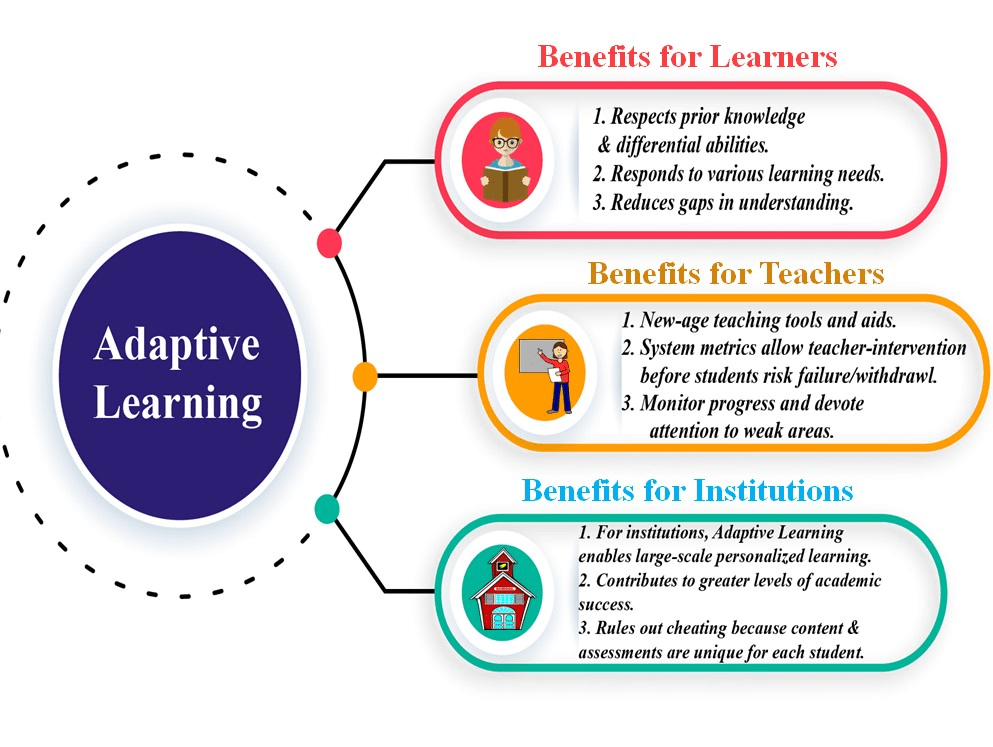
Adaptive learning technology has revolutionized the field of education, providing personalized and tailored learning experiences to students of all ages. This innovative approach uses data analytics and artificial intelligence to understand each learner’s strengths, weaknesses, and preferred learning style, allowing for customized instruction that maximizes their potential. In this article, we will explore 15 reasons why adaptive learning technology is transforming the way we educate.
1. Personalized Learning: Adaptive learning technology personalizes the educational journey by adapting content and pace according to individual needs. It considers a student’s prior knowledge and progress, identifying areas where additional support or challenges are necessary.
2. Improved Engagement: By presenting content in an interactive and dynamic manner, adaptive learning technology keeps learners engaged. It utilizes multimedia elements like videos, simulations, or gamified activities that capture students’ attention while enhancing comprehension.
3. Mastery-Based Learning: Unlike traditional classrooms where students advance based on time spent on a subject rather than mastery achieved, adaptive learning allows individuals to progress at their own pace. Learners can take more time to grasp difficult concepts while breezing through familiar ones.
4. Targeted Remediation: Adaptive systems quickly identify gaps in understanding and provide targeted remedial exercises or resources to address those specific areas of weakness. This ensures learners have a solid foundation before moving on to more complex topics.
5. Real-Time Feedback: Immediate feedback is crucial for effective learning. Adaptive platforms provide instant feedback after completing tasks or assessments so that students can revise their work right away while the concepts are still fresh in their minds.
6. Continuous Assessment: With adaptive learning technology, assessment becomes an ongoing process rather than just periodic exams or quizzes. The system continuously evaluates performance based on various metrics and adjusts accordingly for optimal growth.
7. Data-Driven Insights: These technologies generate vast amounts of data about student performance, enabling educators to gain valuable insights into individual progress as well as overall trends within a class or school setting.
8. Teacher Support: Adaptive learning technology supports teachers by providing real-time data on student performance and suggesting tailored interventions. Educators can use this information to guide their instruction and provide targeted support where it’s needed most.
9. Accessibility for All: Adaptive learning accommodates diverse learners, including those with special needs or different learning styles. It offers multiple representations of content, such as visual, auditory, or kinesthetic, making education more inclusive.
10. Flexibility: These technologies allow students to learn at any time and from anywhere with an internet connection. This flexibility is particularly useful for non-traditional learners like working professionals or homeschoolers who need a flexible schedule.
11. Motivation and Confidence Building: By offering personalized challenges that match individual capabilities, adaptive systems help build confidence in learners’ abilities while motivating them to continue their educational journey.
12. Cost-Effective Solution: Adaptive learning technology reduces the need for physical textbooks and other costly resources since much of the material can be accessed online. This makes education more affordable and accessible to a wider range of students.
13. Efficient Time Management: With adaptive systems handling content delivery and assessment, educators can focus on guiding students through challenging concepts rather than spending excessive time grading papers or preparing materials.
14. Lifelong Learning Opportunities: Adaptive learning technology promotes lifelong learning by allowing individuals to pursue educational goals beyond traditional schooling years without facing barriers related to age or location.
15. Continuous Improvement: As more data is collected over time from various users, these technologies become even better at adapting content according to individual preferences and optimizing the overall user experience based on collective insights.
In conclusion, adaptive learning technology has revolutionized education by personalizing instruction, improving engagement, providing targeted support, delivering real-time feedback, and promoting continuous improvement within the field of education. As these technologies continue advancing alongside our understanding of effective teaching practices, they hold immense potential in shaping the future of alternative schooling and education alike.
 Alternative Amie
Leave a comment