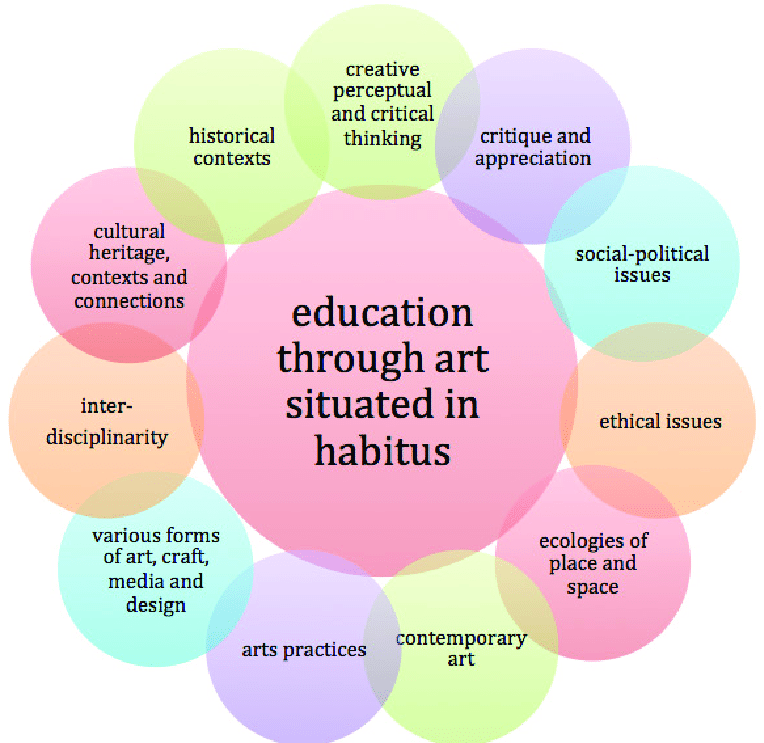
Art is a powerful tool that has the ability to engage, inspire, and educate students in alternative schooling and education settings. Whether it’s visual arts, performing arts, or literary arts, incorporating art into the curriculum can greatly enhance the learning experience for students of all ages. In this post, we will explore the various benefits of art education in alternative schooling and highlight some effective ways to incorporate art into the classroom.
One of the key advantages of integrating art into alternative schooling is its ability to foster creativity and self-expression. Art provides an outlet for students to express themselves freely without fear of judgment or criticism. It encourages them to think outside the box, explore new ideas, and take risks in their artistic endeavors. By allowing students to tap into their creative side, it helps develop critical thinking skills and nurtures a sense of individuality.
Moreover, art education promotes cultural awareness and appreciation among students. Through exposure to different forms of art from various cultures around the world, students gain a deeper understanding of diverse perspectives and traditions. This not only broadens their horizons but also fosters tolerance and respect for others’ beliefs and backgrounds.
Incorporating visual arts such as painting, drawing, sculpture-making or crafts can be an effective way to introduce creativity into alternative classrooms. These activities provide hands-on experiences that allow students to experiment with different materials while honing their fine motor skills. Additionally, engaging with visual arts enhances cognitive development by improving problem-solving abilities and spatial reasoning.
For instance, teachers can organize collaborative mural projects where each student contributes a piece towards creating a larger artwork representing a specific theme or concept they are studying. This not only encourages teamwork but also reinforces learning objectives in a visually appealing way.
Performing arts like music, theater or dance also play a significant role in alternative schooling environments by promoting self-confidence and communication skills among students. These disciplines encourage public speaking abilities as well as stage presence which help build resilience within young learners.
Music education, specifically, has been shown to have numerous benefits for students. Learning to play an instrument or sing in a choir can improve concentration, memory retention, and overall academic performance. Incorporating musical activities into the curriculum can be as simple as incorporating songs related to topics being studied or organizing a school band or choir.
Theater and drama classes are another effective way to incorporate performing arts into alternative schooling environments. Students can participate in improvisation exercises, role-playing scenarios from historical events, or even write and perform their own plays. These activities not only enhance creativity but also improve communication skills by encouraging students to express themselves confidently on stage.
Literary arts encompass reading and writing which are essential skills for any student’s development. Alternative schools can promote literacy through storytelling sessions that involve reading aloud various genres of literature such as fiction, poetry, or non-fiction.
Writing workshops offer opportunities for students to develop their written expression skills while exploring their imagination. Journaling exercises provide an outlet for self-reflection and emotional processing. Teachers can also encourage creative writing through short story competitions or poetry slams where students get the chance to share their work with peers.
Integrating technology into art education is another avenue worth exploring in alternative schooling settings. Digital art tools like graphic design software or video editing programs allow students to engage with visual arts using modern technology platforms they are familiar with outside the classroom. It provides them with valuable digital literacy skills that are increasingly relevant in today’s technologically driven world.
Furthermore, virtual reality (VR) technology offers immersive experiences that bring art forms like painting or sculpture-making alive in ways previously unimaginable within traditional classroom settings. Virtual museums enable students to explore famous artworks from around the world without leaving the confines of their school premises.
Art exhibitions and showcases serve as wonderful platforms for alternative schools to celebrate student achievements while fostering community engagement. These events provide opportunities for parents, teachers, and fellow students alike to appreciate the efforts and talents of young artists. They also serve as a means to raise awareness about alternative schooling approaches and the importance of incorporating art into education.
In conclusion, art education plays an integral role in alternative schooling and education by fostering creativity, self-expression, cultural awareness, and cognitive development among students. By integrating visual arts, performing arts, literary arts, and technology into the curriculum, educators can create enriching learning experiences that go beyond traditional academic subjects. These creative outlets not only enhance student engagement but also promote personal growth while preparing them for success in an ever-evolving world.

 Alternative Amie
Leave a reply to Ptah1o8 Cancel reply