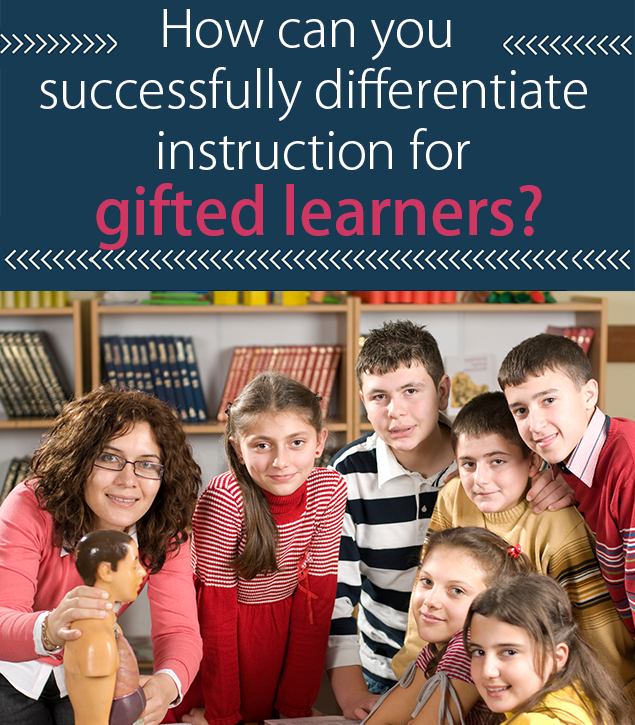
Advocacy for Gifted Learners’ Needs
Introduction:
Gifted learners possess exceptional abilities and talents that set them apart from their peers. These students have unique educational needs that, if not met, can lead to boredom, underachievement, and even emotional distress. Advocating for the needs of gifted learners is crucial to ensure they receive appropriate education and support. In this post, we will explore why advocacy for gifted learners is important, discuss some common challenges faced by these students, and provide strategies for effective advocacy.
1. Importance of Advocacy:
Advocacy plays a vital role in ensuring that the educational system recognizes and addresses the specific needs of gifted learners. By advocating for these students, parents, educators, and communities can foster an inclusive learning environment where gifted children are challenged and supported appropriately.
2. Common Challenges Faced by Gifted Learners:
Often misunderstood or overlooked in traditional classrooms, gifted learners face several challenges that hinder their academic growth:
a) Lack of Challenge: Many regular classroom settings fail to provide intellectually stimulating material at an appropriate pace for gifted learners.
b) Underachievement: When not sufficiently challenged academically or provided with opportunities to develop their talents fully, gifted students may become disengaged from learning or even underachieve.
c) Social Isolation: Gifted children may struggle to find intellectual peers within their school community due to small numbers or lack of specialized programs.
d) Emotional Needs: The intense emotional experiences often associated with being a gifted learner can be overwhelming without proper support systems in place.
3. Strategies for Effective Advocacy:
To effectively advocate for the needs of gifted learners:
a) Educate Yourself: Learn about characteristics associated with giftedness as well as local laws regarding identification procedures and programming options available in your school district.
b) Communicate Openly: Establish open lines of communication with teachers and administrators to discuss your child’s strengths, weaknesses, interests, and specific needs.
c) Seek Professional Support: Consult with professionals who specialize in gifted education, such as psychologists or educators who have experience working with gifted learners.
d) Collaborate with Other Parents: Join local or online support groups to connect with other parents of gifted children. Sharing experiences and resources can strengthen your advocacy efforts.
e) Request Individualized Education Plan (IEP): If needed, work with the school to develop an IEP that outlines appropriate accommodations and modifications for your child’s learning.
f) Promote Differentiation Strategies: Encourage teachers to implement differentiation strategies within the regular classroom, including compacting curriculum, accelerating learning, and providing enrichment opportunities.
g) Advocate for Gifted Programs: Advocate for dedicated programs that cater specifically to the needs of gifted learners within your school district. This may include pull-out programs, mentorships, or specialized classes.
h) Engage in Community Outreach: Raise awareness about the importance of catering to the needs of gifted learners by engaging in community outreach initiatives. Organize events or workshops that highlight their unique abilities and advocate for better educational provisions.
i) Stay Informed about Legislative Changes: Keep track of legislative changes related to education policy at both state and national levels. Be ready to voice concerns or support policies that impact gifted programming positively.
Conclusion:
Advocacy is crucial for ensuring that the unique needs of gifted learners are met effectively within our educational systems. By understanding common challenges faced by these students and employing effective advocacy strategies, we can create inclusive environments where they thrive academically and emotionally. Let us all work together towards a future where every student receives an education tailored to their individual strengths and talents.
 Alternative Amie
Leave a comment