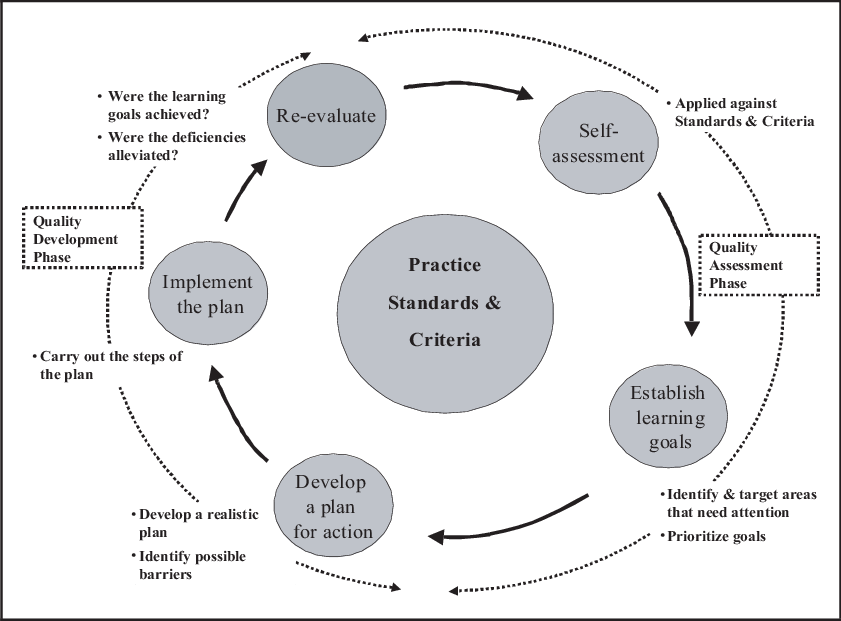
Self-directed learning is a powerful approach to education that empowers individuals to take control of their own learning journey. In this method, learners have the freedom to choose what they want to learn, how they want to learn it, and at what pace. This alternative style of education has gained popularity in recent years due to its flexibility and ability to cater to individual interests and needs.
One of the key benefits of self-directed learning is that it promotes autonomy and independence. By allowing students to direct their own learning, they become active participants in the process rather than passive recipients of information. This not only enhances their motivation but also fosters critical thinking skills as they are encouraged to question, explore, and discover knowledge on their own.
Another advantage is that self-directed learning allows for personalized education. Each individual has unique strengths, weaknesses, and interests. With this approach, learners can focus on areas that genuinely interest them or align with their career aspirations. They can delve deeper into subjects they are passionate about while spending less time on topics that do not resonate with them personally.
Self-directed learning also encourages creativity and innovation. When individuals have the freedom to explore different avenues of knowledge independently, they often come up with innovative ideas and solutions. This method nurtures problem-solving skills as learners encounter challenges along the way and find creative ways to overcome them.
Furthermore, self-directed learning helps individuals develop important life skills such as time management, organization, goal setting, and self-discipline. Since learners are responsible for managing their own schedules and progress, they naturally acquire these valuable skills which are crucial for success in any endeavor.
Critics argue that self-directed learning may lead to gaps in knowledge or lack of exposure to diverse perspectives. However, proponents counteract these concerns by emphasizing the role of mentors or facilitators who guide students through their educational journey without imposing rigid curricula or assessments.
In conclusion, self-directed learning offers a dynamic alternative approach to traditional education. It empowers individuals to take charge of their own learning, fosters autonomy and independence, promotes personalized education, enhances critical thinking and problem-solving skills, encourages creativity and innovation, and develops important life skills. With its many advantages, self-directed learning is a valuable option for those seeking an alternative pathway to education that aligns with their individual needs and interests.
 Alternative Amie
Leave a comment