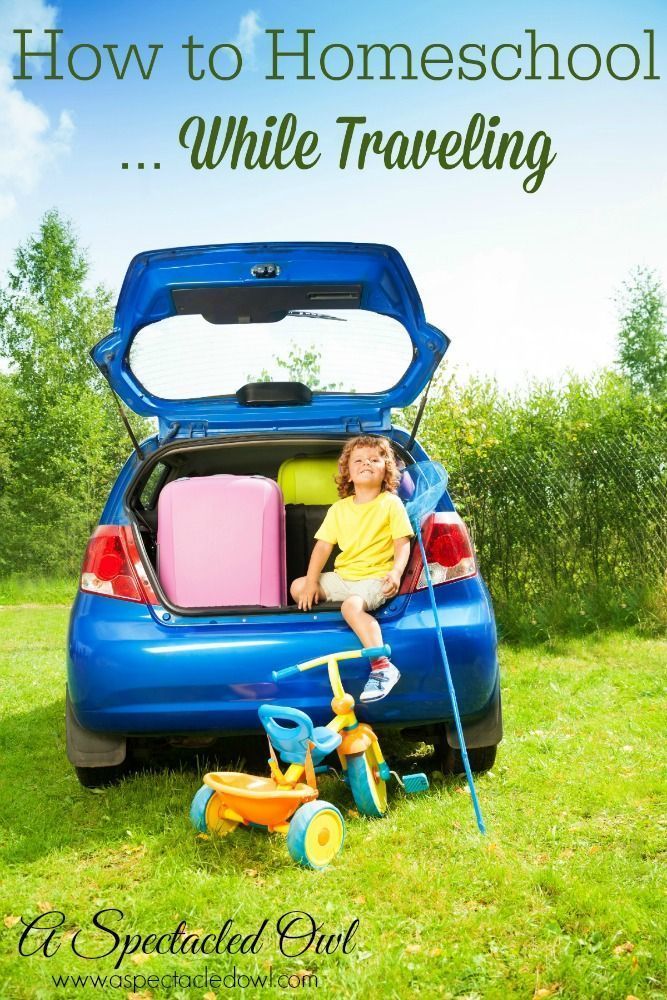
Roadschooling, also known as worldschooling or homeschooling on the road, is becoming increasingly popular among families seeking alternative education options. This unique approach allows parents to provide their children with a well-rounded education while traveling and exploring the world. However, roadschooling comes with its own set of challenges and considerations. In this article, we will discuss some tips for successful roadschooling that can help parents navigate this unconventional educational journey.
1. Plan Ahead: Before embarking on your roadschooling adventure, it’s crucial to have a well-thought-out plan in place. Start by setting clear educational goals and objectives for each child based on their age, grade level, and individual needs. Create a flexible curriculum that covers key subjects like math, science, language arts, history, and social studies.
2. Embrace Unconventional Learning Opportunities: One of the greatest advantages of roadschooling is the ability to learn from real-life experiences outside traditional classroom walls. Take advantage of opportunities to visit museums, historical sites, national parks, zoos, botanical gardens – all these places can serve as rich learning environments for your children.
3. Stay Connected: It’s important to stay connected with other roadschoolers or homeschoolers who are also traveling or living a similar lifestyle. Online communities and forums dedicated to alternative education can be invaluable sources of support and advice during your journey.
4. Utilize Technology: Technology has made it easier than ever before to access educational resources while on the road. Use online platforms such as Khan Academy or Coursera for virtual classes or tutorials in various subjects tailored to different grade levels.
5. Incorporate Local Culture into Lessons: As you travel from one place to another, make an effort to immerse yourselves in local culture by trying local cuisine or attending cultural events and festivals in each destination you visit. Encourage your children to engage with locals through language practice or participating in community service projects.
6. Keep a Flexible Schedule: One of the beauties of roadschooling is the ability to adapt your schedule to fit your family’s needs and interests. While some structure is essential, allowing for flexibility will enable you to take advantage of unexpected learning opportunities that may arise during your travels.
7. Document Your Journey: Encourage your children to keep travel journals or blogs where they can write about their experiences, observations, and reflections. This not only helps improve writing skills but also serves as a beautiful memento of their roadschooling adventure.
8. Prioritize Socialization: While on the road, it’s important for children to have social interactions with peers. Seek out local homeschool groups or join online communities where families organize meetups or activities in different locations. Engaging in group outings or field trips with other roadschoolers can provide valuable social connections for both parents and children.
9. Maintain Routine: Although flexibility is key in roadschooling, having a consistent routine can help create stability and structure for your children amidst constant change. Establish regular study times, meal times, and bedtime routines to maintain a sense of normalcy regardless of where you are.
10. Be Open-Minded: Roadschooling requires an open mind and willingness to embrace new perspectives and ideas that come from exploring diverse cultures and environments. Encourage your children to ask questions, challenge assumptions, and cultivate curiosity about the world around them.
11. Emphasize Life Skills: In addition to academic subjects, make sure you incorporate practical life skills into your curriculum – skills like budgeting money while traveling, navigating public transportation systems in different cities or countries, cooking local dishes using regional ingredients – all these experiences contribute towards holistic education.
12. Take Advantage of Online Resources: There are numerous online resources available specifically designed for homeschoolers or roadschoolers such as virtual tours of famous landmarks or historical sites; interactive educational games; language-learning apps; and educational YouTube channels. These resources can supplement your curriculum and make learning engaging and fun.
13. Foster Independence: Roadschooling provides an excellent opportunity for children to develop independence, self-motivation, and time-management skills. Encourage them to take responsibility for their own education by setting goals, tracking progress, and managing their study schedules.
14. Embrace the Unexpected: No matter how well you plan, unexpected situations will arise while roadschooling – from vehicle breakdowns to unforeseen weather conditions. Embracing these challenges as valuable learning experiences helps children develop adaptability, problem-solving skills, and resilience.
15. Enjoy the Journey: Finally, remember that roadschooling is not just about academics but also about creating unforgettable memories as a family. Take the time to savor each destination you visit together, explore nature’s wonders, try new things as a family unit – after all, these moments are what truly enriches your child’s education.
In conclusion, roadschooling can be a rewarding educational journey for families seeking alternative schooling options. By planning ahead, embracing unconventional learning opportunities, staying connected with other roadschoolers or homeschoolers online communities using technology effectively; incorporating local culture into lessons; keeping a flexible schedule while maintaining routines; prioritizing socialization; emphasizing life skills; taking advantage of online resources fostering independence embracing the unexpected enjoying the journey – parents can create a successful roadschooling experience that nurtures their children’s intellectual curiosity while providing them with unique life experiences beyond traditional classroom settings.
 Alternative Amie
Leave a comment