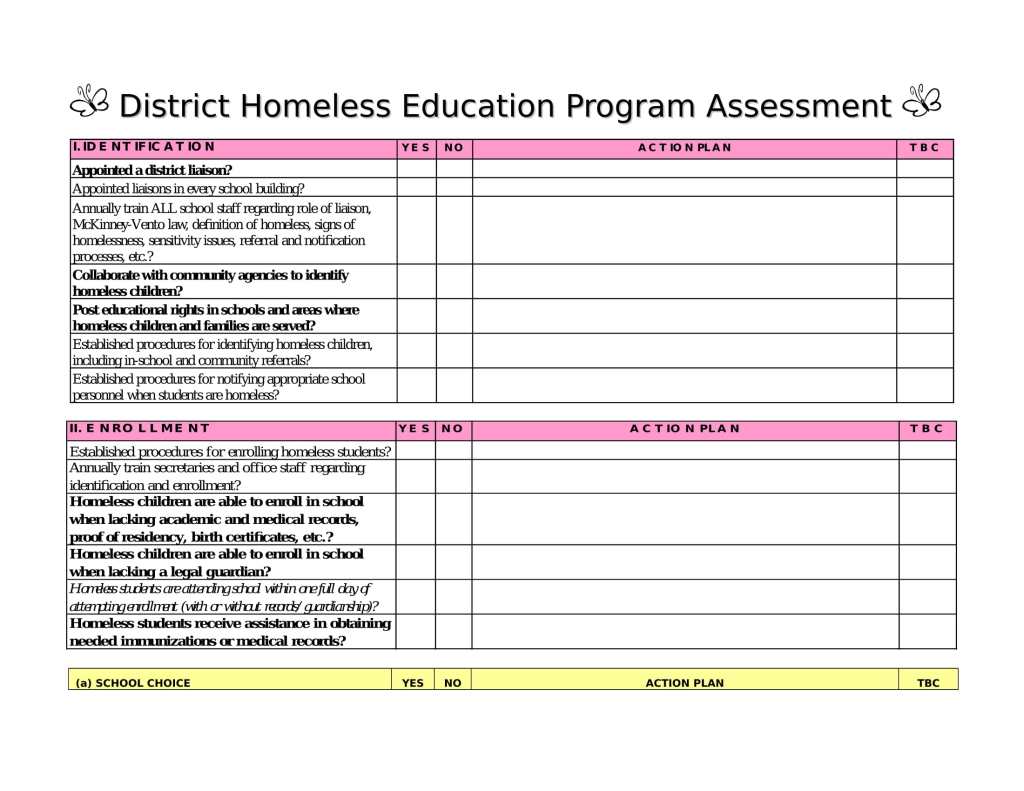
Community Needs Assessment: Understanding the Importance of Alternative Schooling and Education
In order to provide effective alternative schooling and education options, it is crucial to conduct a thorough community needs assessment. This process enables educators, policymakers, and stakeholders to gain valuable insight into the specific needs and challenges faced by their local community.
A comprehensive needs assessment entails gathering data through surveys, interviews, focus groups, and observations. By engaging with various community members such as parents, students, teachers, and community leaders, a holistic understanding of the educational landscape can be obtained.
The primary goal of this assessment is to identify gaps in traditional educational systems that may not effectively serve all students. It helps determine what resources are lacking or inadequate in meeting diverse learning styles, special needs requirements, or socio-economic disparities.
Furthermore, conducting a community needs assessment allows for the identification of potential barriers that hinder equal access to quality education. These barriers could include transportation issues, limited extracurricular activities or vocational training opportunities.
By analyzing the collected data from the assessment process carefully, alternative schooling programs can be developed or improved upon based on identified gaps and challenges. For instance, if there is a lack of affordable after-school programs for low-income families in the area under review; an alternative school might prioritize offering extended hours at little to no cost.
Moreover,a successful needs assessment also involves collaborating with other organizations within the community who share similar goals. This cooperation helps create synergy between different stakeholders working towards improving education outcomes for all learners.
In conclusion,the importance of conducting a comprehensive community needs assessment cannot be overstated when it comes to developing effective alternative schooling and education options. Only by understanding the unique challenges faced by a local community can we tailor educational approaches that empower every student regardless of their background or circumstances.
 Alternative Amie
Leave a comment