Neurodiversity and Self-Advocacy: Embracing Differences in Alternative Education
Introduction:
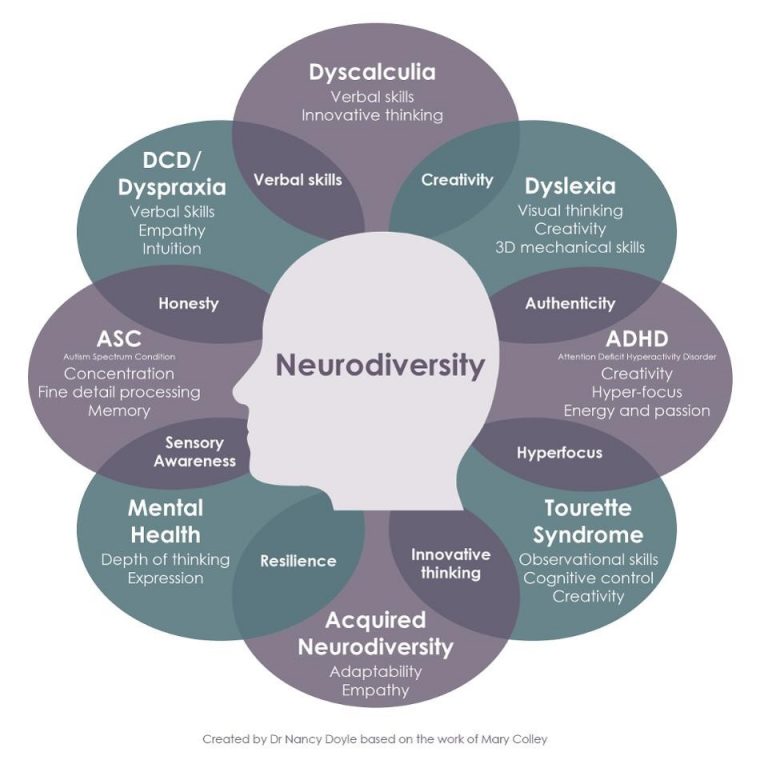
In today’s society, there is a growing recognition that individuals possess unique strengths, abilities, and ways of thinking. This concept, known as neurodiversity, celebrates the diversity of human minds and challenges traditional notions of what is considered “normal.” For students who fall under the umbrella of neurodiversity – such as those with autism spectrum disorder (ASD), attention deficit hyperactivity disorder (ADHD), dyslexia, or other learning differences – self-advocacy becomes crucial to navigating alternative education settings successfully. In this article, we will explore the concepts of neurodiversity and self-advocacy and discuss how they can be integrated into alternative schooling environments.
Understanding Neurodiversity:
Neurodiversity proposes that neurological differences are simply variations within the human population rather than deficits or disorders that need to be fixed. It acknowledges that each individual has a unique cognitive profile with its own set of strengths and challenges. By embracing this perspective, educators can create inclusive learning spaces where every student feels valued for their contributions.
Supporting Neurodiverse Students in Alternative Education:
Alternative education approaches often prioritize personalized learning experiences tailored to meet individual needs. Such approaches can provide an ideal environment for supporting neurodiverse students by accommodating different learning styles while fostering a sense of belonging.
1. Promoting Awareness:
It is essential for educators in alternative schools to foster an understanding among students about neurodiversity and promote empathy towards their peers with diverse cognitive profiles. Organizing workshops or inviting guest speakers who share their personal experiences can help raise awareness about various neurotypes.
2. Individualized Learning Plans:
Developing individualized learning plans (ILPs) allows educators to tailor instruction based on a student’s specific strengths and challenges. ILPs take into account not only academic goals but also social-emotional needs and self-advocacy skills. These plans empower students to take ownership of their education, fostering confidence in their abilities.
3. Flexibility and Accommodations:
Alternative schools should strive to create an environment that embraces flexibility and accommodates diverse learning needs. This may involve providing assistive technologies, offering alternative assessment methods, or allowing for sensory breaks during the school day. By making these accommodations readily available, neurodiverse students can fully participate in the learning process without feeling overwhelmed or excluded.
4. Peer Support Networks:
Establishing peer support networks within alternative schooling environments can provide invaluable social and emotional support for neurodiverse students. These networks can help create a sense of community where students feel understood, accepted, and supported by their peers.
5. Educator Training:
Equipping educators with the knowledge and tools to support neurodiverse students is crucial for creating inclusive classrooms. Professional development programs that focus on understanding different cognitive profiles, implementing effective teaching strategies tailored to individual needs, and fostering self-advocacy skills are essential components of supporting neurodiversity in alternative education settings.
The Importance of Self-Advocacy:
Self-advocacy plays a pivotal role in empowering neurodiverse individuals to express their needs effectively while actively participating in decision-making processes regarding their education. In alternative education settings that value student agency, self-advocacy becomes even more critical.
1. Building Self-Awareness:
Developing self-awareness is an essential first step towards self-advocacy. Neurodiverse individuals need opportunities to understand their own strengths, challenges, learning preferences, and how they relate to others socially.
2. Developing Communication Skills:
Effective communication is key when it comes to advocating for oneself in any setting – including the classroom environment. Alternative schools should prioritize teaching communication skills such as assertiveness training so that students feel confident expressing their needs clearly and respectfully.
3. Encouraging Self-Reflection:
Alternative education environments can provide spaces for self-reflection, allowing students to identify the specific accommodations or support they require to succeed academically and emotionally. This process helps students take an active role in their own learning journey.
4. Cultivating Problem-Solving Skills:
Problem-solving skills are essential for self-advocacy, as they enable neurodiverse individuals to find creative solutions when faced with challenges. Alternative schools should incorporate activities that encourage critical thinking, flexibility, and problem-solving into their curriculum.
5. Collaborating with Supportive Adults:
Educators, parents/guardians, and other supportive adults play a crucial role in fostering self-advocacy skills among neurodiverse students. By working collaboratively with these adults, students can gain guidance and support while building confidence in advocating for themselves.
Conclusion:
Neurodiversity is a valuable perspective that promotes inclusivity and celebrates the unique strengths of every individual within alternative education settings. By implementing strategies that support neurodiverse students and nurturing self-advocacy skills, alternative schools can create learning environments where all learners thrive. Embracing the principles of neurodiversity not only benefits those who fall under its umbrella but also fosters a more inclusive society that values diversity in all its forms.
 Alternative Amie
Leave a comment