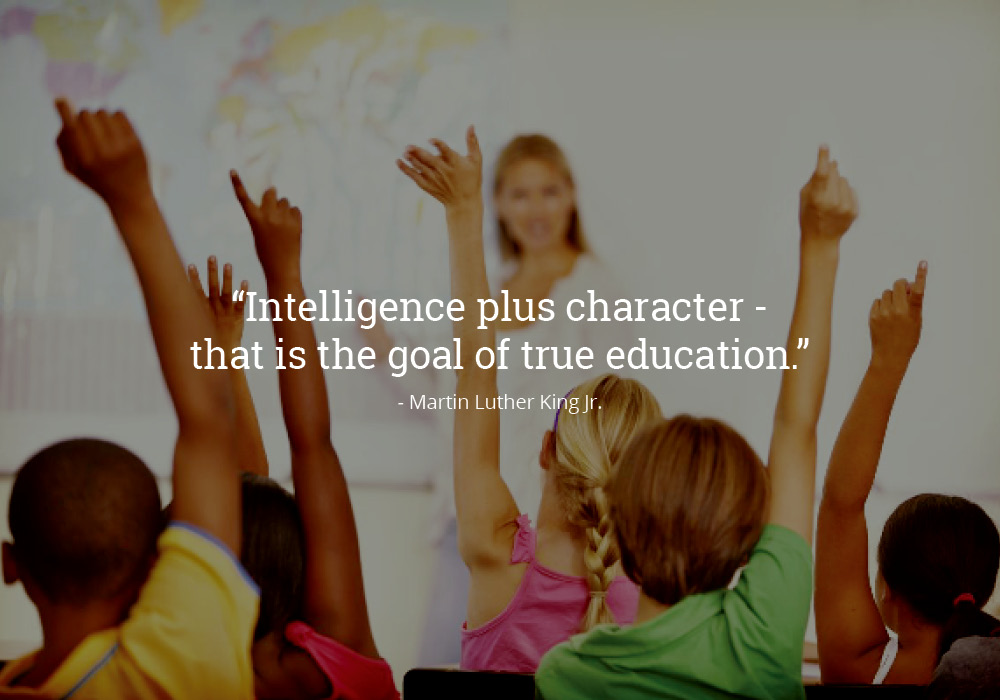
Empowering students to take ownership of their education through self-direction is a crucial aspect of alternative schooling and education. By fostering a sense of independence and responsibility, students not only become active participants in their learning journey but also develop valuable skills that will benefit them throughout their lives.
One way to encourage self-direction is by giving students the freedom to choose what they want to learn. Allowing them to explore topics that truly interest them promotes intrinsic motivation and a genuine desire to learn. This can be achieved through project-based learning or personalized learning plans, where students have the opportunity to delve deep into subjects that align with their passions.
Another important aspect is teaching students how to set goals and create action plans. By helping them identify their strengths, weaknesses, and areas for improvement, educators can guide students in setting realistic yet challenging goals for themselves. This process empowers students as they take control of their own educational journey and actively work towards achieving these goals.
Furthermore, providing opportunities for self-reflection enables students to assess their progress, identify areas where they need additional support or resources, and make adjustments accordingly. Self-assessment encourages critical thinking skills and fosters a growth mindset among learners.
Finally, it’s essential for educators to act as facilitators rather than sole providers of knowledge. Teachers should support student-led inquiry by creating an environment that encourages questioning, exploration, collaboration, and independent thinking. They should also offer guidance when needed while allowing space for autonomy.
In conclusion, empowering students through self-direction allows them to become active participants in their education. By promoting choice-based learning experiences, goal-setting skills development, self-reflection opportunities, and teacher facilitation instead of direct instruction alone; we equip our young learners with the necessary tools for success in both academic pursuits and future endeavors beyond the classroom walls.

 Alternative Amie
Leave a reply to Bronwyn Jacobs Cancel reply