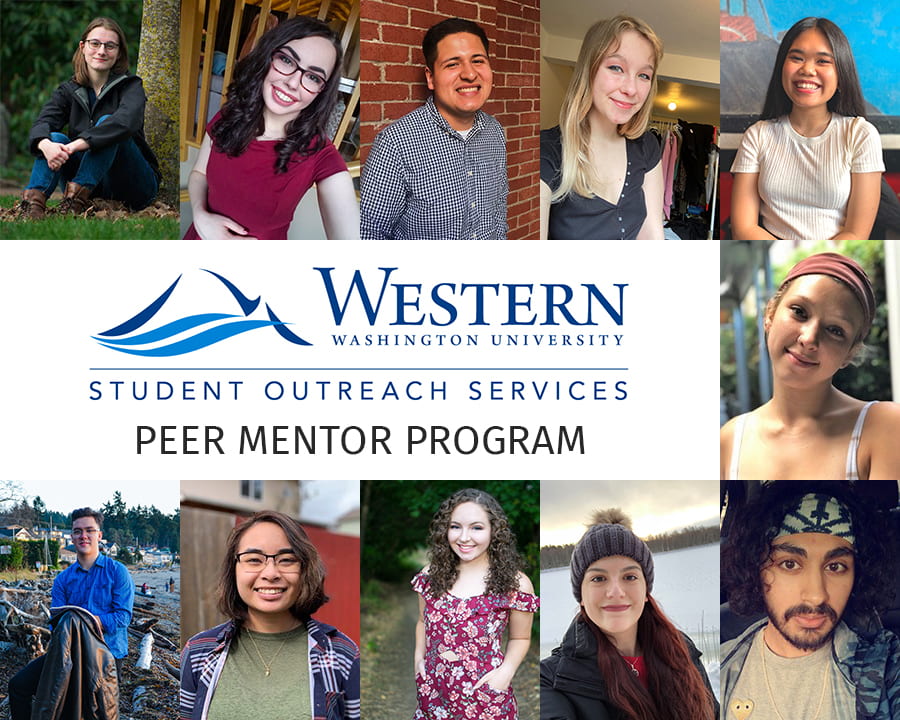
Peer Mentoring Programs for Neurodiverse Students: Unlocking Potential and Fostering Inclusion
Introduction
In recent years, there has been a growing recognition of the importance of embracing neurodiversity in educational settings. Neurodiverse students, who may have conditions such as autism spectrum disorder (ASD), attention deficit hyperactivity disorder (ADHD), or specific learning disabilities, possess unique strengths and perspectives that can enrich the learning experience for all students. However, these individuals often face challenges that can hinder their academic and social progress.
To address these challenges and create an inclusive environment where neurodiverse students can thrive, many schools have implemented peer mentoring programs. These programs pair neurotypical students with their neurodivergent counterparts to provide support, guidance, and friendship. Peer mentoring not only benefits the mentees by enhancing their academic skills but also fosters empathy, understanding, and acceptance among all participants.
Benefits of Peer Mentoring
1. Academic Support: One of the primary goals of peer mentoring is to improve academic performance. Neurodiverse students may struggle with certain subjects or require additional assistance to stay organized and manage workload effectively. By working closely with a peer mentor who understands their unique needs, they receive personalized support tailored to their strengths and weaknesses. This individualized attention helps boost confidence levels while improving overall academic outcomes.
2. Social Skills Development: For many neurodiverse students, social interactions can be challenging due to difficulties in communication or understanding social cues. A peer mentor serves as a friend who encourages positive social engagement through shared activities such as group projects or lunchtime conversations. The mentor models appropriate behaviors while offering gentle guidance on navigating social situations effectively.
3. Emotional Well-being: Neurodiverse individuals often experience heightened levels of anxiety or stress due to feeling different from their peers or struggling academically/socially at times. Having a trusted mentor provides emotional support by offering a listening ear, understanding, and validation. This sense of belonging and acceptance can significantly contribute to the mentee’s mental well-being.
4. Self-Advocacy Skills: Empowering neurodiverse students to advocate for themselves is crucial for their long-term success. Through peer mentoring programs, mentees learn self-advocacy skills such as requesting accommodations, communicating their needs effectively, and seeking help when required. These skills are transferable beyond the educational setting and prepare them for future endeavors.
Implementation Strategies
1. Training and Education: To ensure successful peer mentoring relationships, it is essential to provide comprehensive training for both mentors and mentees. Mentor training should focus on developing empathy, understanding neurodiverse perspectives, effective communication strategies, and techniques to address academic challenges sensitively. Mentee training should educate them about the purpose of the program, how to seek support from mentors effectively, and promote self-confidence.
2. Matching Process: Careful consideration must be given during the matching process between mentors and mentees. Factors such as shared interests or complementary personalities can foster stronger connections between participants while facilitating effective communication.
3. Regular Check-ins: Establishing a consistent structure of check-ins between mentors and mentees helps maintain accountability while providing an opportunity to address any concerns or challenges that arise during the mentoring relationship.
4. Evaluation and Feedback: Continuous evaluation of the peer mentoring program ensures its effectiveness in meeting the specific needs of neurodiverse students at your institution. Collecting feedback from all participants allows for ongoing improvement by identifying areas where additional support may be required or modifications need implementation.
Success Stories
Peer mentoring programs have yielded remarkable outcomes across various educational settings worldwide:
1. Improved Academic Performance: A study conducted by Stanford University found that neurodiverse students involved in peer mentorship demonstrated improved test scores compared to those without access to such programs.
2. Enhanced Social Skills: Many schools reported significant improvements in the social skills of neurodiverse students participating in peer mentoring programs. Students who were previously isolated or struggled with forming friendships experienced increased social engagement and improved relationships with peers.
3. Higher Self-esteem: Neurodiverse students often face feelings of self-doubt or low self-esteem due to their challenges. Peer mentors provide encouragement, validation, and positive reinforcement, leading to increased self-confidence among mentees.
Conclusion
Peer mentoring programs have proven instrumental in creating inclusive environments where neurodiverse students can thrive academically, socially, and emotionally. By harnessing the power of empathy, understanding, and support from their neurotypical peers, these individuals are empowered to reach their full potential while fostering a culture of acceptance and inclusion within educational institutions. Implementing peer mentoring programs is not just an investment in individual students but also a step towards building a more inclusive society that values diversity in all its forms.

 Alternative Amie
Leave a reply to Bronwyn Jacobs Cancel reply