Benefits of Flexible Seating in Alternative Schooling and Education
In recent years, traditional classroom setups have given way to more innovative approaches that aim to enhance student engagement and learning. One such approach gaining popularity is the use of flexible seating arrangements. Unlike the typical rows of desks, flexible seating allows students to choose where they sit, providing them with a sense of autonomy and ownership over their learning environment. This article will explore some benefits of flexible seating in alternative schooling and education settings.
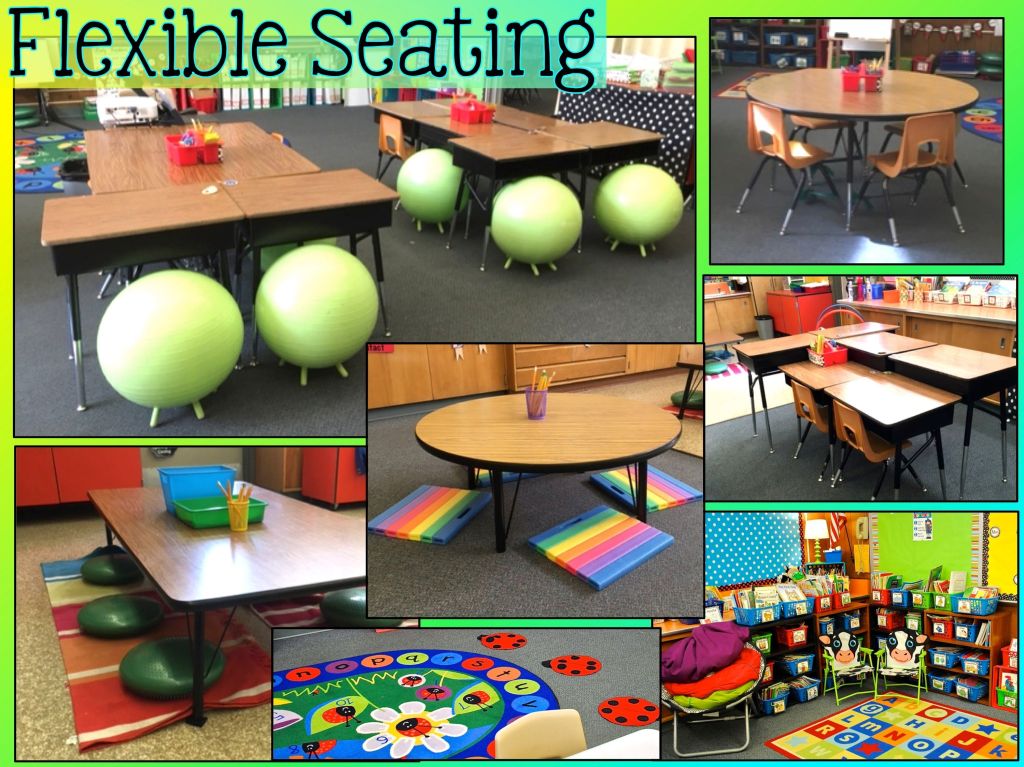
1. Increased Engagement: Flexible seating promotes active learning by allowing students to select a seat that best suits their needs and preferences. Whether it’s sitting on a bean bag chair, standing at a tall table, or working on a floor cushion, students are encouraged to find their most comfortable position for focused work. By offering choices, teachers empower students to take charge of their own learning experience, leading to increased engagement and motivation.
2. Improved Collaboration: Traditional classroom setups often hinder collaboration due to fixed desk arrangements that discourage interaction between peers. With flexible seating options like group tables or floor mats, students are encouraged to work together more easily. This arrangement fosters communication skills, teamwork, and problem-solving abilities as they learn from one another’s perspectives.
3. Enhanced Comfort: Sitting for long periods can be uncomfortable for many students—especially those who struggle with attention or sensory issues—and this discomfort can impact concentration levels negatively. Flexible seating provides various ergonomic options that cater to individual needs while promoting good posture and reducing physical strain during extended periods of study.
4. Personalized Learning Spaces: Every student has unique preferences when it comes to how they learn best; some may prefer quiet corners while others thrive in bustling environments with background noise. Flexible seating allows each student to create an ideal workspace tailored specifically for them—a place where they feel comfortable exploring ideas freely without distractions.
5. Increased Focus: By giving learners agency over their choice of seat location within the classroom setting, flexible seating can help reduce restlessness and fidgeting. This, in turn, enhances concentration levels and allows students to better focus on the task at hand.
6. Adaptability: Flexible seating arrangements are highly adaptable and can easily accommodate different teaching methods and activities. Whether it’s a whole-class discussion or small group work, teachers can rearrange the furniture quickly to suit the needs of each activity, making the learning environment dynamic and versatile.
7. Improved Classroom Management: Contrary to popular belief, introducing flexible seating does not lead to chaos or lack of discipline. In fact, it empowers students to take responsibility for their actions as they learn how to make appropriate choices for themselves and respect others’ personal space within the classroom setting.
In conclusion, flexible seating offers numerous benefits in alternative schooling and education settings by promoting engagement, collaboration, comfort, personalized learning spaces, focus improvement, adaptability, and enhanced classroom management. As educators continue to explore innovative approaches that cater to individual student needs within diverse learning environments, incorporating flexible seating could prove instrumental in creating a more inclusive educational experience that fosters student growth and success.
 Alternative Amie
Leave a comment