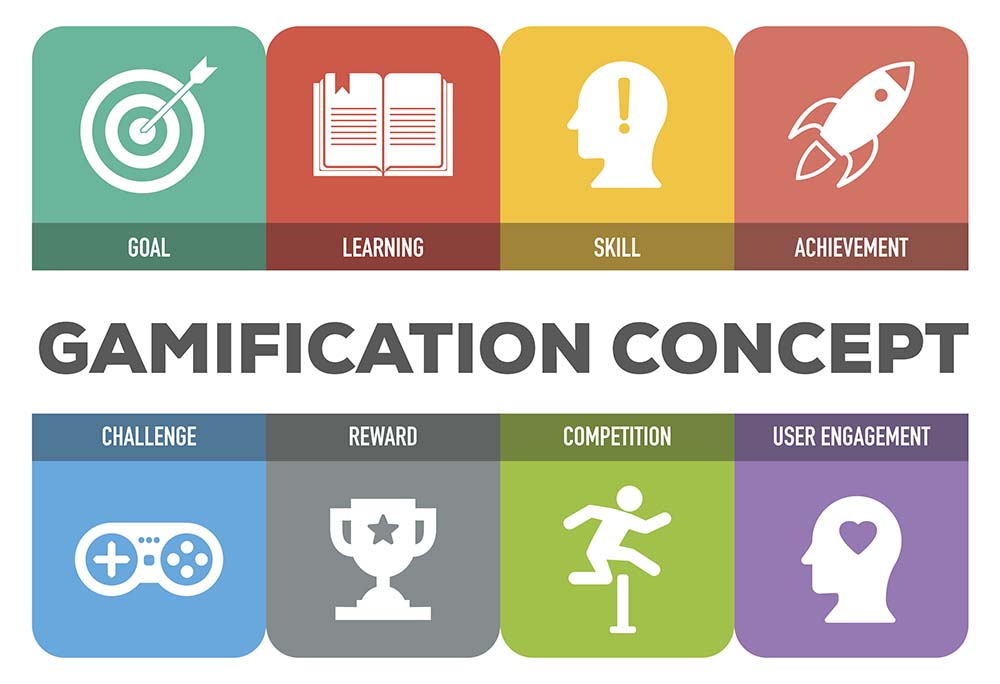
Are you tired of the traditional education system that fails to engage students and make learning fun? Look no further than gamification! Gamification is a powerful tool that has been gaining popularity in alternative schooling and education. By incorporating elements of games into the learning process, educators can create an interactive and immersive experience for students. In this post, we will explore how gamification can transform education and why it is essential in alternative schooling.
1. Increased Engagement: One of the primary benefits of gamification is its ability to capture students’ attention and keep them engaged throughout the learning process. Games are inherently captivating, as they provide immediate feedback, rewards, challenges, and clear objectives. This engagement translates into higher motivation levels among students, making them more willing to participate actively in their own education.
👉 Check it out: Shop Tactical Flashlight on Amazon
2. Personalized Learning: Every student learns at their own pace and has unique strengths and weaknesses. Traditional teaching methods often fail to accommodate individual needs adequately. However, with gamification techniques such as adaptive learning algorithms or leveling systems, educators can tailor content according to each student’s abilities and preferences. This personalized approach ensures that learners stay challenged without feeling overwhelmed or bored.
👉 Check it out: Shop Hiking Boots on Amazon
3. Collaboration & Social Skills: Many games encourage collaboration by fostering teamwork or competition among players. Similarly, educational gamification allows students to work together towards common goals while developing valuable social skills like communication, problem-solving, negotiation, and leadership abilities. Through multiplayer games or group activities designed around educational concepts, students learn how to collaborate effectively – a crucial skill in today’s interconnected world.
4. Real-world Application: Gamified learning experiences often simulate real-life scenarios where students can apply theoretical knowledge practically. For example, a history game might require players to make decisions based on historical events or solve puzzles related to historical figures’ lives. By connecting abstract concepts with practical applications through gaming platforms or simulations, learners gain a deeper understanding of subject matter relevance beyond textbooks.
5.Encouraging Creativity: Gamification promotes creativity by allowing students to explore different solutions, experiment with ideas, and think outside the box. Games often provide players with multiple paths to victory or encourage them to find innovative strategies. In an educational setting, this approach encourages critical thinking and problem-solving skills while fostering a love for learning through creative expression.
In conclusion, gamification offers a transformative approach to education in alternative schooling settings. By incorporating game elements into the learning process, educators can increase student engagement, personalize learning experiences, foster collaboration and social skills, enable real-world application of knowledge, and encourage creativity. As more schools embrace gamified learning techniques, we can expect to see a significant shift towards more engaging and effective educational practices that cater better to the needs of individual learners.
🛒 Recommended Products
As an Amazon Associate, we earn from qualifying purchases.
Disclosure: This post contains Amazon affiliate links. As an Amazon Associate, we earn from qualifying purchases at no additional cost to you.
 Alternative Amie
Leave a comment